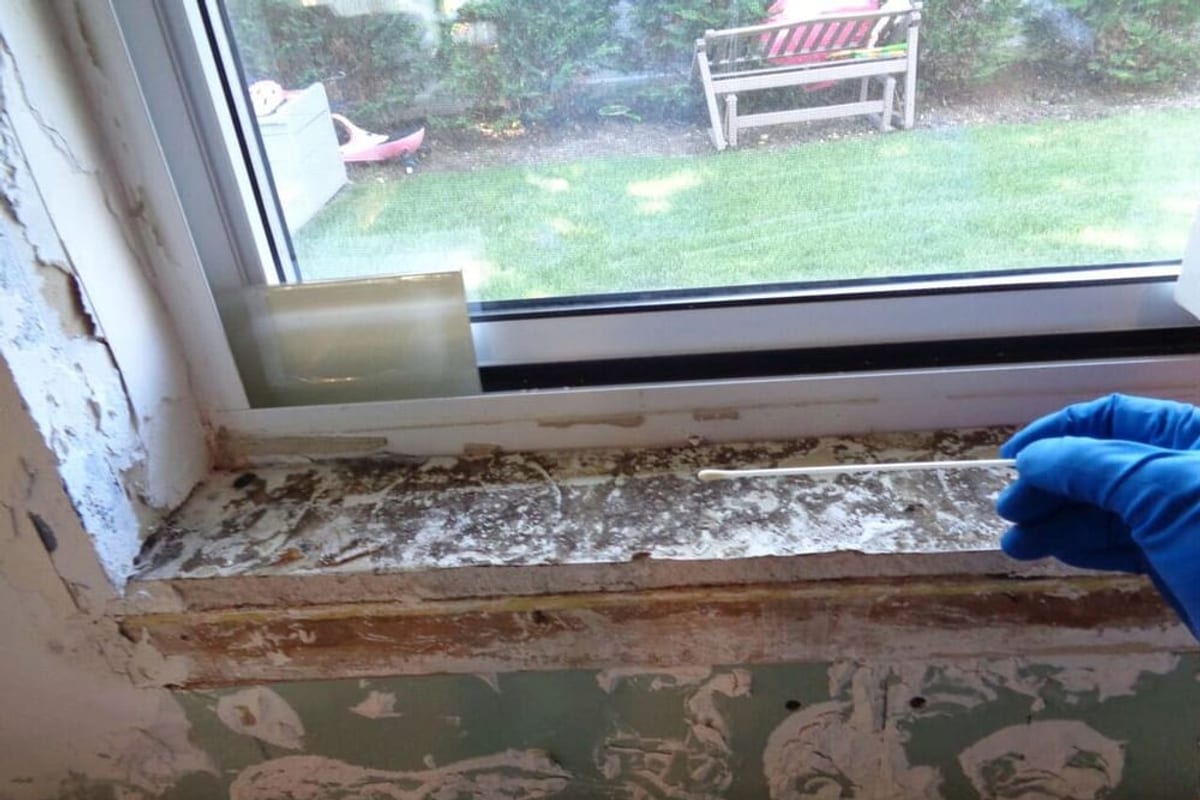
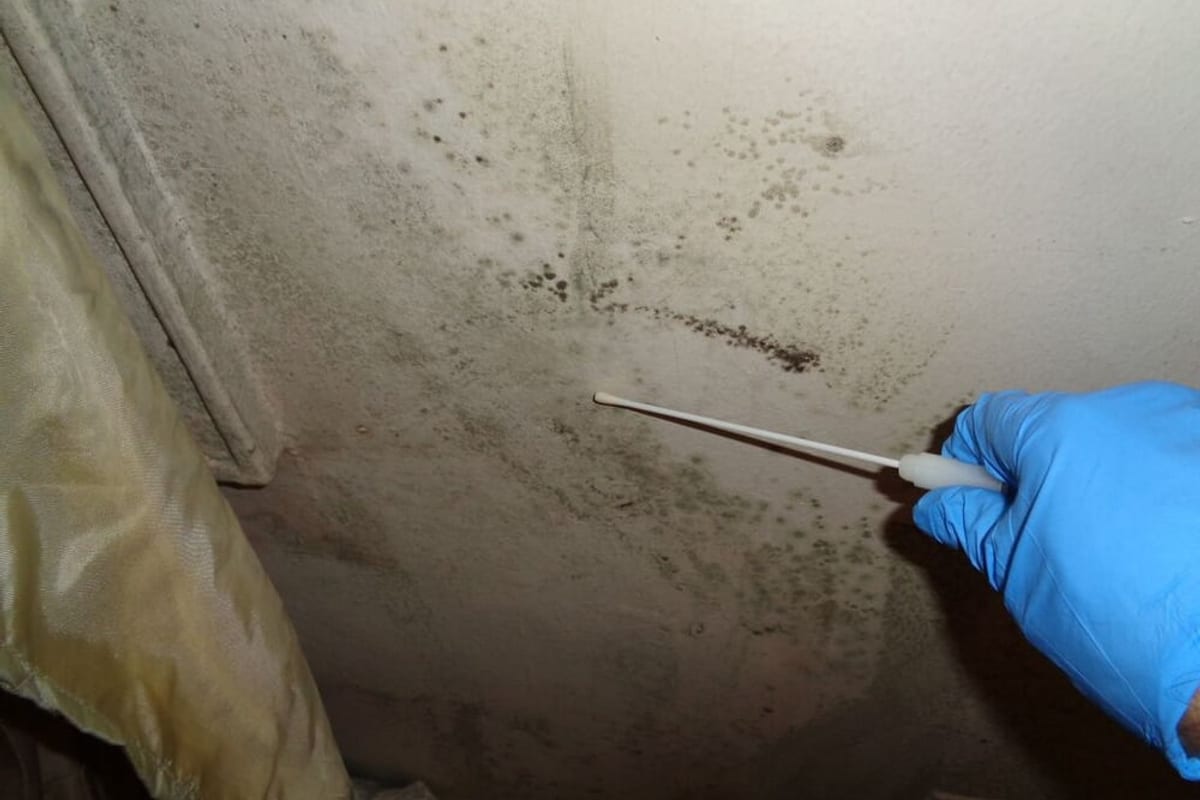
Air Sampling vs. Surface Sampling for Mold: What Each Test Can and Cannot Show
How mold air samples, tape lifts, swabs and bulk samples work, what each can and cannot prove, why outdoor controls matter, and when to skip testing.
Read the guide →Plain answers from Gettysburg Mold Remediation Pros for homeowners in Gettysburg, PA 17325: what mold remediation costs, why older stone and block basements stay damp, how to handle black mold, and what to do in the first 48 hours after water damage. Based on EPA guidance and the IICRC S520 standard.
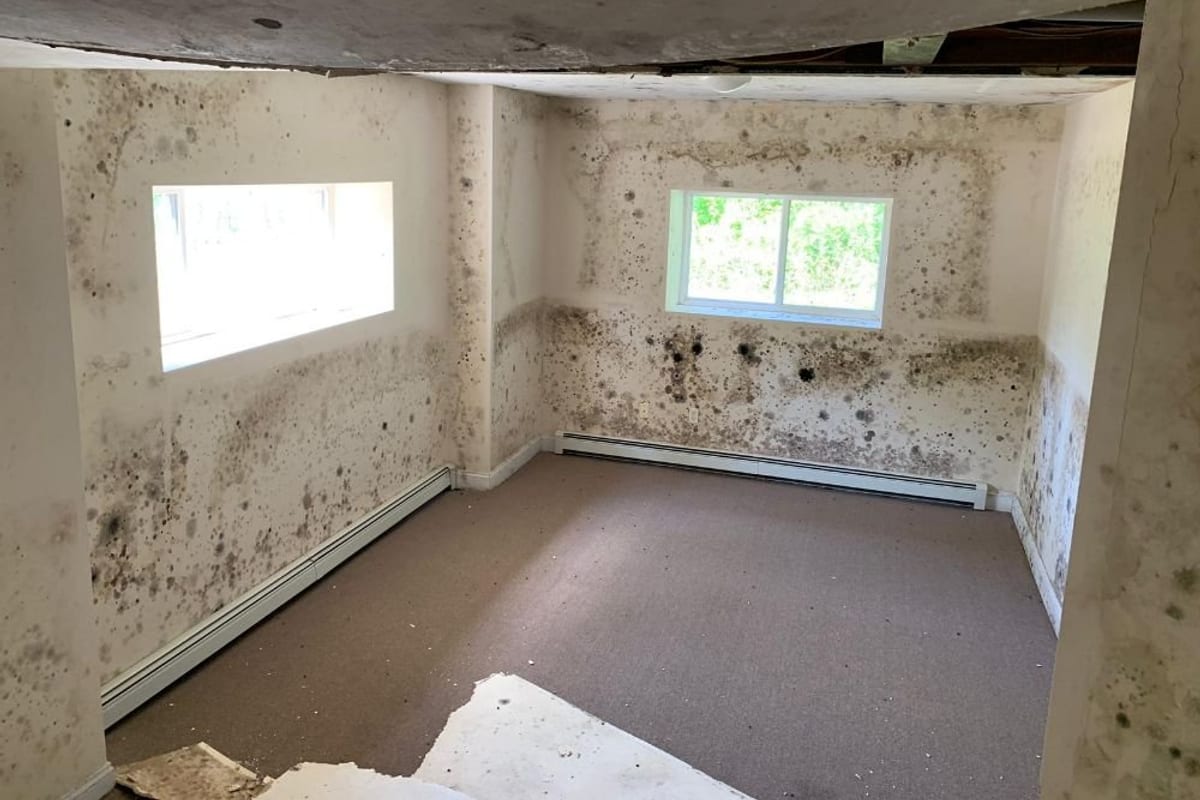
How mold air samples, tape lifts, swabs and bulk samples work, what each can and cannot prove, why outdoor controls matter, and when to skip testing.
Read the guide →
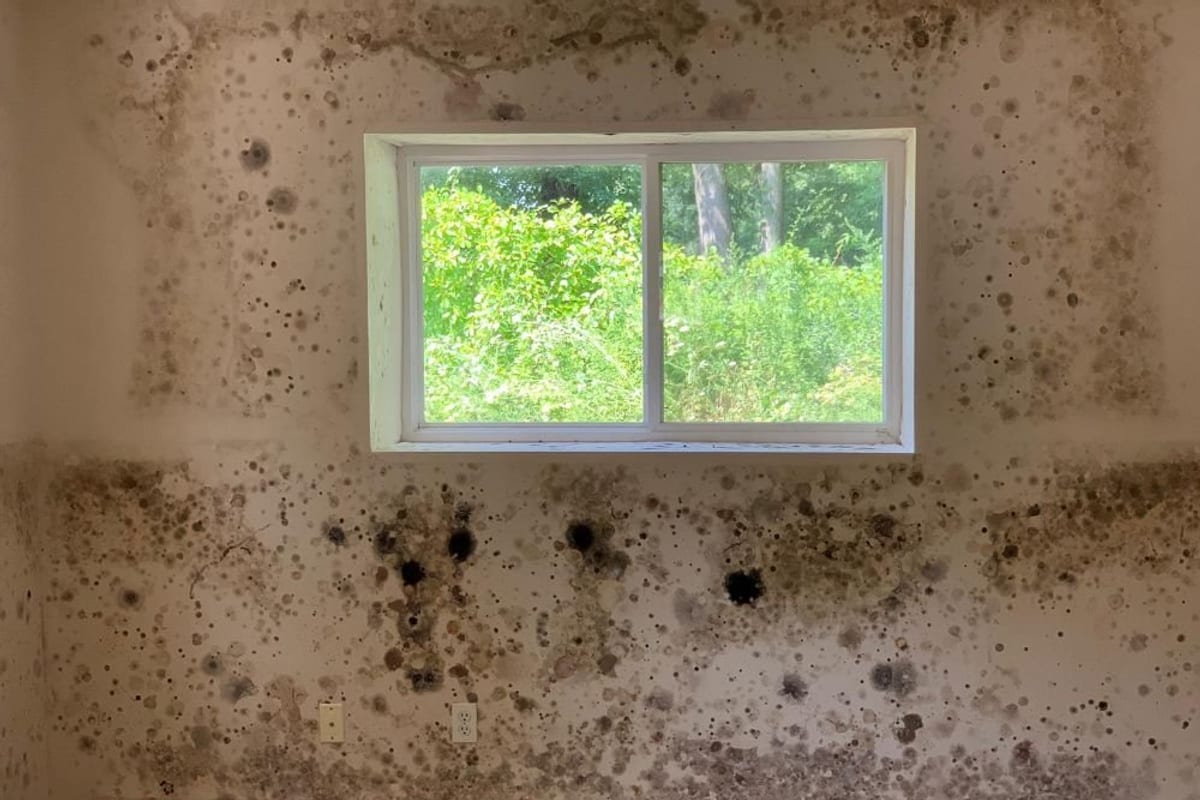
How to size a basement dehumidifier in pints per day, why the 2019 rating change matters, drain options that run hands-free, and the 30-50% humidity target.
Read the guide →
Why a bathroom fan venting into the attic grows mold on roof sheathing, how to size the fan in CFM using HVI guidance, and how to duct it to the outside.
Read the guide →
Nine common black mold myths checked against CDC and EPA guidance: what Stachybotrys is, what color tells you, whether testing helps, and real health risks.
Read the guide →
Thinking of buying a Pennsylvania home with mold? Use the inspection contingency, ask the right questions, read old-home warning signs, and negotiate repairs.
Read the guide →
Why mold returns after remediation, the 5 most common reasons, a monthly checklist to catch regrowth early, and what to do if the same spot turns moldy again.
Read the guide →
Whether you can stay home during mold remediation depends on containment, negative air and who lives with you. How to decide, room by room, in Gettysburg PA.
Read the guide →
How mold containment works: poly sheeting, zipper doors, negative pressure, air scrubbers vs negative air machines, HEPA filters and manometer readings.
Read the guide →
Vapor barrier vs. crawl space encapsulation: liner thickness in mil, sealed vs. vented crawl spaces, when you need a dehumidifier, and how each controls mold.
Read the guide →
Bleach can kill surface mold on tile and glass, but not mold rooted in wood or drywall. What EPA says, safer cleaners, and when cleaning is not enough.
Read the guide →
When Pennsylvania homeowners insurance covers mold: sudden vs. gradual water damage, mold sublimits and exclusions, documenting claims, and filing complaints.
Read the guide →
How NFIP flood insurance treats mold and basements in Adams County PA, the 30-day waiting period, local flood claim history, and what to do after a flood.
Read the guide →
How mold behaves in pre-1940 Gettysburg homes: fieldstone, lime mortar, plaster, original trim and windows, plus HARB review and lead-safe work rules.
Read the guide →
How long mold remediation takes by job size, plus the drying, clearance and rebuild steps that add days. A realistic timeline for Gettysburg PA homeowners.
Read the guide →
Pennsylvania has no mold license, so vet companies yourself: HICPA registration, insurance certificates, a written scope and the red flags to walk away from.
Read the guide →
How to find a hidden leak: the water meter test, toilet dye test, roof and attic checks after rain, moisture meters, thermal cameras, and when to call a pro.
Read the guide →
What IICRC S520 Condition 1, 2 and 3 mean, how each one shapes containment, removal and cleaning, and how clearance confirms a home is back to Condition 1.
Read the guide →
Relative humidity vs dew point, why cool basement walls grow mold at normal humidity, how to check a hygrometer, and seasonal targets for south-central PA.
Read the guide →
When DIY mold cleanup is reasonable, how EPA's 10 sq ft guideline works, the protective gear to wear, and 8 signs it is time to stop and call a pro.
Read the guide →
A practical guide for Pennsylvania landlords: responding to mold complaints, turnover inspection scopes, documenting repairs, and preventing repeat calls.
Read the guide →
How pin and pinless moisture meters work, what wood moisture content numbers mean, why drywall scales are relative, and what dry really means.
Read the guide →
What to do when a frozen pipe bursts: shut off the water, thaw safely, dry wall cavities and insulation within 48 hours, and document the damage.
Read the guide →
The signs of mold behind drywall, how to read a moisture meter on a wall, and how to decide when a wall should be opened, safely and in the right place.
Read the guide →
How post-remediation verification works: the visual check, moisture readings and optional air samples, who should do it, and what happens if a job fails.
Read the guide →
Mold exposure symptoms in children and older adults based on CDC guidance, who is at higher risk, when to call a doctor, and how to lower exposure at home.
Read the guide →
Signs of mold in air ducts and HVAC systems, what EPA says about duct cleaning, why coils and drain pans are the usual source, and when ducts need replacing.
Read the guide →
After a roof leak, can wet attic insulation be dried or must it go? Fiberglass vs. cellulose, checking roof sheathing, and when the ceiling below is affected.
Read the guide →
When wet or moldy carpet and pad can be saved, why the 24-48 hour window matters, how water category changes the answer, and how to check under carpet.
Read the guide →
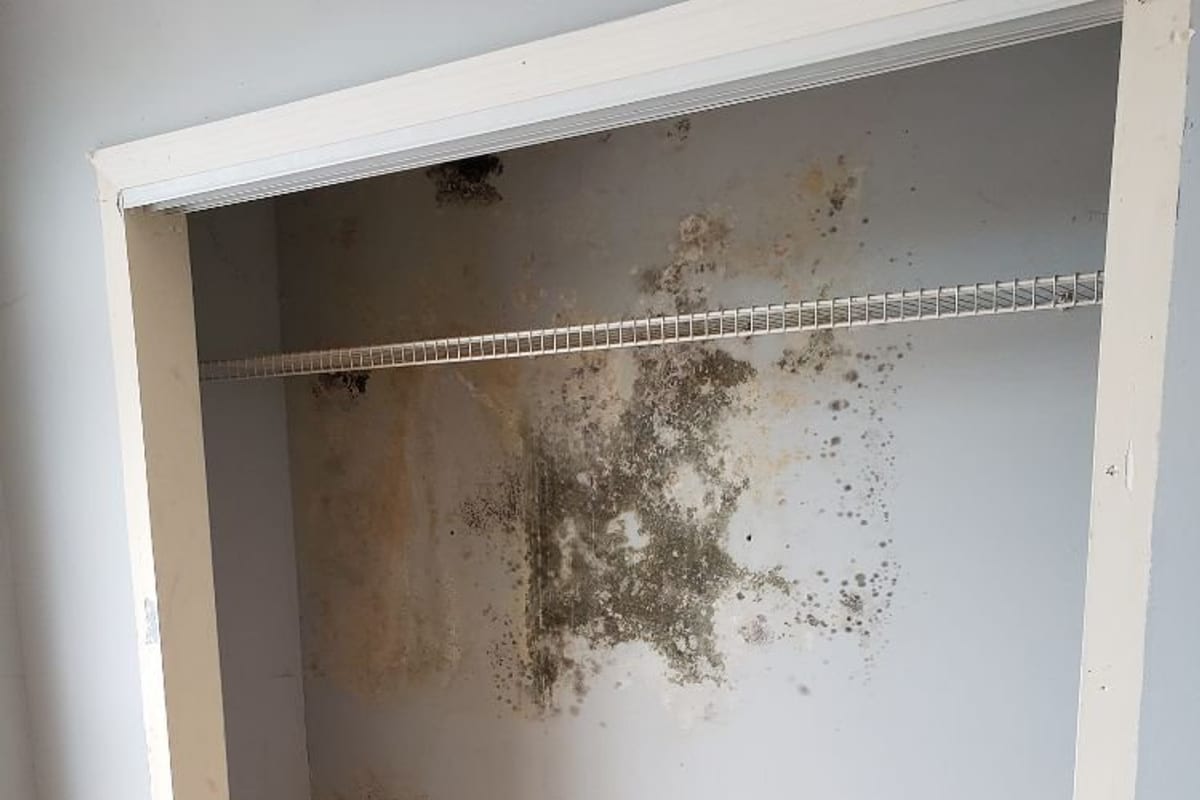
Why closets on exterior walls grow mold, how cold corners and closed doors cause it, how to clean it, and the airflow and storage fixes that keep it away.
Read the guide →
Why brand-new homes can grow mold: wet framing, curing concrete, tight envelopes and first-year humidity. What to check, fix, and document for the builder.
Read the guide →
Found mold in your Pennsylvania rental? How the implied warranty of habitability works, how to give written notice, what records to keep, and who can help.
Read the guide →
How to tell whether ceiling mold comes from a roof leak, bathroom condensation, the attic, or plumbing above, using the stain pattern, timing, and location.
Read the guide →
How to sort moldy belongings: clothes, upholstery, wood furniture, mattresses, books and keepsakes. What can be cleaned, what to discard, and how to do it.
Read the guide →
Green algae and black mildew on siding: why north walls get it, how to clean vinyl, wood and fiber cement gently, and when it points to a leak in the wall.
Read the guide →
Why finished basement ceilings grow mold: leaks from bathrooms above, sweating ducts and cold water pipes, and how to inspect drywall and drop ceilings.
Read the guide →
How to judge mold on basement and crawl space joists, sill plates and subfloor, the wood moisture content numbers that matter and when to clean or replace.
Read the guide →
Why mold grows on plaster and lath walls in pre-1940 Gettysburg homes, how lime mortar and fieldstone move moisture, and how to fix it without damage.
Read the guide →
Why winter condensation grows mold on window sills, how dew point and indoor humidity cause it, and fixes for single-pane and storm windows in older homes.
Read the guide →
Mold removal and mold remediation are often used as one term. What remediation includes, why no one removes all mold, and what to look for in a written scope.
Read the guide →
Signs of mold under hardwood, laminate and vinyl plank floors, from cupping to odor, how the subfloor or slab is checked, and which flooring can be saved.
Read the guide →
Mold under the kitchen sink usually means a slow leak. How to check supply lines, drains, the dishwasher and disposal, and when the cabinet floor must go.
Read the guide →
How water gets behind vinyl siding, why flashing and house wrap matter, signs of sheathing rot you can see from inside, and what a wall repair involves.
Read the guide →
Mildew is surface mold, but where it grows decides the fix. How to tell mildew, mold and dirt apart, the bleach dot test and its limits, and when to get help.
Read the guide →
A musty smell with no visible mold usually means hidden growth. How to track the odor room by room, what else smells musty, and when to call an inspector.
Read the guide →
Pennsylvania has no mold remediation license. What HICPA registration covers, local licenses and permits, asbestos and lead rules, and how other states vary.
Read the guide →
How to keep a vacation, seasonal or closed-up house from growing mold: humidity targets, dehumidifier setup, smart sensors and a pre-departure checklist.
Read the guide →
Selling a Pennsylvania home with current or past mold? What the Seller Disclosure Law requires, fix vs. sell as-is, and the remediation records buyers want.
Read the guide →
Warning signs of mold in a house, room by room: musty smells, stains that return after painting, warping, condensation, and symptoms that ease when you leave.
Read the guide →
What to do in the first 48 hours after a sump pump fails, how to dry a wet basement before mold grows, backup pump options and what insurance may cover.
Read the guide →
What a fair mold remediation warranty usually covers, the exclusions to expect, the moisture conditions you must keep, and the records to get before you sign.
Read the guide →
What white, green, orange and pink growth usually is, how to tell white mold from efflorescence, why pink shower film is often bacteria, and what color hides.
Read the guide →
Why basement window wells flood, how to test a clogged window well drain, which covers help, and how to deal with mold on basement window frames and walls.
Read the guide →
Why mold shows up on outside walls and corners in winter, how thermal bridging and insulation gaps cause it, the furniture gap that helps, and how to test it.
Read the guide →
The difference between a mold inspection and mold testing, when EPA says sampling is worth it, how to read air sample results, and how to hire an inspector in Gettysburg PA.
Read the guide →
Why attic mold grows on roof sheathing in Gettysburg PA homes, the winter condensation behind it, 7 warning signs, and the fixes for air leaks, ventilation, and bath fans.
Read the guide →
How to tell black mold (Stachybotrys chartarum) from mildew, what the CDC says about health effects, when testing helps, and when DIY cleanup is OK in Gettysburg PA.
Read the guide →
Why fieldstone and block basements in Gettysburg PA grow mold, the humidity target to hit, and 6 fixes for gutters, grading, and sump pumps.
Read the guide →
Mold can start growing 24-48 hours after a leak or flood. The first 7 steps for Gettysburg PA homeowners, drying targets, and insurance documentation tips.
Read the guide →Each topic answers a question homeowners in Gettysburg ask before they call for mold remediation.
Typical price ranges, quotes, and homeowners coverage
Fieldstone and block foundations, sump pumps, grading
Stachybotrys, mildew, and CDC health information
The 24-48 hour window, drying, and documentation
Keeping indoor humidity between 30% and 50%
When mold testing helps and when it does not
Call (717) 256-4434 to book an on-site estimate. See what a job with us involves, or call us. Our phone line is open 24/7, and every job starts with a written quote after inspection.
Call (717) 256-4434 and tell us where the mold is, how large it looks, and whether there was a recent leak. A technician from Gettysburg Mold Remediation Pros comes to your Gettysburg property, measures the area, finds the moisture source, and gives you a written estimate before any work starts.