
What a Mold Remediation Warranty Should Cover (and What It Usually Excludes)
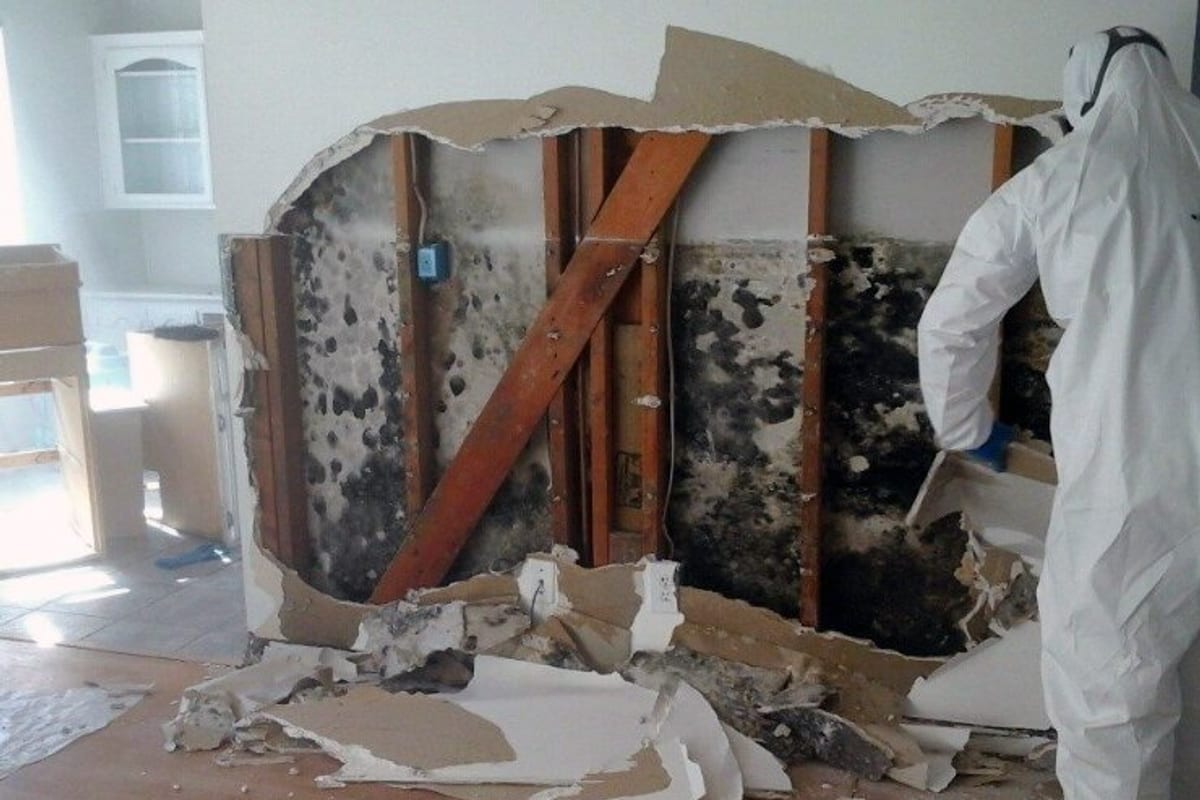
A reasonable mold remediation warranty promises that the treated areas were cleaned to the agreed standard and that the contractor will come back if growth returns in those areas under the same conditions, but it almost never promises that mold will never appear anywhere in the house again. Most warranties depend on the moisture source staying fixed, so read the conditions as carefully as the coverage.
This guide covers the main types of remediation warranties, what they typically cover and exclude, the conditions homeowners are usually expected to meet, the documents to get at the end of the job, and the warranty language that should make you ask more questions. It is a general consumer guide, not a description of any particular company’s warranty, and it is not legal advice.
Why Mold Warranties Are Different
Most construction warranties cover a product or a piece of workmanship: a roof that should not leak, a window that should not fail. Mold remediation is different because the result depends on something the contractor does not control after leaving: moisture.
Mold spores are present in nearly every indoor and outdoor space. The EPA says the key to mold control is moisture control. A properly remediated area can grow mold again if a new leak happens or humidity stays high. For that reason, honest warranties are tied to specific areas and specific conditions. Our guide on whether mold can come back after remediation explains the reasons in detail.
The Common Types of Warranty
| Type | What it usually promises | Things to check |
|---|---|---|
| Workmanship warranty | Work was done as described in the scope; defects in the work will be corrected | Length of term; what counts as a defect |
| Recurrence warranty for treated areas | If mold returns in the remediated areas within the term, the contractor will re-clean | Which areas; what conditions void it; who decides if it “returned” |
| Clearance guarantee | Work will pass post-remediation verification, or the contractor re-cleans until it does | Who performs the clearance; what criteria are used; who pays for retesting |
| Product or coating warranty | Covers an encapsulant or coating applied after cleaning, from the manufacturer | Usually limited to the product, not the remediation; labor may not be included |
| Rebuild or repair warranty | Covers new drywall, insulation or framing installed after remediation | Often a separate contractor; different terms |
Many jobs involve two or three of these. Ask which ones apply and get each in writing.
What a Fair Warranty Usually Covers
A clear warranty generally spells out:
- The exact areas remediated. “Basement north wall and adjacent joists” is useful. “Basement” is vague.
- The standard of work. Many contractors reference the IICRC S520 standard and EPA guidance. Some state the goal as returning the area to normal fungal ecology, which S520 calls Condition 1. Our guide on IICRC S520 mold conditions explains those terms.
- The term. How long the coverage lasts, starting from the completion date or the clearance date.
- What happens if mold returns. Re-inspection, re-cleaning, or re-remediation of the affected area, and at whose cost.
- How to make a claim. Who to call, in what form, and how quickly you must report.
- Whether it transfers. Whether a buyer can rely on it if you sell the house. That matters for disclosure. See our guide on selling a house with mold in Pennsylvania.
What Warranties Usually Exclude
Expect exclusions. A warranty with no exclusions at all is either vague or unrealistic. Common ones include:
- New water events. A pipe burst, roof leak, flood or sump failure after the job.
- Untreated areas. Mold elsewhere in the house that was not in the scope.
- Humidity above a stated level. Some warranties name a maximum, often around 60% relative humidity, and expect it to be maintained.
- Moisture sources not corrected. If the scope said the gutter, grading or plumbing leak needed repair by someone else and it was not done, the warranty may not apply.
- Changes to the area. Finishing a basement, adding carpet, or closing in a crawl space after remediation.
- Equipment not maintained. A dehumidifier unplugged, a sump pump that failed, or a bath fan disconnected.
- Cosmetic staining. Some staining on wood can remain after effective cleaning. Many warranties exclude stains that are not active growth.
- Health claims. Warranties generally do not promise any health outcome.
- Consequential damages. Damage to belongings, temporary housing or lost use, which are more often insurance questions.
The Conditions You Are Expected to Keep
Most warranties say, in some form, that the homeowner must keep the area dry. Get those conditions spelled out so you know what “dry” means.
Ask for specific numbers
- Relative humidity target for the area, such as below 50% or 60%.
- Dehumidifier size, drain setup and humidistat setting.
- Any repair you are responsible for, such as gutters, downspouts, grading or plumbing, and the deadline.
Keep simple records
A cheap digital hygrometer with a memory, or a log of readings once a week, is your strongest evidence if you later need to make a claim. Photos of the dehumidifier running and the drain hose in place help too. Our guide on basement dehumidifier sizing covers equipment choices.
Documents to Get at the End of the Job
Your warranty is only as good as the paperwork that shows what was done and what condition the area was left in. Ask for:
- The written scope you agreed to, and any change orders.
- Before, during and after photos of each area, including the containment.
- Moisture readings of framing and other materials at the end of drying, with locations.
- Clearance or post-remediation verification results, if performed. Our guide on mold clearance testing after remediation explains what that involves and why some homeowners prefer an independent party to do it.
- A list of materials removed and materials cleaned in place.
- Products applied, including any encapsulant or coating, with product names.
- The moisture source identified and whether it was corrected, by whom and when.
- The warranty document itself, signed and dated, with the areas and term filled in.
Keep these with your house records. If you sell, a buyer, inspector or lender may ask for them.
Warranty Language That Deserves Questions
These phrases are not always bad, but each needs a clear explanation before you sign.
| Language | Question to ask |
|---|---|
| ”Lifetime guarantee” | Whose lifetime? What happens if the company closes? What conditions apply? |
| ”Mold will never return” | In which areas, and under what humidity? Is that in writing with conditions? |
| ”Warranty void if any moisture present” | What moisture level? How will that be measured and by whom? |
| ”Annual inspection required at owner’s cost” | What does it cost, and is it required to keep the warranty in force? |
| ”Covers treatment only” | Does that include re-removing materials, or just spraying? |
| ”Subject to company determination” | Who decides if growth returned, and can you get an independent opinion? |
Our guide on how to choose a mold remediation company in Pennsylvania lists a “guarantee that mold will never come back” among its red flags. A warranty tied to specific areas and conditions is more believable than a sweeping promise.
Pennsylvania Contract Basics
Pennsylvania’s Home Improvement Consumer Protection Act (HICPA) sets general requirements for many home improvement contracts, including a written, signed contract and a notice of the right to cancel within 3 business days. The Pennsylvania Attorney General explains HICPA and handles consumer complaints. A warranty may be part of the contract or a separate document, so make sure it is referenced in the signed contract. Our guide on Pennsylvania mold contractor licensing covers registration and related rules. This is general information, not legal advice. For a specific dispute, talk to a Pennsylvania attorney.
Frequently Asked Questions
Should a mold remediation warranty be in writing?
Yes. A verbal promise is hard to rely on later. The warranty should name the areas, the term, the conditions and how to make a claim, and it should be signed and dated.
Does a warranty mean I do not need clearance testing?
No. A warranty covers what happens later. Clearance or post-remediation verification shows the condition of the area when the job ended. They answer different questions, and many homeowners want both.
Can a warranty transfer to a buyer?
Some do and some do not. If you may sell, ask before you sign and get the answer in the warranty document.
What if mold shows up in a different room after the job?
Most warranties cover only the remediated areas. Growth in another room usually means a separate moisture problem that needs its own inspection.
Before You Sign
If you are comparing remediation proposals and want a clear picture of the moisture source and the areas involved, a mold inspection gives you a scope to compare warranties against. Contact us with questions about a proposal or to schedule an inspection.