
Crawl Space Vapor Barrier vs. Encapsulation: What's the Difference?
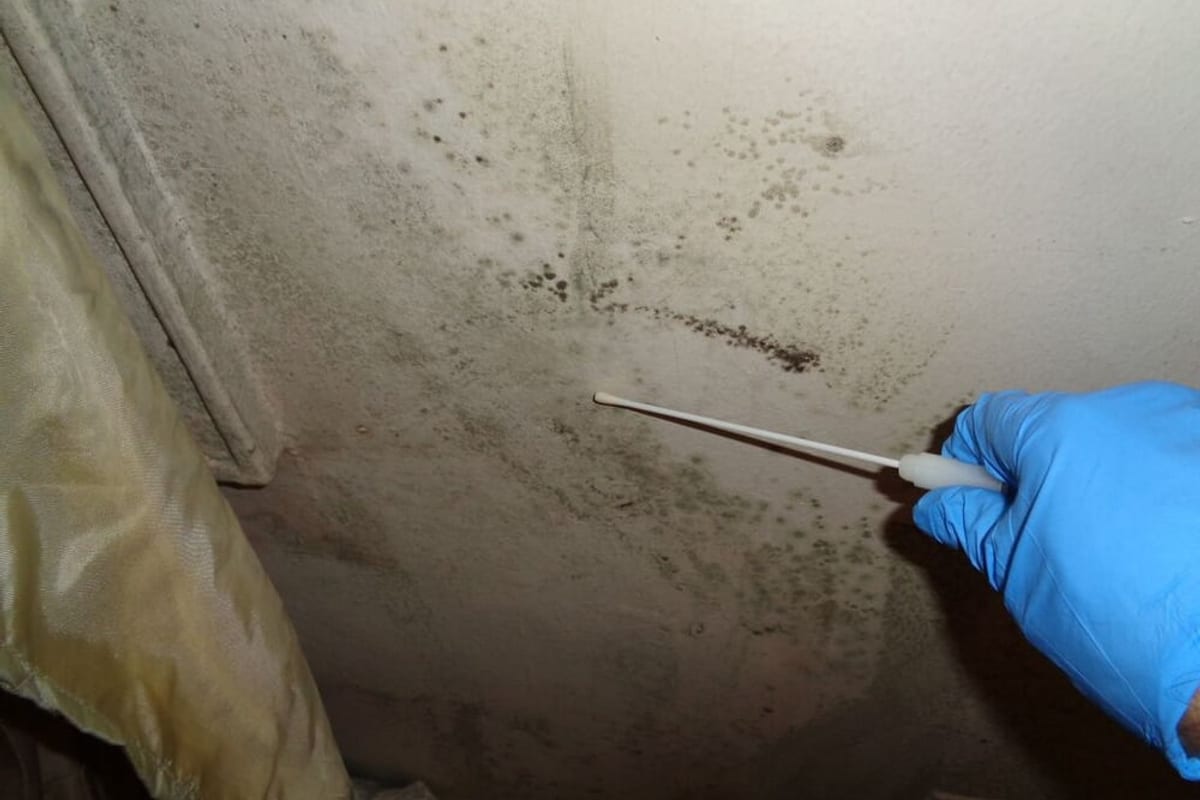
A vapor barrier is a plastic sheet laid over the dirt floor of a crawl space, while encapsulation seals the whole crawl space (floor, walls, vents and air leaks) and then controls the humidity inside it. A vapor barrier is one part of encapsulation. Encapsulation is a different way of running the crawl space.
This guide covers how the two approaches differ, what liner thickness in mil actually means, sealed vs. vented crawl spaces, when a dehumidifier is part of the job, and how to decide which one fits your house.
The Short Version
A crawl space can be handled in two basic ways.
- Vented crawl space with a ground vapor barrier. The foundation vents stay open. A polyethylene sheet covers the soil to slow the moisture coming up out of the ground. Outdoor air still moves through the space.
- Sealed (encapsulated) crawl space. The vents are closed, the ground and usually the walls are covered with a heavier liner that is taped and sealed, air leaks to the outside are closed, and humidity is controlled with a dehumidifier or a small supply of conditioned air from the house.
The ground is the biggest moisture source in most crawl spaces, and both approaches cover it. The difference is what happens to the air above the liner.
Vapor Barrier vs. Encapsulation at a Glance
| Feature | Ground vapor barrier (vented) | Full encapsulation (sealed) |
|---|---|---|
| What gets covered | Soil floor only | Soil floor, foundation walls, piers, often the rim area |
| Typical liner | 6 mil polyethylene | Heavier reinforced liner, commonly 10-20 mil |
| Seams | Overlapped, sometimes taped | Overlapped, taped and sealed to walls |
| Foundation vents | Open | Closed and sealed |
| Humidity control | None beyond ventilation | Dehumidifier or conditioned air supply |
| Wall insulation | Not usual; floor above is insulated | Often insulated foundation walls instead of the floor |
| Main weakness | Humid summer air still enters and condenses | Depends on equipment that must keep running |
| Relative cost | Lower | Higher; see our cost page for national published benchmarks from Angi and HomeGuide |
What a Vapor Barrier Actually Does
Bare soil gives off water vapor all the time, even when it looks dry on top. In a crawl space with a dirt floor, that vapor rises into the space and soaks into the floor joists, the subfloor and any fiberglass insulation between the joists.
A ground cover slows that movement. It does not stop water that floods in, and it does not dry the air that comes through the vents.
Building codes recognize this. The International Residential Code, which Pennsylvania’s Uniform Construction Code is based on, allows a vented crawl space to use less vent area when the ground is covered with a Class I vapor retarder (polyethylene is Class I). In other words, the code treats the ground cover as the main moisture control and the vents as secondary.
Where vented crawl spaces go wrong
In a humid Pennsylvania summer, the outdoor air that enters through foundation vents often carries more moisture than the crawl space can handle. The crawl space is cooler than the outdoor air because it sits against the ground. When warm, humid air touches the cooler joists, ductwork and pipes, its relative humidity rises, and if a surface is below the air’s dew point, water condenses on it.
That is why you can find sweating ductwork, damp insulation hanging from the joists and mold on the wood in July, even in a crawl space that never floods. Opening the vents wider does not fix it. On a muggy day it adds moisture.
Vented crawl spaces can work, especially where the ground cover is complete, the site drains well and the space stays fairly warm. They are least reliable when the liner is torn, pushed aside by a plumber or only covers part of the floor.
What Encapsulation Includes
A proper encapsulation job is more than a thicker sheet of plastic. It usually involves 6 steps.
- Fix water entry first. Gutters, downspouts, grading and any standing water need to be addressed. A sump pit and pump may be added where water collects on the crawl space floor.
- Clean up existing mold on the joists, subfloor and sill plates before anything is sealed in. Sealing a moldy crawl space does not remediate it.
- Remove failed insulation. Wet or sagging fiberglass batts between the joists are usually pulled out.
- Install the liner over the floor and up the foundation walls and piers, with seams overlapped and taped and the top edge fastened and sealed to the wall.
- Seal the vents and air leaks to the outside, including the crawl space access door and gaps at the rim.
- Control the humidity with a dehumidifier sized for the space, or with a small supply of conditioned air from the home’s HVAC system, as the code allows.
Step 6 is what makes encapsulation work. A sealed crawl space with no way to remove moisture can get damper than a vented one, because the moisture that does get in has nowhere to go.
What the code says about sealed crawl spaces
The International Residential Code (section R408.3 in recent editions) allows unvented crawl spaces when the ground is covered with a continuous Class I vapor retarder, joints overlap by at least 6 in. and are sealed or taped, and the edges extend at least 6 in. up the stem wall and are attached and sealed. It also requires one of several ways of handling the air: continuous mechanical exhaust, conditioned air supply, use of the crawl space as a supply plenum in certain cases, or dehumidification sized for the space. Your local code official decides what applies to your house, so check with the township or borough before you seal vents.
What “Mil” Means and How Thick a Liner Should Be
A mil is one thousandth of an inch. It is not a millimeter. A 6 mil sheet is 0.006 in. thick. A 20 mil liner is a little over three times as thick.
Thickness is mostly about durability, not about stopping vapor. Polyethylene at 6 mil already slows vapor well enough to be called a Class I retarder. Thicker liners matter because people crawl over them, store things on them and drag tools across them. A torn liner stops working at the tear.
| Liner | Typical use | Notes |
|---|---|---|
| 6 mil polyethylene | Code-minimum ground cover in vented crawl spaces | Inexpensive; tears easily under foot traffic |
| 10-12 mil reinforced | Light-duty encapsulation | String or scrim reinforcement resists tears |
| 15-20 mil reinforced | Encapsulation where people service equipment | Better puncture resistance; heavier to install |
What matters more than the number on the roll:
- Coverage. The whole floor, every pier and the wall height the design calls for.
- Seams. Overlapped and taped with tape made for the liner, not duct tape.
- Edges. Fastened and sealed at the walls so air and vapor cannot go around the liner.
- Penetrations. Sealed around piers, pipes and posts.
- Repairs. Any tear patched and taped, especially after other trades work in the space.
Do You Need a Dehumidifier?
In a sealed crawl space, you need some form of active moisture removal. In a vented crawl space, a dehumidifier is mostly wasted effort. Running one in a space that is open to outdoor air means drying the whole outdoors.
For a sealed crawl space, a dedicated crawl space dehumidifier is the common choice. Look for:
- A unit rated to run at the cooler temperatures typical of a crawl space. Many portable home units lose capacity or ice up below the mid-60s °F.
- A permanent drain line to the exterior, a sump pit or a condensate pump. No one should have to empty a bucket in a crawl space.
- A humidistat set so the space stays roughly in the 30-50% relative humidity range the EPA recommends for indoor air, and never above 60%.
- Easy access to the filter for cleaning.
For sizing in general, our basement dehumidifier size guide explains the pints-per-day ratings and why the numbers changed in 2019.
Put an inexpensive digital hygrometer in the crawl space either way. A wireless one lets you read it from the kitchen. That single number tells you more about whether your approach is working than any sales pitch.
Which One Fits Your House?
A vapor barrier alone may be enough when:
- The crawl space floor stays dry year-round with no standing water.
- Summer humidity readings in the crawl space stay below about 60%.
- There is no visible mold on the wood and no musty smell in the house.
- No ductwork or air handler runs through the crawl space.
Encapsulation is usually the better fit when:
- Ductwork, a furnace or a water heater sits in the crawl space. Sweating ducts in a vented crawl space are a common mold source.
- Summer readings sit above 60% even with a full ground cover.
- Joists or subfloor have had mold before, or the wood shows high moisture readings.
- The house has a musty smell that comes up through the floor.
Questions to ask before sealing
- Combustion appliances. A gas or oil furnace or water heater that draws combustion air from the crawl space needs a safe air supply after the vents are closed. Have an HVAC contractor confirm this.
- Radon. Sealing a crawl space is not radon mitigation. Pennsylvania has many homes with elevated radon, so test for radon before and after major foundation work.
- Termites and pests. Leave the wall top and sill area accessible enough to inspect.
- Water entry. If the crawl space floods, deal with drainage first. A liner over standing water just hides it.
The Local Picture
Crawl spaces and mixed foundations, part basement and part crawl, are common under older homes in and around Gettysburg. According to U.S. Census Bureau ACS 2020-2024 5-year estimates, 47.5% of housing units in Gettysburg borough were built before 1940, and the borough’s median year built is 1942. Additions and porches from later decades often sit on shallow crawl spaces with a dirt floor, attached to an older stone foundation. Those mixed spaces are where torn or missing ground covers turn up most often.
If you are in a newer part of the county, the issue is usually different. Newer crawl spaces may already have a 6 mil ground cover, but it is often incomplete, pulled loose at the walls or covered in debris.
Frequently Asked Questions
Can I just put down plastic myself?
Yes, for a vented crawl space with a dry floor. Overlap the seams at least 6 in. and tape them, run the sheet up the walls and around piers, and keep it clean. Do not lay plastic over existing mold or standing water. Small areas of mold on wood can be cleaned following EPA cleanup guidance, but growth larger than about 10 sq ft is a job for a professional.
Does encapsulation kill mold?
No. Encapsulation controls moisture so new mold does not grow. Existing mold on joists and subfloor has to be cleaned or removed first. Covering it with a liner or sealing the vents leaves it in place.
Should I close my crawl space vents in summer?
Only as part of a full sealed design with a liner and humidity control. Closing vents over a bare dirt floor traps the ground moisture in the space.
Will encapsulation lower my energy bills?
It can help, especially when ductwork runs through the crawl space, but results depend on the house. Treat any specific savings figure from a salesperson with caution and ask how it was calculated.
Get the Crawl Space Checked Before You Choose
The right choice depends on what the crawl space is doing now: moisture readings in the wood, humidity in the air, the condition of any existing liner and whether mold is already present. If you have found growth on the joists or a musty smell coming through the floor, start with our crawl space mold remediation service so the wood is cleaned before anything gets sealed. You can also read our guide to old Gettysburg basements for the outside drainage fixes that apply to crawl spaces too. Contact us or call (717) 256-4434 to schedule an on-site look.