
White, Green, Orange and Pink Mold: What the Color Tells You (and What It Doesn't)
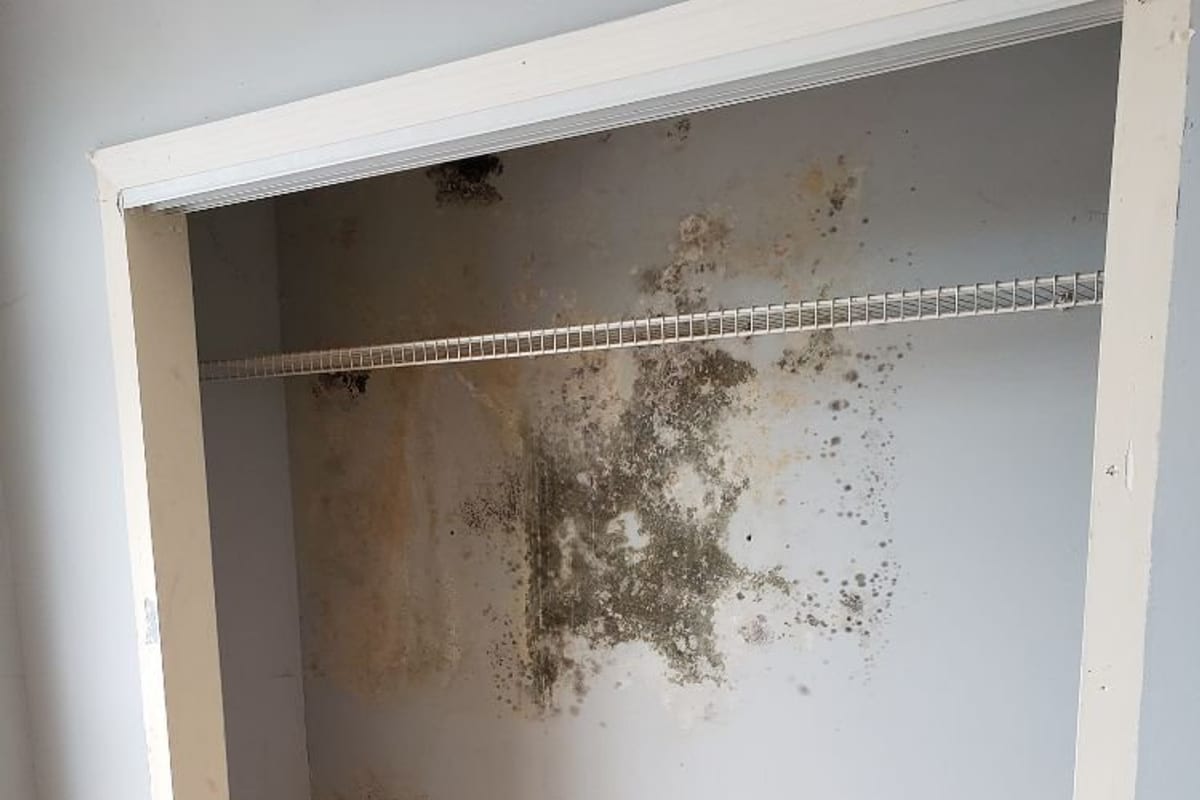
The color of mold gives you a rough hint about what it might be and how long it has been growing, but it does not tell you which species it is or how harmful it is, and it does not change how it should be cleaned. A few color clues are useful, though: white crust on masonry is often mineral salt, not mold, and pink or orange slime in a shower is usually bacteria.
This guide covers what each common color usually means, how to tell white mold from efflorescence, what pink and orange film in bathrooms is, why color changes as growth ages, and when color should change what you do.
Why Color Is a Weak Clue
Mold color depends on several things at once:
- The species, since many produce pigmented spores.
- The age of the colony. Many molds start white and darken as they produce spores.
- The material it grows on, which affects nutrients and moisture.
- Light, moisture and temperature.
- Mixed growth. Most indoor patches contain more than one kind of mold.
The same species can look green on bread and nearly black on drywall. Two different species can look identical. Only a lab can identify species, and the EPA says sampling is usually not needed when you can see growth, because the cleanup is the same either way.
Color is also not a measure of danger. The CDC advises that you do not need to know the type of mold growing in a home, and that any mold growing indoors should be removed. Our guide on black mold myths covers the “black mold is toxic” idea in detail, so this guide focuses on the other colors.
A Color-by-Color Guide
| What you see | What it often is | Where it usually shows up | Notes |
|---|---|---|---|
| White, fluffy or cottony | Early mold growth, or species that stay pale | Joists, subfloor, crawl space wood, stored items, wet drywall backing | Can be mistaken for dust or efflorescence |
| White, crystalline, powdery crust | Efflorescence (mineral salts), not mold | Concrete, block, stone, brick, mortar | Dissolves in water; signals moisture movement |
| Gray or gray-green | Mixed surface mold, mildew | Bathrooms, windows, basement walls | Common surface growth |
| Green or blue-green | Common indoor molds, often associated with Penicillium, Aspergillus or Cladosporium | Food, wood, drywall, fabric, window frames | Very common; not a species ID |
| Yellow | Some molds; also slime molds outdoors | Wood, mulch, damp organic material | Outdoor yellow blobs on mulch are often slime mold |
| Pink, orange or red slime | Usually bacteria (often Serratia marcescens) or yeasts | Shower grout, drains, toilet bowl rings, pet bowls | Bathroom biofilm, not mold in the usual sense |
| Orange or rusty fuzz | Some molds; also rust or iron bacteria | Wood, damp concrete, around metal | Check whether metal is nearby |
| Black or dark green | Many species | Bathrooms, windows, drywall, wood | See our black mold myths guide |
Genus names in that table are examples of common indoor molds that can show those colors. They are not a way to identify what is on your wall.
White Mold vs. Efflorescence
White growth on a basement wall is the most common color question, and the answer is often “not mold at all.”
Efflorescence forms when water moves through concrete, block, stone or mortar and carries dissolved salts to the surface. The water evaporates and leaves the salts behind as a white crust or powder.
Four quick checks
- What is it growing on? Efflorescence forms on masonry. Mold needs organic material, so it grows on wood, paper, dust or paint, though it can grow on dirty masonry too.
- Texture. Efflorescence feels gritty, crystalline or chalky and crumbles to powder. Mold is soft, fuzzy, cottony or slimy.
- Water test. Spray a little water on it. Efflorescence dissolves or softens and disappears as it absorbs water. Mold does not dissolve.
- Smell. Efflorescence has no smell. Mold usually smells musty.
Why efflorescence still matters
Efflorescence is harmless itself, but it proves water is moving through the wall. That moisture can raise basement humidity and feed mold on nearby wood, drywall or stored boxes. Our guides on basement mold in older homes and window well leaks cover where that water comes from.
White mold on wood
White, cottony growth on floor joists, subfloor or crawl space framing is usually mold, especially when the wood reads wet on a moisture meter. It can be mistaken for dust. Our guide on mold on floor joists and subfloor covers how to tell it from rot and how it is cleaned.
Pink and Orange Film in Bathrooms
The pink or orange ring in a shower, around a drain or at the waterline of a toilet is usually not mold. It is most often a bacterium commonly identified as Serratia marcescens, sometimes along with pink yeasts. It forms a slimy biofilm on surfaces that stay wet and get regular deposits of soap and body oils.
What helps:
- Scrub it off with a bathroom cleaner and a brush. It wipes away more easily than mold.
- Dry the surfaces after showers with a squeegee or towel.
- Run the exhaust fan during and for about 20 minutes after showers.
- Clean drains and the underside of soap dishes, where it hides.
- Replace shower liners and caulk that stay pink after cleaning.
Pink film coming back quickly is a ventilation and drying problem. If dark growth shows up alongside it, see our guide on mold vs. mildew for bathroom ventilation steps.
Green Mold on Food, Furniture and Walls
Green and blue-green growth is the most familiar indoor mold color. You see it on bread and fruit, but in a house it often appears on:
- Wood furniture and the backs of dressers against exterior walls.
- Leather shoes, belts and bags stored in damp closets.
- Window frames and sills.
- Drywall paper after a leak.
On belongings, our guide on mold on clothes and furniture covers what can be cleaned and what should go. On walls, green growth after a leak usually means the drywall paper is involved, and that section often needs to be removed.
Color Changes Over Time
Many molds start white or light gray, then darken as they produce spores. Growth that dries out may fade or look dusty. Old, dead growth can leave dark stains on wood that remain after cleaning. That is why the IICRC S520 standard and most professionals focus on removing growth and confirming moisture is under control, not on matching a color.
When Color Should Change What You Do
Color rarely changes the cleanup, but a few observations should change your next step:
- White crust that dissolves in water: treat it as a moisture problem in the masonry, not a mold cleanup.
- Pink or orange slime in a wet area: clean and improve drying; it is usually not a remediation job.
- Orange or rusty color near metal: check for rust or a corroding pipe.
- Any color of fuzzy growth on drywall, insulation, carpet or wood: treat it as mold, regardless of color.
- Any color covering more than about 10 sq ft (0.9 m²): the EPA generally suggests professional help at that size.
Frequently Asked Questions
Is white mold less dangerous than black mold?
Not necessarily. Color does not tell you how harmful a mold is, and the CDC’s advice is the same for any indoor growth. White growth may be young growth of a species that later darkens, or a species that stays pale. Remove it the same way.
Can I test mold color at home to find the species?
No. Home kits and color do not identify species reliably. If identification matters for a specific reason, a professional sample sent to an accredited lab is the way to do it. Our guide on air sampling vs. surface sampling explains the options.
Is pink mold in my shower dangerous?
It is usually a bacterium rather than mold. It is not something to leave growing, especially for people with weakened immune systems, but regular scrubbing and better drying usually control it.
What does green mold on my wall mean?
It means something kept that wall wet long enough for mold to grow. Find the moisture source first, whether a leak, condensation or high humidity, then clean or remove the affected material.
Getting Help With Mold of Any Color
If you have growth on drywall, wood or insulation, or a large area of any color, our black mold removal service handles all types of indoor mold, not only dark-colored growth, along with the moisture source. Contact us to schedule an assessment.