
Mold in a Rental in Pennsylvania: Tenant Rights and What to Do First
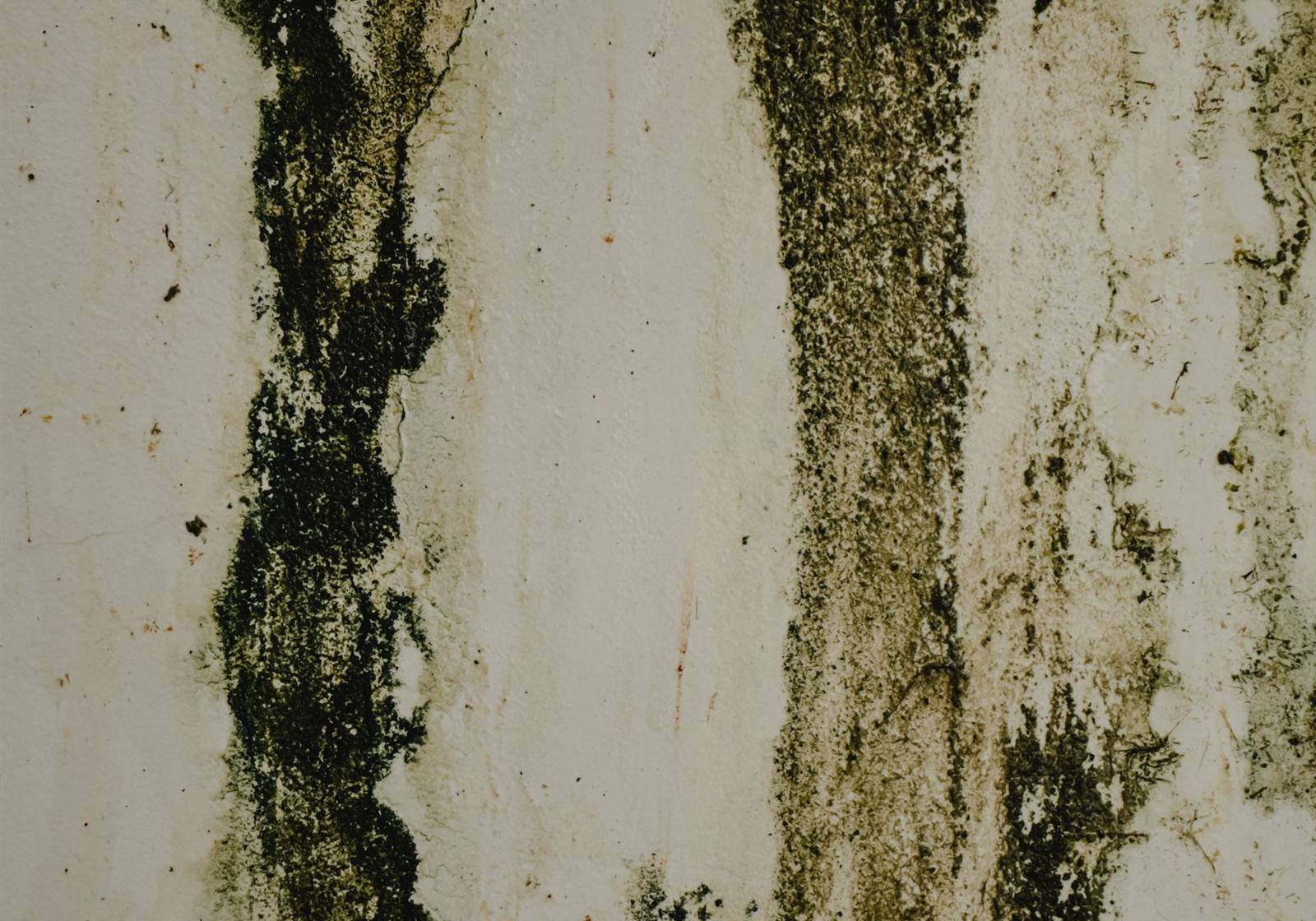
If you rent in Pennsylvania and find mold, tell your landlord in writing, document everything, and keep paying rent until you have local legal advice, because your strongest protection is the implied warranty of habitability and that protection depends on proper notice. Pennsylvania has no mold-specific rental statute, so most disputes turn on whether the mold makes the unit unfit to live in and whether the landlord was given a fair chance to fix it.
This guide covers what Pennsylvania law generally says, how to write the notice, which records matter, what Gettysburg renters should know about local code enforcement, and what a reasonable fix looks like.
General information, not legal advice. Tenant law depends on your lease, your municipality, and the facts. For advice on your situation, contact a lawyer or a legal aid office. Official starting points are listed near the end of this guide.
Why This Comes Up So Often in Gettysburg
Renting is the norm in the borough. According to U.S. Census Bureau ACS 2020-2024 5-year estimates, about 47% of occupied homes in Gettysburg borough are owner-occupied, which means most households rent. The same data puts 47.5% of the borough’s 2,801 housing units in buildings constructed before 1940, with a median year built of 1942.
That combination matters. Many rentals in town are older houses split into apartments, with stone or early block foundations, plaster walls, shared plumbing stacks, and bathrooms added decades after the house was built. Apartments carved out of old homes often have bathrooms without exhaust fans, basements that stay damp, and pipes that run through walls shared with a neighbor’s unit. Mold in those buildings is usually a building problem, not a housekeeping problem.
What Pennsylvania Law Generally Says
The implied warranty of habitability
In Pugh v. Holmes (1979), the Pennsylvania Supreme Court held that residential leases carry an implied warranty of habitability. In plain terms, a landlord promises that the unit is fit to live in, and that promise exists even if the lease does not mention it. Tenants cannot sign it away in a standard lease.
The warranty covers serious defects that affect health and safety. Small cosmetic issues usually do not qualify. Courts look at things like:
- Whether the condition affects health or safety, not just appearance.
- How long it has existed and how large it is.
- Whether it violates a housing or building code.
- Whether the tenant caused it.
- Whether the landlord had notice and a reasonable time to repair.
A patch of mildew on a shower caulk line is different from a bedroom wall soaked by a leaking roof. The first is usually routine cleaning. The second may be a habitability problem.
There is no statewide mold standard
Pennsylvania does not set a legal limit for mold in a home, and there are no federal limits either. The EPA’s mold guidance focuses on finding and fixing moisture rather than measuring spores. That means a lab report alone rarely settles a rental dispute. What usually matters is the moisture source, the extent of the damage, and who is responsible for the building system that failed.
Withholding rent is risky
You may read about tenants withholding rent or making repairs and deducting the cost. Pennsylvania case law does recognize remedies like these in some situations, but the conditions are strict, and getting them wrong can lead to an eviction filing for nonpayment. Do not stop paying rent based on an online article, including this one. Talk to a lawyer or legal aid first.
Step 1: Give Written Notice
Notice is the step tenants skip most often, and it is the one that matters most. A phone call or a text in passing may not be enough proof later.
Send notice in a way you can prove: email, a letter sent by certified mail, or a hand-delivered letter where you keep a dated copy. Check your lease, because some leases name a specific address or method for notices.
A good notice letter includes:
- Your name, unit address, and the date.
- Where the mold is, how large it looks, and when you first saw it.
- Any moisture source you can see: a ceiling stain, a dripping pipe, a wet basement, a fan that does not work.
- Any related problems, such as a musty smell, peeling paint, or soft drywall.
- A request that the landlord inspect and repair, with a reasonable date to respond.
- A line saying photos are attached.
Keep the tone factual. Avoid diagnosing “toxic black mold.” Describe what you see and ask for a repair.
Step 2: Build a Simple Record
Disputes go better for the side with organized records. Start a folder, paper or digital, and keep it updated.
| Record | What to capture | Why it helps |
|---|---|---|
| Photos and video | Wide shot of the room, close-up of growth, date visible in the file | Shows size and change over time |
| Notice letters and emails | Every message sent and received | Proves the landlord knew and when |
| Repair visits | Date, who came, what they did | Shows whether the fix addressed the cause |
| Humidity readings | Hygrometer readings, morning and evening | Separates building moisture from daily living |
| Damaged belongings | Photos, receipts, replacement costs | Supports renter’s insurance or a claim |
| Medical notes | Visits and doctor advice, if any | Only if health is affected |
A $10-20 digital hygrometer is worth buying. If the unit sits above 60% relative humidity day after day even with windows managed and the bathroom fan running, that points to a building moisture problem. If readings are normal and growth is limited to a shower, routine cleaning may be the answer.
Take photos before you clean anything. Once the evidence is wiped off, it is hard to show what was there.
Step 3: Separate Tenant Tasks From Landlord Tasks
Not every mold spot is the landlord’s job. Leases usually make tenants responsible for ordinary cleaning and for damage they cause. Landlords are usually responsible for building systems.
Usually reasonable for a tenant to handle:
- Surface mildew on tile, grout, tubs, and shower curtains.
- Running the bathroom fan during and after showers.
- Wiping condensation off windows in winter.
- Keeping furniture a few inches off exterior walls.
- Reporting leaks promptly.
Usually the landlord’s responsibility:
- Roof, plumbing, and window leaks.
- A missing or broken bathroom exhaust fan.
- Water coming through the foundation.
- Growth inside walls, ceilings, or under flooring.
- Mold spreading from a neighboring unit or a shared basement.
The EPA says an area smaller than about 10 sq ft (0.9 m²) on a hard surface can usually be cleaned by the occupant. Larger areas, mold on drywall or insulation, or anything tied to a leak is a repair, not a cleaning job. Our guide on whether bleach kills mold explains why scrubbing porous drywall rarely solves the problem.
Step 4: Know What a Real Fix Looks Like
Tenants often get a coat of paint over a stain and a promise. That is not a repair. A proper fix usually involves:
- Finding the moisture source. A leak, failed fan, condensation, or groundwater.
- Fixing the source. Without this, mold comes back on the new surface.
- Removing damaged porous materials. Moldy drywall, carpet pad, and ceiling tile generally come out.
- Cleaning hard surfaces and framing. With detergent, HEPA vacuuming, and drying.
- Drying before rebuilding. Materials should test dry with a moisture meter.
Larger jobs should be done with containment so dust does not spread to your belongings. In an old building with painted surfaces from before 1978, work that disturbs paint also falls under the EPA’s lead renovation rules. If you are not sure whether hidden growth is the issue, our guide to mold behind drywall covers the warning signs.
Gettysburg Borough: Local Code Enforcement and Rental Licensing
Gettysburg Borough handles rental property licensing and code enforcement for rentals inside borough limits. If your landlord does not respond to written notice, the borough’s code office is the local place to ask about a housing inspection. Start at the Borough of Gettysburg website and look for code enforcement or rental housing information, or call the borough office.
If you live outside the borough, in Cumberland Township, Straban Township, or elsewhere in Adams County, code enforcement is handled by that township or borough, and rules vary. Ask your municipal office which housing or property maintenance code it enforces.
A code inspection gives you an independent record. That can carry more weight than your own photos if the dispute goes further.
Where to Get Official Help
- Pennsylvania Office of Attorney General, which publishes consumer information including a tenant and landlord guide and handles some consumer complaints.
- PALawHelp.org, a statewide site with plain-language tenant information and a legal aid finder.
- MidPenn Legal Services, the legal aid program that serves Adams County for income-eligible residents.
- Pennsylvania General Assembly, for the text of the Landlord and Tenant Act of 1951.
- Your municipal code office, for inspections.
If you have renter’s insurance, call the insurer about damaged belongings. Policies vary, and many limit mold coverage, so read your policy. Our guide on homeowners insurance and mold explains the “sudden and accidental” language that renter’s policies often share.
Health First
If someone in the household has asthma, allergies, a weak immune system, or is very young or old, mention that in your notice and talk to a doctor. The CDC’s mold information explains common symptoms. Our guide to black mold signs and health covers what Pennsylvania families should watch for. Moving to a relative’s home temporarily is sometimes the safest short-term choice, but discuss lease and rent obligations with legal aid before you leave.
Frequently Asked Questions
Can I break my lease because of mold in Pennsylvania?
Sometimes, but not on your own say-so. If a serious mold problem makes the unit unfit and the landlord fails to fix it after proper notice, a tenant may have remedies that include ending the lease. The facts matter a great deal. Get legal advice before moving out or stopping rent.
Does my landlord have to test for mold?
Pennsylvania law does not require mold testing. Testing is often unnecessary when mold is visible, because the fix is the same: remove it and correct the moisture. Testing can help document a dispute or confirm hidden growth. Our guide on mold inspection vs. testing explains when it is worth it.
Can my landlord blame me for the mold?
A landlord may argue that tenant habits, like not running the fan or drying laundry indoors, caused growth. Humidity records, photos of leaks, and repair history help show whether the cause was the building or daily living. Keep your own records from the start.
What if the mold is in a shared basement?
Shared spaces are generally the landlord’s responsibility. Report it in writing like any other problem, and note if musty air or moisture is reaching your unit.
Getting the Repair Done Right
If your landlord asks for a professional assessment or repair, a crew that finds the moisture source first will save everyone a repeat visit. Bathroom and kitchen units in older apartments are the most common trouble spots, and our bathroom and kitchen mold removal service covers them, from failed exhaust fans to leaks under sinks. Landlords and property managers can contact us to schedule an on-site assessment.