
How to Choose a Mold Remediation Company in Pennsylvania
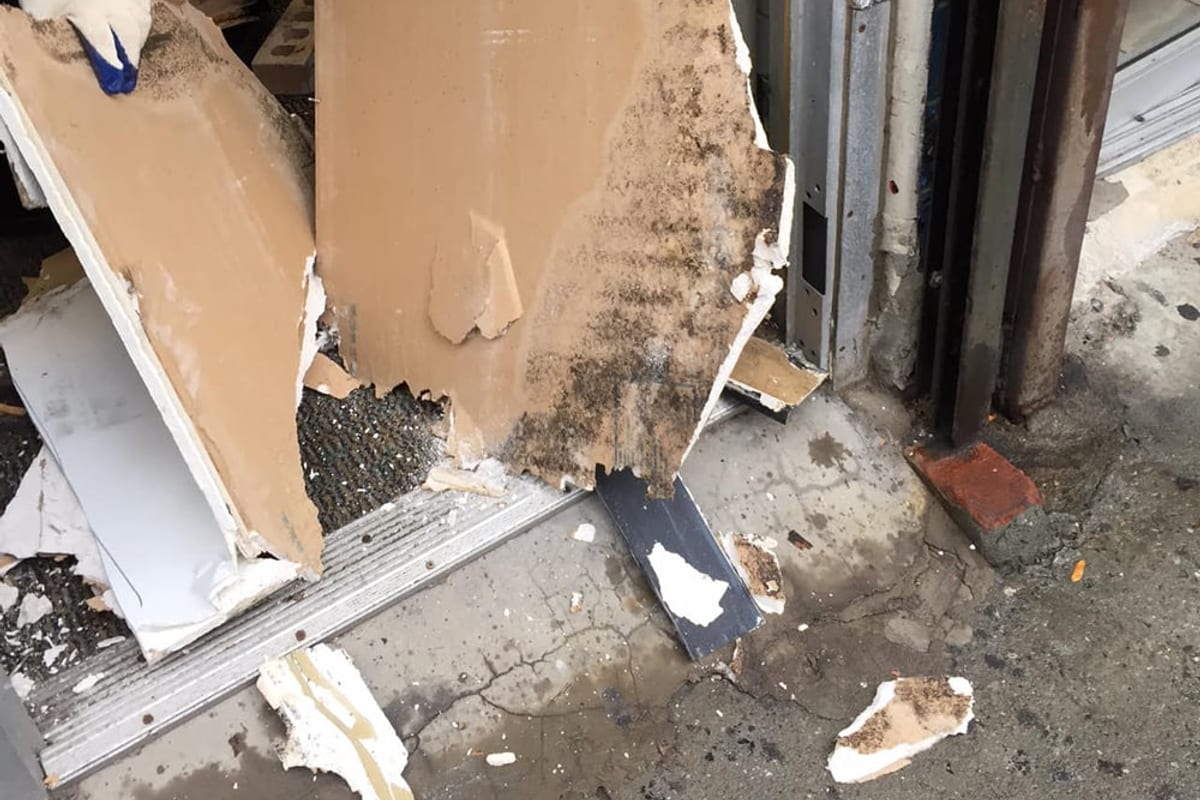
Pennsylvania does not license mold remediation companies, so the best way to choose one is to check its Home Improvement Contractor registration with the PA Attorney General, get a current insurance certificate, and insist on a written scope that names the moisture source, the containment and how the work will be verified. A company that will not put those things on paper is not the one to hire.
This guide covers what Pennsylvania law does and does not require, a step-by-step vetting checklist, what a good written scope looks like, and the red flags that should end the conversation.
What Pennsylvania Requires (and What It Does Not)
No state mold license
Some states license mold assessors and remediators. Pennsylvania does not. There is no state exam, no state mold certification and no state agency that inspects mold jobs. That means anyone can print “mold specialist” on a truck.
Private credentials do exist. The Institute of Inspection, Cleaning and Restoration Certification (IICRC) publishes the S520 standard for professional mold remediation and offers training for technicians. Training is a good sign, but it is not a government license, and you should still check the rest of the list below.
HICPA registration
Pennsylvania’s Home Improvement Consumer Protection Act (HICPA) requires most contractors who do home improvement work to register with the Office of Attorney General. Remediation that involves removing and replacing drywall, insulation, flooring or framing in a home is home improvement work. Registered contractors get a PA registration number, usually shown as “PA” followed by digits.
You can look up a contractor’s registration at the Attorney General’s Home Improvement Contractor search. Search by business name or registration number and confirm:
- The registration is active, not expired or revoked.
- The business name matches the name on the estimate and the truck.
- The address makes sense for a company that serves your area.
The PA Attorney General’s website also explains HICPA and how to file a consumer complaint.
HICPA also sets rules for the contract itself. In general terms, contracts must be in writing and signed, include the contractor’s registration number, a description of the work, the total price, approximate start and completion dates, and a notice of your right to cancel within 3 business days. The law also limits up-front deposits on larger jobs. This is general information, not legal advice. Check the Attorney General’s guidance or talk to a lawyer about your specific contract.
A 7-Step Vetting Checklist
Use this list for every company you are considering. It takes about 30 minutes per company.
- Look up HICPA registration on the Attorney General’s search site.
- Ask for a certificate of insurance sent directly from the insurance agent, not a photo of a card. Look for general liability coverage and, if the company has employees, workers’ compensation. Check the policy dates.
- Ask whether the policy covers mold work. Some general liability policies exclude mold. A contractor doing remediation should have coverage that does not exclude it, often called contractor’s pollution liability.
- Ask who will be on site and what mold-specific training they have.
- Get a written scope before you sign anything (see the next section).
- Ask how the job will be verified, and whether you can bring in an independent assessor for clearance.
- Read recent reviews on more than one platform, looking for specific details about communication, cleanup and whether the problem came back.
What a Good Written Scope Includes
A written scope is the single most useful document in the process, because it lets you compare companies on the same terms. It should cover:
| Item | What to look for |
|---|---|
| Moisture source | Names the cause and who is fixing it, such as a roof leak, plumbing leak or high humidity |
| Affected areas | Specific rooms and approximate square footage, ideally with photos |
| Containment | Type of barriers, negative air, HEPA air scrubbers and where they exhaust |
| Removal | Which materials come out (drywall to what height, insulation, carpet pad) and which are cleaned in place |
| Cleaning method | HEPA vacuuming, damp wiping, sanding or blasting of framing |
| Drying | Equipment used and the moisture target before rebuild |
| Verification | Visual check, moisture readings, any air sampling, and who performs it |
| Re-cleaning | Who pays if the area fails clearance |
| Rebuild | Included or not, and if not, who does it |
| Price and payment | Total, deposit and payment schedule that follow HICPA |
The EPA’s mold remediation guidance for schools and commercial buildings is written for larger buildings, but its containment and cleanup tables are a useful reference when comparing homeowner bids.
For price context, our mold remediation cost page lists national published benchmarks from sources such as Angi and HomeGuide. Those are national ranges, not local quotes, and a scope is what tells you whether two bids are actually for the same job.
6 Red Flags
1. Fear selling
Warnings that your family is in immediate danger, that “toxic black mold” is spreading through the house as you speak, or that you must sign today. The CDC and EPA both say the color or species of mold does not change how it should be removed. Our black mold myths guide explains why.
2. Testing and remediation sold as a package with no explanation
When the company that tests your air also profits from the remediation, it has a reason to find a problem. That does not make every combined offer dishonest, but the company should explain its findings, show photos and moisture readings, and be comfortable with you hiring an independent assessor for the final check. Some states prohibit the same firm from assessing and remediating one project for exactly this reason. Pennsylvania does not, so the choice is yours. Our inspection vs. testing guide explains when sampling is useful at all.
3. No moisture source in the plan
If the estimate talks about killing mold but says nothing about why it grew, the mold is likely to return.
4. Spray-only treatment for porous materials
Fogging or spraying a product on moldy drywall or insulation without removing it does not meet the IICRC approach, which is to physically remove growth. Our article on whether bleach kills mold explains why surface treatment falls short on porous materials.
5. No registration number, no written contract
A missing HICPA registration number or a handshake deal is a serious warning sign. So is a request for a large cash deposit up front.
6. A guarantee that mold will never come back
Nobody can promise that, because mold depends on moisture, and moisture depends on the house. A reasonable warranty is tied to the work area and to the moisture source staying fixed.
Questions to Ask on the First Call
- Are you registered under HICPA? What is your registration number?
- Can your insurance agent email me a certificate of insurance?
- Does your liability coverage exclude mold?
- Who will do the work, and what training do they have?
- Will you put containment, removal, drying and verification in writing?
- Are you comfortable with an independent clearance check?
- Do you handle rebuild, or will I need another contractor?
Good companies answer these questions without hesitation. Our guide on how long mold remediation takes can help you judge whether a proposed schedule is realistic.
A Note on Gettysburg’s Older Homes
Older houses add complexity that a contractor should recognize. According to U.S. Census Bureau ACS 2020-2024 5-year estimates, 47.5% of housing units in Gettysburg borough were built before 1940, compared with 25.0% statewide. Plaster walls, fieldstone foundations and lead-based paint (common in homes built before 1978) all change how containment and removal should be done. Ask whether the company is familiar with lead-safe work practices if painted surfaces will be disturbed.
Frequently Asked Questions
Does Pennsylvania require a license for mold remediation?
No. Pennsylvania has no state mold license or certification. Most contractors who do home improvement work, including mold jobs that remove and replace building materials, must register under HICPA with the Office of Attorney General.
How do I check a contractor’s HICPA registration?
Use the Attorney General’s search at hicsearch.attorneygeneral.gov. Search by business name or PA registration number and confirm the registration is active and matches the company on your estimate.
Should I get more than one estimate for mold remediation?
Yes, 2 or 3 written estimates are reasonable for anything beyond a small area. Compare the scopes line by line, not just the totals. A lower price that skips containment, drying or verification is not a better deal.
Is it a conflict of interest if the same company tests and removes mold?
It can be. The company has a financial reason to find a problem. Ask for photos and moisture readings, read the scope carefully, and consider an independent assessor, especially for the final clearance check.
Next Steps
A good hire starts with a clear picture of the problem. Learn how our inspections work, and contact us for a moisture-first assessment and a written scope you can compare against any other bid.