
Does Homeowners Insurance Cover Mold in Pennsylvania?
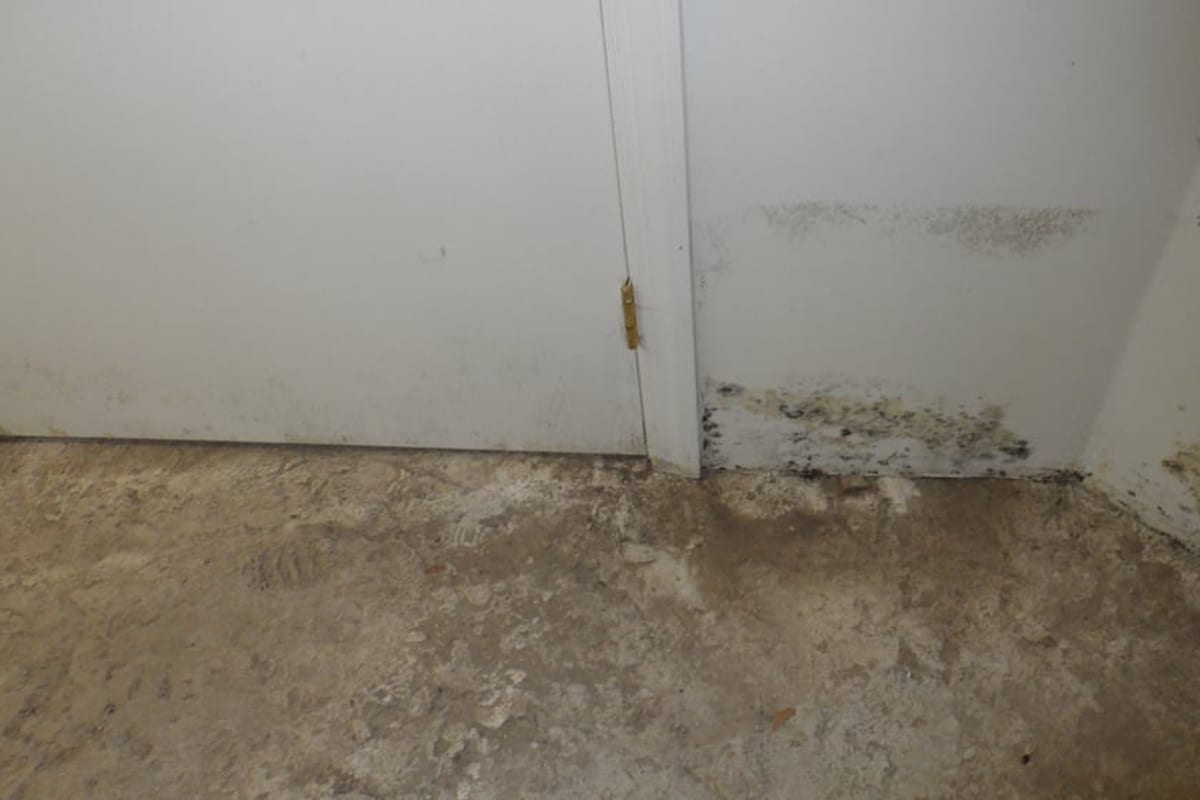
Pennsylvania homeowners insurance usually covers mold only when it results from a sudden and accidental covered loss, like a burst pipe, and even then many policies cap mold payments with a separate sublimit. Mold from long-term leaks, humidity, poor maintenance, or groundwater is commonly excluded. Flood-caused mold is a separate question handled by flood insurance.
This guide covers the “sudden vs. gradual” test, the policy language to look for, what a typical claim covers, how to document a loss, and where to turn in Pennsylvania if a claim goes badly.
General information, not legal advice. Every policy is different. Read your own policy and declarations page, ask your agent or insurer, and contact the Pennsylvania Insurance Department or an attorney for help with a dispute.
The Core Test: Sudden and Accidental vs. Gradual
Insurers ask one main question: what caused the water that caused the mold?
| Cause of water | Typical treatment under a standard homeowners policy |
|---|---|
| Burst supply line, frozen pipe that split | Often covered if reported promptly; resulting mold may be covered up to a sublimit |
| Washing machine hose failure | Often covered as sudden discharge |
| Water heater rupture | Often covered |
| Storm damage that opens the roof | Often covered, including water that enters through the opening |
| Slow drip under a sink for months | Usually excluded as long-term leakage or seepage |
| High humidity, condensation | Usually excluded |
| Ongoing roof leak the owner ignored | Usually excluded as wear, tear, or neglect |
| Groundwater seeping through the foundation | Usually excluded |
| River or surface flooding | Excluded; requires flood insurance |
| Sewer or drain backup | Excluded unless you bought a water backup endorsement |
Many policies have language excluding damage from continuous or repeated seepage or leakage of water over a period of time. The time period, the wording, and any exceptions vary, so find the exact clause in your policy.
Mold that grows because a covered loss was not dried quickly can also be denied. Most policies require you to take reasonable steps to protect the property after a loss. Wet materials can begin growing mold within 24-48 hours, according to the EPA’s mold guidance. Calling the insurer and starting drying right away protects both your home and your claim.
Policy Language to Look For
Pull out your full policy, not just the declarations page, and search for these terms:
- “Fungi,” “mold,” “wet rot,” “dry rot,” or “bacteria.” Usually found in the exclusions section and sometimes in a separate endorsement.
- “Limited fungi, wet or dry rot, or bacteria coverage.” Some policies or endorsements restore a limited amount of mold coverage when it results from a covered peril. The dollar limit is listed on the endorsement or declarations page.
- “Constant or repeated seepage or leakage.” The gradual-leak exclusion.
- “Wear and tear,” “deterioration,” “maintenance.” Used to deny claims for aging roofs, plumbing, and sealants.
- “Water backup and sump discharge or overflow.” An optional endorsement that matters a lot for basements.
- “Ensuing loss” or “resulting loss.” Language that may restore coverage for damage that follows an excluded cause. How this applies varies by policy.
- “Duties after loss.” What you must do: give prompt notice, protect the property, keep records, show the damage, and submit proof of loss when asked.
If the language is unclear, ask your agent to explain it in writing. That written answer is useful later.
The mold sublimit
Even when mold is covered, the payment for mold may be capped well below your dwelling coverage. That cap usually applies to the total cost of mold removal, testing, and the tear-out and repair needed to reach the mold. On a larger job, the sublimit can run out before the work is finished. Check the number on your declarations page or endorsement before you need it.
The cost of repairing the water damage itself, such as replacing a ruined floor from a burst pipe, may fall under your regular coverage instead of the mold sublimit. How an adjuster splits those costs matters, so ask how each line item is being classified.
What a Covered Mold Claim Usually Includes
When a claim is accepted, it may include some or all of these, subject to your limits and deductible:
- Water extraction and drying equipment.
- Removal of damaged drywall, insulation, flooring, and cabinets.
- Mold remediation under containment.
- Rebuild of removed materials.
- Additional living expenses if the home is not livable during repairs, depending on your policy.
- Damaged personal property, subject to contents coverage.
What it usually does not include is repair of the thing that failed. The burst pipe or worn-out water heater itself is often excluded, while the water damage it caused is covered.
How to Document a Mold or Water Claim
Documentation is what moves a claim from “maybe” to “paid.” Start the moment you discover the problem.
First 48 hours
- Stop the water. Shut off the main valve or the fixture supply.
- Take photos and video before moving anything. Wide shots of each room, then close-ups. Include the failed part, such as the split pipe or burst hose.
- Report the loss to your insurer and write down the claim number, the date, and who you spoke with.
- Start drying. Fans, dehumidifiers, and water extraction. Keep receipts for anything you buy or rent.
- Save the failed part. Don’t throw away the hose, valve, or pipe section. The adjuster may want to see it.
During the claim
- Keep a simple log of every call, email, and visit: date, name, and what was said.
- Ask for the adjuster’s estimate in writing.
- Get your own written scope from a remediation contractor, with photos and moisture readings.
- Don’t throw out removed materials until the adjuster has seen them or approved disposal. Photograph them before they go.
- Keep moisture readings that show when materials reached dry levels.
Records to keep long term
The remediation scope, clearance results, invoices, and photos should go in a permanent file. You may need them for a future claim, and you will want them if you sell. Pennsylvania’s seller disclosure rules ask about known defects and past water damage. Our guide on selling a house with mold in Pennsylvania explains why.
Should You Test for Mold During a Claim?
Sometimes. EPA says sampling is usually unnecessary when mold is visible, because the fix is the same. During an insurance claim, though, lab-backed documentation of hidden growth or post-work clearance can help. Our guide on mold inspection vs. testing covers when testing is worth paying for, and mold clearance testing after remediation explains the final check.
Common Reasons Mold Claims Are Denied
- The leak was slow and long-running.
- The owner waited weeks to report the damage.
- No drying was done after the loss, so mold grew afterward.
- The water came from flooding, groundwater, or a sewer backup without the right endorsement.
- The cost exceeded the mold sublimit.
- The damage was blamed on maintenance, such as old caulk or a deteriorated roof.
Some of these can be challenged with good records. For example, photos and a plumber’s report showing a fitting failed suddenly can counter an assumption of long-term leakage.
When a Claim Goes Wrong: Pennsylvania Resources
If you disagree with your insurer:
- Ask for the denial or partial denial in writing, with the specific policy language relied on.
- Request a copy of your full policy if you do not have it.
- Submit your own estimate and documentation and ask for reconsideration.
- Check your policy’s appraisal clause. Many policies have a process for resolving disputes over the amount of loss.
- Contact the Pennsylvania Insurance Department. It regulates insurers in the state, offers consumer help, and accepts complaints against insurance companies.
- Consider a licensed public adjuster or an attorney for larger claims. Public adjusters in Pennsylvania are licensed by the Insurance Department and work for the policyholder for a fee. Check a license before signing anything.
Pennsylvania also has a statute allowing claims against insurers for bad faith conduct, 42 Pa.C.S. Section 8371. Whether it applies to your situation is a question for an attorney.
Preventing the Next Denial
Many gradual-leak denials are preventable. A few habits that protect both your home and your coverage:
- Check under sinks and behind toilets monthly. See our guide on mold under the kitchen sink.
- Replace washing machine hoses every few years with braided stainless hoses.
- Keep basement relative humidity under 60% with a draining dehumidifier.
- Test the sump pump each spring and consider a battery backup. Our guide on sump pump failure and mold explains why.
- Fix roof leaks and failed caulk promptly, and keep the receipts.
- Ask your agent about water backup coverage, especially with a finished basement.
For cost context while you compare an estimate to your sublimit, our mold remediation cost page lists national published benchmarks from Angi and HomeGuide. They are not local quotes.
Frequently Asked Questions
Is black mold covered differently than other mold?
No. Policies do not usually distinguish between types of mold. Coverage depends on the cause of the water and your policy’s mold language, not the color or species. Our guide on black mold myths covers more on this.
Will a mold claim raise my premium?
It can. Insurers consider claim history when pricing and renewing policies. Ask your agent how a claim might affect your policy before you file a small one, but do not delay reporting a real loss, since late notice can hurt coverage.
Does renter’s insurance cover mold?
Renter’s insurance covers the tenant’s belongings and sometimes living expenses, not the building. It usually carries similar mold and gradual-leak limits. Tenants should also read our guide on mold in a rental in Pennsylvania.
Can I hire my own remediation company during a claim?
Generally yes, you choose who works on your home. Tell the insurer who you hired, share the written scope, and get the adjuster’s approval on the scope before major work if possible.
Getting the Water Damage Handled Fast
Speed protects both your house and your claim. Our water damage and mold restoration service covers drying, removal of damaged materials, and remediation, with photos, moisture readings, and a written scope you can give your adjuster. Contact us after a leak to get drying started.