
IICRC S520 Mold Conditions 1, 2 and 3 Explained
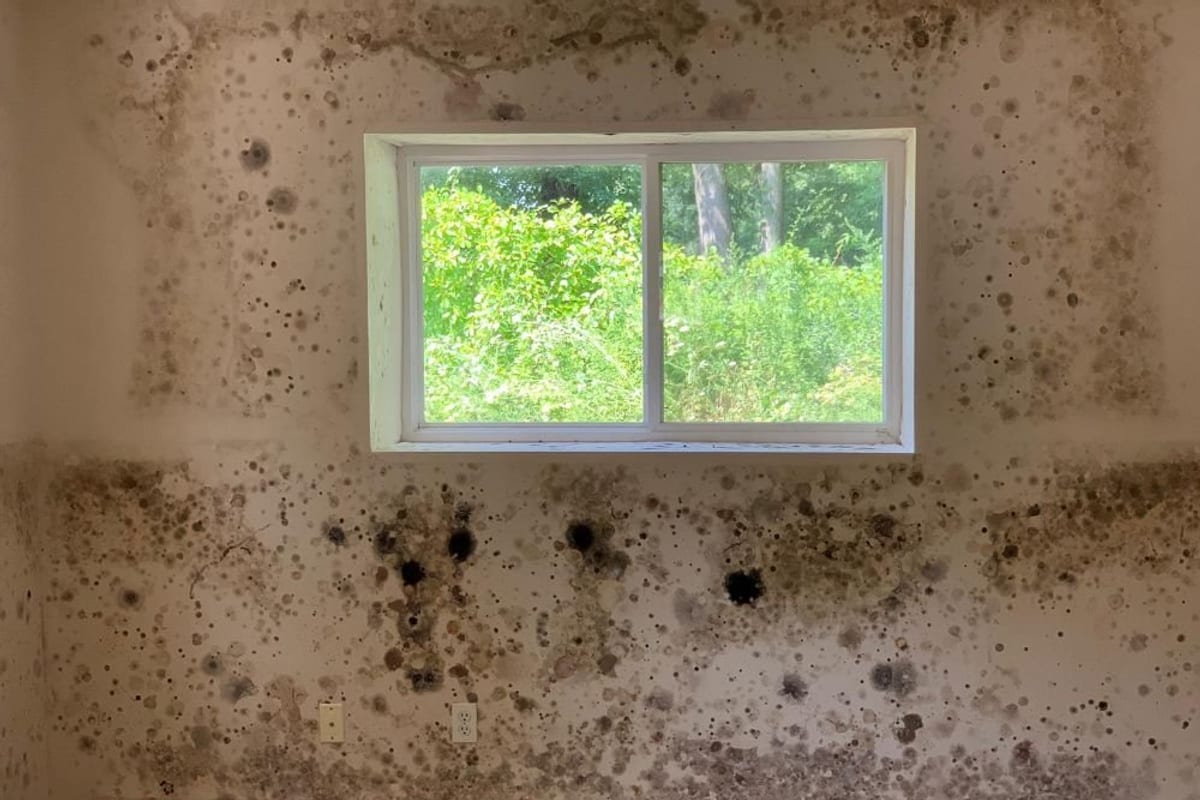
The IICRC S520 standard sorts indoor areas into 3 mold conditions: Condition 1 is normal fungal ecology, Condition 2 is an area contaminated with settled spores or fragments from nearby growth, and Condition 3 is an area with actual mold growth, and the goal of remediation is to return every Condition 2 and 3 area to Condition 1. Those labels decide what gets contained, what gets removed, what only needs cleaning, and what the final check has to show.
This guide covers what each condition means in plain terms, how a remediator decides which areas fall where, how the conditions drive containment and clearance, and what to ask when a contractor uses these terms in your estimate.
What IICRC S520 Is
The Institute of Inspection, Cleaning and Restoration Certification (IICRC) publishes the ANSI/IICRC S520 Standard for Professional Mold Remediation. It is a consensus standard written by industry practitioners, indoor environmental professionals and other experts. It is not a law, and Pennsylvania has no mold licensing statute, but it is the most widely referenced procedural standard for mold remediation in the United States.
S520 sits alongside federal guidance. The EPA’s mold resources and its remediation guide for schools and commercial buildings cover similar principles: fix the moisture, contain the work, physically remove growth, and confirm the result.
The 3 Conditions in Plain Terms
Condition 1: Normal fungal ecology
Condition 1 is what a clean, dry building looks like. Mold spores are present in nearly all indoor air and dust, because they come in from outdoors on air, clothing and pets. A Condition 1 area may have settled spores and even traces of growth, but the types, amounts and locations are what you would expect in a similar building with no moisture problem.
Condition 1 is the target. It does not mean “zero mold,” which is not achievable or necessary in a home.
Condition 2: Settled spores
Condition 2 is an area that does not have its own growth but has been contaminated by spores and fragments from a Condition 3 area nearby. It may contain traces of actual growth. Think of a basement storage room next to a moldy wall, or a hallway that sat outside a bathroom where moldy drywall was torn out without containment.
The materials in a Condition 2 area are usually not damaged. They are dirty with settled mold particles and need to be cleaned.
Condition 3: Actual growth
Condition 3 is an area with mold actually growing on or in materials, whether that growth is active or dormant, visible or hidden. Dormant growth that has dried out still counts. So does growth inside a wall cavity that nobody can see yet.
Condition 3 is where removal happens.
Side-by-side comparison
| Condition 1 | Condition 2 | Condition 3 | |
|---|---|---|---|
| What it means | Normal fungal ecology | Settled spores and fragments from nearby growth | Actual growth, active or dormant, visible or hidden |
| Typical example | A dry bedroom across the house | A room or contents next to a moldy area | Wet drywall, a stained attic deck, moldy joists |
| Main action | None needed | Clean surfaces and contents | Remove porous materials, clean or remove semi-porous and hard materials, fix moisture |
| Containment | Protect it from the work | Often included inside or adjacent to the work area | Sealed containment, usually with negative air |
| End goal | Stay Condition 1 | Return to Condition 1 | Return to Condition 1 |
How a Remediator Decides Which Condition Applies
Assigning conditions is a judgment call based on an assessment, not a single lab number. The process usually looks at:
- The moisture history. Where did water get in, how long did it stay, and which materials got wet?
- Visible growth and staining on drywall, framing, sheathing, carpet, contents and ductwork.
- Moisture meter and thermal camera readings to find wet materials that may hide Condition 3 growth.
- Air movement. Where could spores have traveled from the growth area? HVAC returns, open stairways and doorways all matter.
- Sampling, when needed. S520 recognizes that an indoor environmental professional (IEP) may be brought in to assess conditions, especially on complex jobs or when the extent is unclear. Our guide on mold inspection vs. testing explains when lab work helps.
A good estimate should show which areas are treated as Condition 3, which as Condition 2, and which are Condition 1 areas to protect.
How the Conditions Drive Containment
Containment exists to stop a Condition 3 area from creating new Condition 2 areas. Tearing out moldy drywall releases a large burst of spores and fragments. Without barriers, the rest of the house can become Condition 2.
Typical containment choices follow from the conditions:
- Condition 3 areas are sealed with polyethylene sheeting, with HVAC vents covered and a HEPA air scrubber holding the space under negative pressure, so air flows in rather than out.
- Condition 2 areas next to the work zone may be included inside the containment so they can be cleaned with the same controls.
- Condition 1 areas are protected. That means a covered path for the crew, sealed doorways and an entrance that keeps dust from tracking out.
S520 leaves containment size and design to professional judgment based on the job, rather than fixing it only to square footage. The EPA’s guidance uses size-based levels, with about 10 sq ft (0.9 m²) as the general limit for homeowner cleanup and stricter controls for larger areas. Both point the same direction: more growth and more disturbance call for tighter containment. Our guide on staying home during mold remediation explains what that means for the people living in the house.
How the Conditions Drive Removal and Cleaning
S520’s core principle is physical removal of mold. Killing it with a spray is not the goal, because dead mold can still cause allergic reactions and stays on the material.
What happens in practice depends on the material and the condition.
In Condition 3 areas
- Porous materials with growth, such as drywall, ceiling tile, insulation, carpet and pad, are generally removed and bagged.
- Semi-porous materials such as wood framing and subfloor are cleaned by HEPA vacuuming, damp wiping, sanding, wire brushing or media blasting, then rechecked. Badly damaged wood may be replaced.
- Non-porous materials such as metal, glass and hard plastic are cleaned and dried.
Our guide on mold on floor joists and subfloor goes deeper on cleaning structural wood.
In Condition 2 areas
- Surfaces are HEPA vacuumed and damp wiped.
- Contents, such as furniture, books and clothing, are cleaned or evaluated for disposal.
- HVAC components may need cleaning if they were exposed.
Why biocides are not the main tool
S520 does not rely on antimicrobials as a substitute for removal. Some products have a limited role after cleaning, for example on certain surfaces, but spraying moldy drywall and leaving it in place does not return an area to Condition 1. Our article on whether bleach kills mold explains the problem with surface treatment on porous materials.
How the Conditions Drive Clearance
Post-remediation verification is the step that confirms Condition 2 and 3 areas are back to Condition 1. It typically includes:
- A visual inspection for remaining growth, dust and debris.
- Moisture readings to confirm materials are dry.
- Air or surface sampling, when the assessor chooses to use it, compared with outdoor air and unaffected rooms.
S520 recommends that, when an IEP did the initial assessment, an IEP should also perform the final verification. Many homeowners choose an independent assessor for that reason. Our guide to mold clearance testing after remediation explains each step.
Containment should stay up until verification is complete. Taking it down early can turn a clean area back into Condition 2.
What to Ask When a Contractor Uses These Terms
When an estimate mentions S520 or the 3 conditions, ask:
- Which rooms or areas are Condition 3, and how did you decide?
- Are any areas being treated as Condition 2, and how will they be cleaned?
- Where will containment go, and will it be under negative pressure?
- Which materials will be removed, and which cleaned in place?
- What is the drying target before rebuild?
- How will you confirm the work area is back to Condition 1, and who will do that check?
Clear answers to these questions tell you more about a company than a logo on a truck. Our guide on how to choose a mold remediation company in Pennsylvania has a full vetting checklist.
For price context, our mold remediation cost page lists national published benchmarks from sources such as Angi and HomeGuide. These are national figures, not local quotes. Larger Condition 3 areas and wider Condition 2 cleaning both add labor and equipment time.
Frequently Asked Questions
What is Condition 1 in mold remediation?
Condition 1 is normal fungal ecology. The area may have some settled spores or traces of mold, but the types, amounts and locations are what you would expect in a similar building with no moisture problem. It is the goal of every remediation job.
What is the difference between Condition 2 and Condition 3 mold?
Condition 3 has actual mold growth, whether active, dormant, visible or hidden. Condition 2 has no growth of its own but has been contaminated by settled spores and fragments that came from a Condition 3 area. Condition 3 usually needs removal. Condition 2 usually needs cleaning.
Is IICRC S520 required by law in Pennsylvania?
No. S520 is a voluntary industry standard, and Pennsylvania has no mold licensing law. Many contractors, insurers and assessors use it as the reference for how remediation should be done, so it is a reasonable benchmark to ask about.
Does dead or dormant mold still count as Condition 3?
Yes. S520 treats dormant growth as actual growth. Drying out mold stops it from growing, but the material still holds spores and fragments that can cause reactions, so it still needs to be removed or cleaned.
Start With an Accurate Assessment
Every step in S520 depends on correctly mapping where growth is and where spores have spread. Learn how our inspections work, and contact us to schedule a moisture-focused assessment and a written scope that spells out each condition.