
Is DIY Mold Removal Safe? The 10 Sq Ft Rule, Gear, and When to Stop
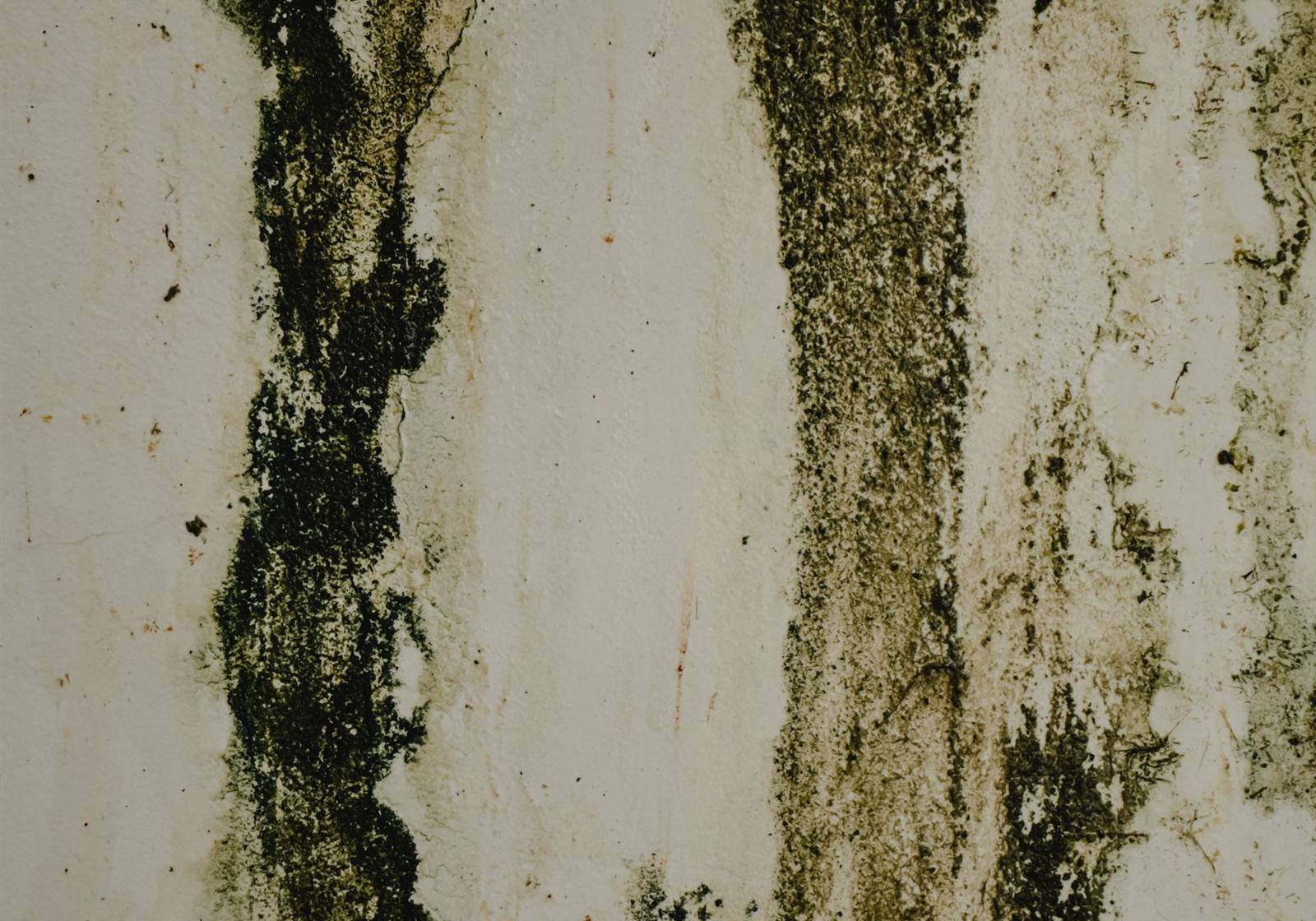
DIY mold removal is usually safe for a healthy adult when the growth covers less than about 10 sq ft, sits on a surface you can clean or easily replace, and comes from a moisture problem you have already found and fixed. Outside those limits, the risk of spreading spores, missing hidden growth, or making someone sick goes up quickly.
This guide covers how EPA’s 10 sq ft guideline works and where it falls short, the protective gear to wear, a step-by-step plan for a small job, and the signs that tell you to put the scrub brush down.
The EPA 10 Sq Ft Guideline, Explained
The U.S. Environmental Protection Agency (EPA) says in A Brief Guide to Mold, Moisture and Your Home that if the moldy area is less than about 10 sq ft, in most cases you can handle the job yourself. Ten sq ft is roughly a 3 ft by 3 ft patch, or a strip 1 ft tall running 10 ft along a baseboard.
EPA’s guide for larger buildings, Mold Remediation in Schools and Commercial Buildings, breaks jobs into size bands. Those bands are a useful way to think about a house too:
| Area of growth | EPA size band | What that usually means at home |
|---|---|---|
| Under 10 sq ft | Small, isolated | Reasonable DIY for a healthy adult with basic gear |
| 10 to 100 sq ft | Medium | Containment and more protection; a professional is the safer choice |
| Over 100 sq ft | Large | Full containment, negative air, trained crew |
How to measure honestly
Add up every patch in the same room or area, not just the biggest one. Five 2 sq ft spots on one basement wall is a 10 sq ft job. Measure the stain, not just the darkest center. And count what you cannot see: if visible growth sits at the base of a drywall wall, there is often more on the back of the board.
What the 10 sq ft number does not cover
The guideline is about size. It says nothing about these factors, which matter just as much:
- The material. Ten sq ft on a tile wall is a cleaning job. Ten sq ft on carpet pad or ceiling tile is a removal job.
- The water source. EPA says to call a professional if the water was sewage or otherwise contaminated.
- The people. EPA advises consulting a health professional before cleanup if you have health concerns, and keeping people with asthma, allergies or weakened immune systems away from the work.
- The location. Mold in the HVAC system, an attic, or a crawl space is harder to reach, contain and clean.
Protective Gear for a Small DIY Job
At minimum, wear an N95 respirator, long gloves and goggles without vent holes. That is EPA’s baseline for homeowner cleanup.
| Gear | What to buy | Why it matters |
|---|---|---|
| Respirator | N95 or better, fitted with no gaps at the nose | A paper dust mask does not stop spores reliably |
| Gloves | Rubber, nitrile, neoprene or PVC, extending to mid-forearm | Keeps mold and cleaners off skin |
| Eye protection | Goggles without ventilation holes | Spores and dust get past safety glasses |
| Clothing | Old long sleeves and pants you can wash right away, or disposable coveralls | Keeps spores off your everyday clothes |
| Supplies | Heavy plastic bags (6 mil), spray bottle, scrub brush, rags, detergent | Lets you bag waste inside the work area |
Fit matters more than brand. Pinch the metal strip on the N95 to your nose and check for air leaking around the edges when you breathe out. Beards prevent a proper seal. If you cannot get a seal or you feel dizzy or short of breath, stop.
A Step-by-Step Plan for Small Jobs
- Fix the moisture first. Cleaning before the leak, condensation, or humidity is fixed just resets the clock. Indoor relative humidity should stay under 60%, ideally 30-50%.
- Set up the room. Close the door. Turn off the HVAC system or cover the supply and return vents in the room so spores do not travel through the ducts. Put a box fan in a window blowing out if one is available.
- Mist, do not dry-brush. Lightly dampen the growth before you touch it. Dry scraping or brushing throws spores into the air.
- Clean hard surfaces with detergent and water. Scrub, wipe with a damp cloth, then wipe again with a clean one. Our guide on whether bleach kills mold explains why EPA does not recommend bleach as a routine step.
- Remove small porous items you can bag. A moldy shelf liner, a cardboard box, a small piece of baseboard. Bag it in the room, seal the bag, and wipe the outside before carrying it out.
- HEPA vacuum the area when the surfaces are dry. A regular shop vac without a true HEPA filter can blow fine particles back into the room.
- Dry everything within 24-48 hours. Use fans and a dehumidifier.
- Clean up yourself. Remove gear at the door of the work area, bag disposables, and wash work clothes separately.
What Not to Do Yourself
Some jobs carry risks that go beyond the mold:
- Cutting into walls in an older home. Paint in homes built before 1978 may contain lead, and some older plaster, joint compound and ceiling textures may contain asbestos. Sanding or demolishing them without testing can create a separate hazard.
- Running a fogger or “bomb.” Fogging does not remove growth and fills the room with chemicals.
- Painting over mold. Paint, including “mold-resistant” primer, does not fix active growth. EPA says not to paint or caulk over moldy surfaces.
- Removing insulation in an attic or crawl space. These spaces are tight, hot, and full of fiberglass, and disturbed growth spreads easily.
- Cleaning after a flood or sewage backup. Contaminated water carries bacteria as well as mold. See our guide on mold after water damage.
8 Signs It Is Time to Stop and Call a Pro
Stop when the job turns out bigger, wetter, or deeper than it looked. It is common to start a small cleanup and find more once you move furniture or pull a baseboard. That is a reasonable time to stop.
- The area grows past about 10 sq ft once you see the full extent.
- The back side is moldy. You pull baseboard and see growth on the drywall behind it, or on the bottom plate.
- Materials are soft or crumbling. Drywall that dents with a finger, or wood you can push a screwdriver into.
- The smell stays. A musty odor that remains after cleaning often points to growth inside a wall or under a floor. Our guide to mold behind drywall explains the clues.
- It comes back within weeks. The moisture source is not fixed, or the growth goes deeper than you can reach.
- The water was contaminated. Sewage, a backed-up floor drain, or floodwater from outside.
- Someone feels sick. Wheezing, coughing, headaches, or eye irritation during or after cleanup. Stop and leave the area.
- The HVAC system is involved. Growth on vents, in ducts, or on the air handler. EPA advises not running the system if you suspect contamination.
How Professional Remediation Differs
A professional job is not just a bigger version of your scrub brush. Under the IICRC S520 standard and EPA guidance, the main differences are:
- Containment. Plastic sheeting walls off the work area so spores and dust do not travel to the rest of the house.
- Negative air pressure. HEPA air scrubbers exhaust air from the work area so air flows in, not out.
- Removal of porous materials like drywall, insulation and carpet that cannot be cleaned.
- Moisture mapping and drying with meters, so the area is confirmed dry before anything is rebuilt.
- A final check of the work area before containment comes down. Read about mold clearance testing for what that involves.
Pennsylvania does not issue a state license for mold remediation, so ask how a company sets up containment, what it removes and why, and how it confirms the job is done.
Frequently Asked Questions
Can I remove mold myself if I have asthma?
EPA advises people with asthma, allergies, or other breathing problems, and people with weakened immune systems, to stay out of the area during cleanup and to talk with a health professional first. If you have asthma, the safer choice is to have someone else do even a small job, or to hire it out.
Is a regular dust mask enough for mold cleanup?
No. A loose paper dust mask does not reliably filter mold spores. EPA recommends at least an N95 respirator, which filters at least 95% of airborne particles when it fits properly. Choose one with a nose clip and check the seal before you start.
Should I test the mold before I clean it?
Usually not. EPA says sampling is generally unnecessary when mold is visible, because all indoor mold growth is handled the same way. Our guide to mold inspection vs. testing explains when testing is worth paying for.
How long should I stay out of a room after cleaning mold?
Ventilate until the area is dry and any cleaner smell is gone. A day of fans and a dehumidifier is typical for a small, hard-surface job. If the smell returns after the room dries, the source has not been removed.
Can DIY mold removal make things worse?
Yes, if it spreads spores to clean rooms, wets porous materials, or hides a moisture problem under fresh paint. Dry brushing, running the HVAC during cleanup, and painting over growth are the most common mistakes.
When You Want a Second Opinion
If the job is bigger than you expected, involves drywall, insulation, or a crawl space, or someone in the house is sensitive, our black mold removal service can take it from there. We start with the moisture source, set up containment sized to the job, and confirm the area is dry before rebuild. Our mold remediation cost page explains national published price benchmarks from Angi and HomeGuide, which are not local quotes. Contact us to set up a visit.