
Water Extraction
Standing water is pumped and extracted from floors, carpet, and basements. Fast extraction matters because EPA says mold can start growing on wet materials within 24 to 48 hours.
Water extraction, structural drying, and moisture readings within hours of a leak or flood. Getting materials dry inside the 48-hour window is what stops mold starting at all. We dry the structure with commercial dehumidifiers and air movers, measured daily, so wet materials do not turn into a mold job.
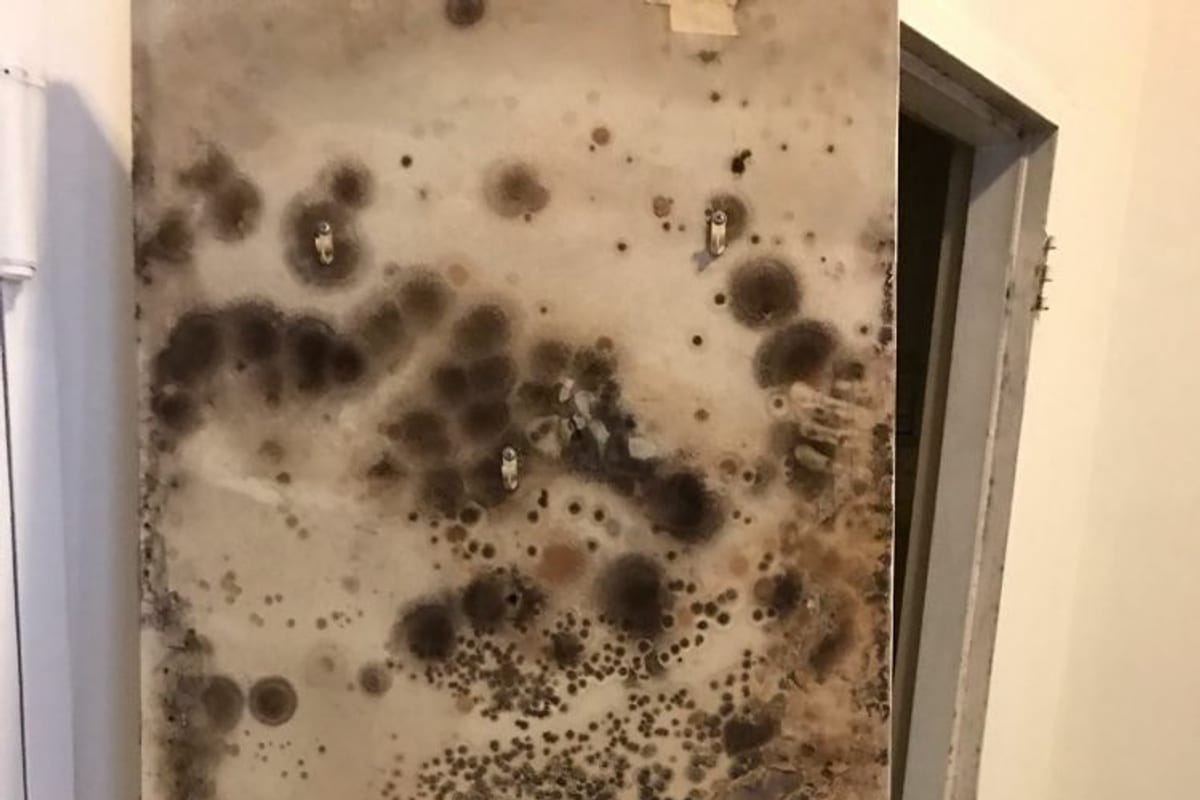
After a leak or flood, time decides whether you have a drying job or a mold job. These signs mean water may still be in the structure even if the floor looks dry.
Water damage work is mostly drying. What gets removed depends on how long materials were wet and whether the water was clean, grey, or from outside.
Standing water is pumped and extracted from floors, carpet, and basements. Fast extraction matters because EPA says mold can start growing on wet materials within 24 to 48 hours.
Air movers and dehumidifiers dry framing, subfloor, and walls. Moisture readings are logged each visit until materials reach normal dry levels.
Moisture meters and thermal imaging trace how far water traveled inside walls, under flooring, and into ceilings. Hidden wet areas get dried or opened before mold starts.
Soaked carpet pad, drywall, and insulation that cannot be dried in time are removed. Porous materials touched by sewage or outside floodwater are removed, as IICRC S500 water damage guidance calls for.
If growth has already started, the area is contained and cleaned with HEPA equipment under IICRC S520 and EPA guidance. The moisture source is fixed before rebuild.
You get dated photos, moisture logs, drying records, and an itemized scope. That paperwork helps your adjuster see what happened and when.
Is water still coming in? Stop it at the source if you can safely, then call.
📞 Call (717) 256-4434EPA puts the window at 24 to 48 hours. Inside it, wet materials can usually be dried and kept. Past it, drywall, carpet pad, and insulation have generally started growing and become removal rather than drying, which is a far larger and more expensive job.
What the water was matters as much as how long it sat. Clean supply water, grey water from an appliance, and contaminated water from a sewer backup or a storm are handled as three different categories, and the category decides what can be dried and saved and what has to leave the building regardless of how quickly you called.
When water gets in from a storm, a failed sump pump, or a burst pipe, the clock starts. EPA says mold can start growing on wet materials within 24 to 48 hours, and humid summer air slows natural drying. Drying follows the IICRC S500 water damage standard, and any mold work follows EPA mold cleanup guidance and IICRC S520.
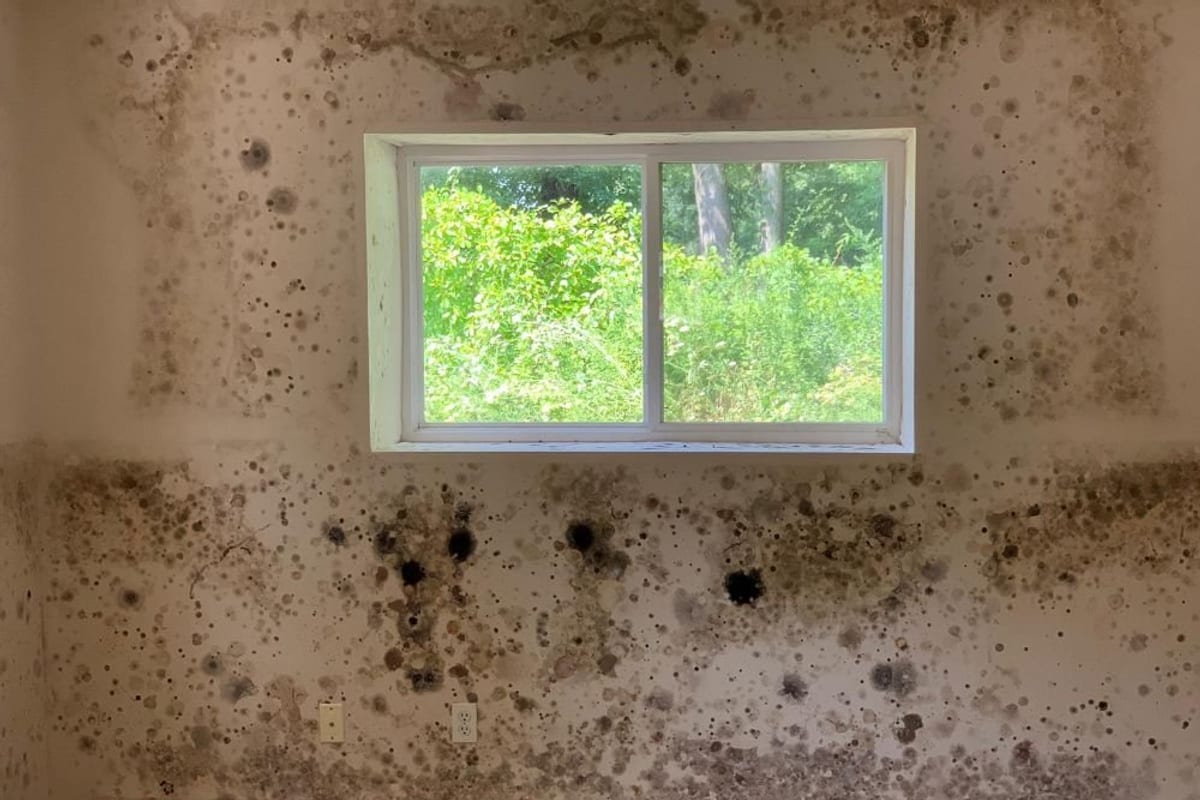
The first hours matter most. The process moves from stopping the water to extraction, drying and daily moisture readings, and only then to any rebuild.
The phone line is answered 24/7. On the call we tell you how to shut off the supply and what to move or photograph now, because those first minutes affect both the damage and the claim.
Standing water is extracted before drying starts, because pulling water out is far faster than evaporating it. We then categorise the water, which determines what is dried and what has to be removed.
Air movers and dehumidifiers are placed for the actual space rather than scattered around, and readings are taken daily. The log is what proves the structure reached a dry standard, and it is what the adjuster wants.
When materials match unaffected areas nearby, drying is done. If growth already started, containment and HEPA removal follow, and the space is rebuilt or handed over clean and ready.
Ready for step one?
Call (717) 256-4434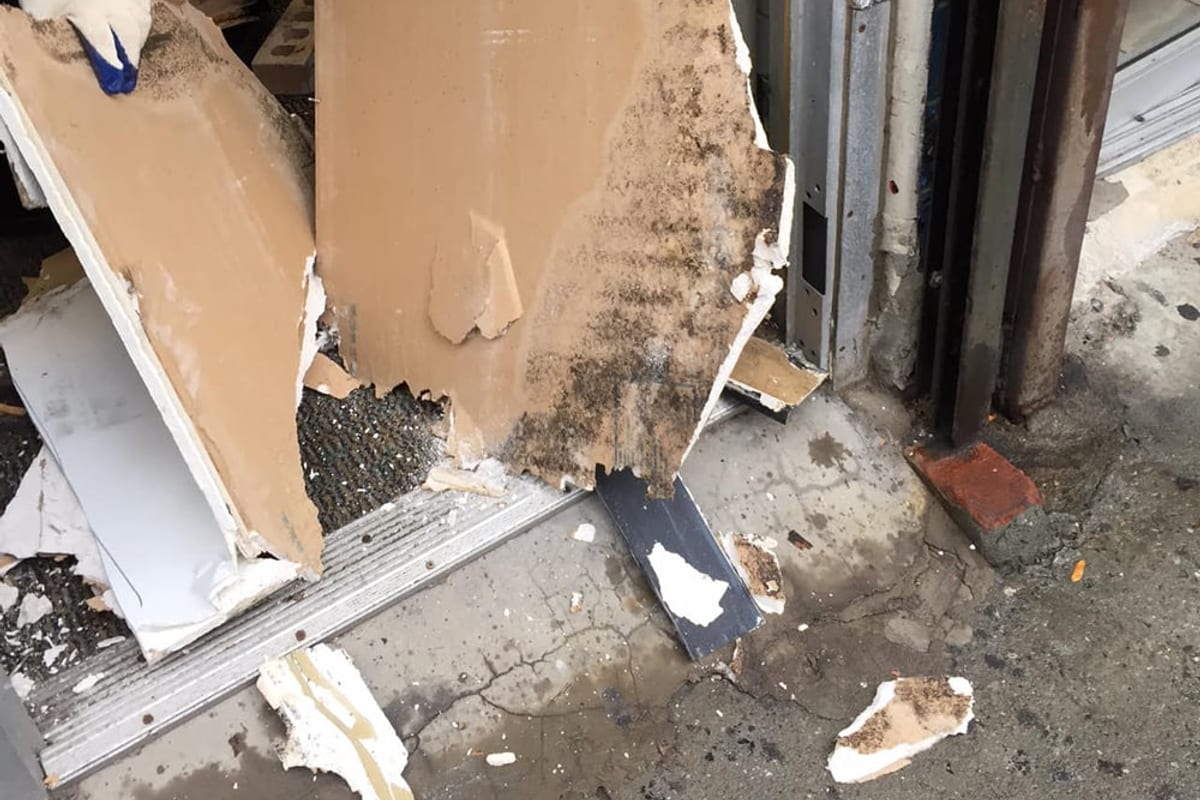
Drying is measured, not guessed. our team takes moisture readings every day until walls, floors and framing are back to normal, and keeps the log for your insurer.
Answers about how fast mold starts, how long drying takes, what can be saved, and what insurance usually covers after a leak. Don't see yours? Call and ask.
Mold can start growing within 24 to 48 hours on wet materials, according to the EPA. Drywall, carpet pad, and insulation are the first to grow mold. Drying wet materials inside that window is the best way to prevent mold after a leak in a Gettysburg PA home.
Question about your property? Call (717) 256-44345 steps help right away. 1) Stop the water at the main shutoff. 2) Turn off power to wet areas if you can do it safely. 3) Take photos before moving anything. 4) Move rugs, boxes, and furniture out of the water. 5) Call for drying help so materials are dry within 24 to 48 hours.
Question about your property? Call (717) 256-4434Extraction, structural drying, mold remediation and rebuilding are different cost items. The water source, contamination, affected materials and drying time determine the scope. Our national mold-remediation benchmarks do not price a complete flood restoration job. We inspect and provide an itemized quote for the property.
Read the national cost sources, calculation assumptions and exclusions.
Question about your property? Call (717) 256-4434Most structural drying takes 3 to 5 days. Hardwood floors, plaster walls, and stone foundations common in older Gettysburg homes can take longer. Drying is finished when moisture readings match unaffected areas, not on a fixed day count.
Question about your property? Call (717) 256-4434Yes, sometimes. Drywall wet with clean water from a supply line, and dried within 24 to 48 hours, can often stay in place. Drywall soaked by floodwater or sewage, drywall that sags, and drywall that already shows mold should be removed.
Question about your property? Call (717) 256-4434Yes. Outside floodwater and sewage backups are treated as Category 3 water under IICRC S500 because they can carry bacteria and other contaminants. Avoid skin contact, wear boots and gloves, and never step into water that may touch outlets or appliances.
Question about your property? Call (717) 256-4434Yes. Our phone line is answered 24/7. We tell you what to do right away to limit damage and schedule the first available visit in Gettysburg.
Question about your property? Call (717) 256-4434This is the scenario policies are built for, so coverage is far more likely here than on any other page of this site. A sudden, accidental discharge, a burst pipe, a failed supply line, an overflowing appliance, is typically covered, and mold that results from that covered loss is usually covered too, though often up to a separate mold cap. Two things commonly cause denials: flooding from outside, which needs separate flood insurance, and delay, because an insurer can argue that mold which grew after you failed to act was preventable. Call quickly and keep the documentation.
Question about your property? Call (717) 256-4434Call as soon as the water is stopped. Getting drying equipment in within the first day or two is the best way to avoid mold entirely.