
Signs of Mold in Your House: A Room-by-Room Checklist
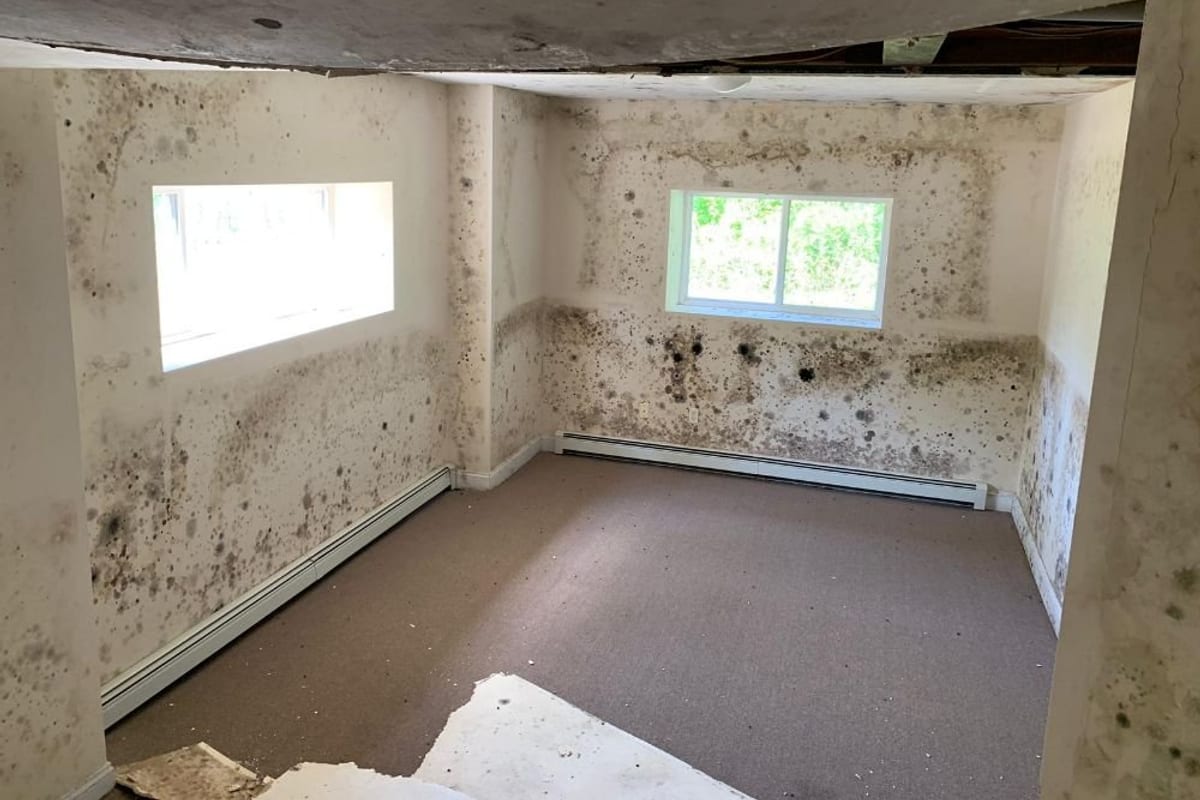
The most reliable signs of mold in a house are a musty smell that keeps coming back, stains that reappear after you clean or paint, materials that warp, swell or peel, recurring condensation, and allergy-like symptoms that ease when you are away from home. Any one of these means something in the house is staying damp, and the moisture is what you need to find.
This guide is a starting point. It covers the general warning signs, a room-by-room checklist with a table you can walk the house with, and links to our more detailed guides for each problem area, plus when to bring in a professional.
The General Warning Signs
Before going room by room, here are the signs that apply anywhere in a house.
1. A musty smell
Mold gives off odors that most people describe as musty, earthy or like a damp basement. A smell that is stronger after rain, in summer, when the air conditioning first runs, or in one room is a strong clue. If you can smell it but cannot see anything, read musty smell in the house but no visible mold.
2. Stains that come back after painting
A water stain or dark spot that bleeds back through fresh paint within weeks or months usually means the material is still getting wet or the growth is behind the surface. Paint does not fix either.
3. Warping, swelling and peeling
- Paint or wallpaper that bubbles or peels.
- Drywall that feels soft or crumbles at the bottom.
- Baseboards that swell or pull away from the wall.
- Wood floors that cup or laminate that swells at the seams.
- Doors and drawers that suddenly stick in one room.
4. Condensation that keeps happening
Water on windows, pipes, toilet tanks or walls most mornings tells you indoor humidity is high or a surface is unusually cold. The EPA recommends keeping indoor relative humidity between 30% and 50%. An inexpensive digital hygrometer tells you where you stand.
5. Visible growth, even small spots
Small spots on a ceiling, a window frame or the back of a closet are often the visible edge of a bigger damp area. Our guide on what mold colors tell you helps with white, green and pink growth, and mold vs. mildew helps sort surface growth from deeper growth.
6. A history of water
A past leak, flood, sump failure, burst pipe or roof problem, especially one that was not dried within 24-48 hours, is a sign in itself. The EPA’s guide to mold, moisture and your home says drying wet materials within that window is the key to preventing growth.
7. Symptoms that ease when you leave
The CDC notes that mold can cause stuffy nose, wheezing, coughing, red or itchy eyes and skin irritation in sensitive people, and can be more serious for people with asthma or weakened immune systems. If those symptoms are consistently worse at home and better at work, on vacation or outdoors, that pattern is worth noting. Symptoms are not proof of mold, since dust, pets, pollen and other irritants cause them too, so talk to a doctor about health concerns. Our guide on mold exposure symptoms in kids and older adults covers what the CDC says about higher-risk groups.
Room-by-Room Checklist
Walk the house with this table. Check each item and note anything that applies.
| Room or area | Signs to look for | Detailed guide |
|---|---|---|
| Basement | Musty smell, white crust or fuzz on walls, damp stored boxes, growth on joists, humidity above 60% | Basement mold in older homes |
| Finished basement | Stains low on drywall, swollen baseboards, odor in carpet, ceiling stains | Signs of mold behind drywall |
| Crawl space | Wet or torn vapor barrier, growth on joists, standing water, odor upstairs | Vapor barrier vs. encapsulation |
| Floor framing | Dark or fuzzy joists and subfloor seen from below | Mold on floor joists and subfloor |
| Kitchen | Swollen sink base, stains under sink, odor behind dishwasher or refrigerator | Mold under the kitchen sink |
| Bathrooms | Growth on ceiling and grout, peeling paint, soft wall near tub, weak fan | Mold vs. mildew |
| Bedrooms | Spots in outside corners, growth behind dressers and beds | Winter condensation mold on walls |
| Closets | Growth on back wall, musty clothes, mold on shoes and bags | Mold in closets |
| Windows | Water on glass most mornings, dark spots on sills, soft wood | Mold on window sills |
| Ceilings | Rings or stains, spots near the bathroom, top-floor growth in winter | Mold on the ceiling |
| Attic | Dark roof sheathing, damp or matted insulation, frost on nails in winter | Attic mold in Gettysburg homes |
| Floors | Cupped boards, swollen laminate, odor under vinyl plank | Mold under hard flooring |
| Carpet | Odor, damp pad, stains at edges after a leak | Mold in carpet |
| HVAC | Musty smell when system starts, growth around vents, wet drain pan | Mold in air ducts |
| Exterior walls | Stains below windows inside, rot at trim, bulging siding | Mold under vinyl siding |
| Belongings | Musty clothes, spots on leather, furniture against outside walls | Mold on clothes and furniture |
How to Walk the House
Use your nose and a flashlight first, and your hands second. A few tips that make a walk-through more useful:
- Go on a humid day or right after rain, when smells and damp spots are strongest.
- Start in the basement or crawl space, then work up. Moisture problems often start low.
- Open cabinet doors under every sink and look at the back and floor of the cabinet.
- Pull furniture a few inches away from outside walls and look behind it.
- Check closets on outside walls with the door shut for a while, then open and smell.
- Shine a flashlight at a low angle across walls and ceilings to show stains and texture changes.
- Look in the attic with a flashlight at the underside of the roof deck.
- Write it down, with photos, so you can compare over time or share with an inspector.
Useful inexpensive tools
- Digital hygrometer to measure relative humidity in each area.
- Pin or pinless moisture meter to compare a suspect wall or floor against a known dry area.
- Infrared thermometer to find cold wall spots in winter.
- Flashlight with a strong, focused beam.
Signs That Are Often Mistaken for Mold
Not everything dark or white is mold. Common look-alikes:
- Efflorescence: white, crystalline crust on masonry that dissolves in water.
- Soot and dust ghosting: dark lines on walls and ceilings over studs, joists or near vents.
- Water stains: brown or yellow rings without fuzzy texture.
- Pink bathroom film: usually bacteria, not mold.
Look-alikes still often point to moisture or air movement worth fixing.
Older Homes Need a Closer Look
Older housing is common in this area. U.S. Census Bureau ACS 2020-2024 5-year estimates show 47.5% of Gettysburg borough’s housing units were built before 1940, compared with 17.5% for Adams County and 25.0% statewide. Stone foundations, plaster walls, original windows and uninsulated walls all change where and how mold shows up. Our guides on historic Gettysburg homes and mold and mold on plaster walls cover those houses.
When to Call for an Inspection
Call for a mold inspection when the signs point to a problem you cannot see or measure yourself. That includes:
- A musty smell that persists after cleaning and drying.
- Stains that return after painting.
- Visible growth larger than about 10 sq ft (0.9 m²), the EPA’s general limit for homeowner cleanup.
- Signs in several rooms.
- A past leak or flood that was not dried quickly.
- Symptoms that ease when you leave, particularly for someone with asthma or a weakened immune system.
- Buying, selling or renting a home where mold may be an issue.
Our guide on mold inspection vs. mold testing explains when lab testing helps and when it does not.
Frequently Asked Questions
What are the first signs of mold in a house?
A musty smell and small spots of growth in damp areas such as bathrooms, basements and closets are usually the first signs. Condensation on windows and walls is often an early warning that humidity is high enough for mold.
Can you have mold without seeing it?
Yes. Mold can grow inside wall cavities, under flooring, on the back of drywall, in HVAC equipment and in attics. A persistent musty smell is often the only sign. A moisture-focused inspection can find it without opening walls at random.
Do I need a mold test to know if I have mold?
Usually not. The EPA says that if you can see or smell mold, sampling is generally unnecessary, because the response is the same: fix the moisture and remove the growth. Testing helps for specific questions.
How fast does mold grow after a leak?
The EPA advises drying wet materials within 24-48 hours to prevent growth. Materials that stay wet longer than that are at much greater risk.
Next Step
If your walk-through turned up signs you cannot explain, a mold inspection with moisture readings and thermal imaging can find the source. Contact us to schedule one.