
Joist & Subfloor Cleaning
Floor joists, beams, sill plates, and subfloor are HEPA vacuumed, wire brushed or sanded, and damp wiped. Wood is dried to normal moisture readings before any vapor barrier goes down.
Floor joists, subfloor, and sill plates treated, then sealed with a vapor barrier. A vapour barrier stops ground moisture from feeding new growth after we leave. We clean the joists and subfloor, then cover the soil with a sealed vapor barrier so the ground stops feeding the moisture.
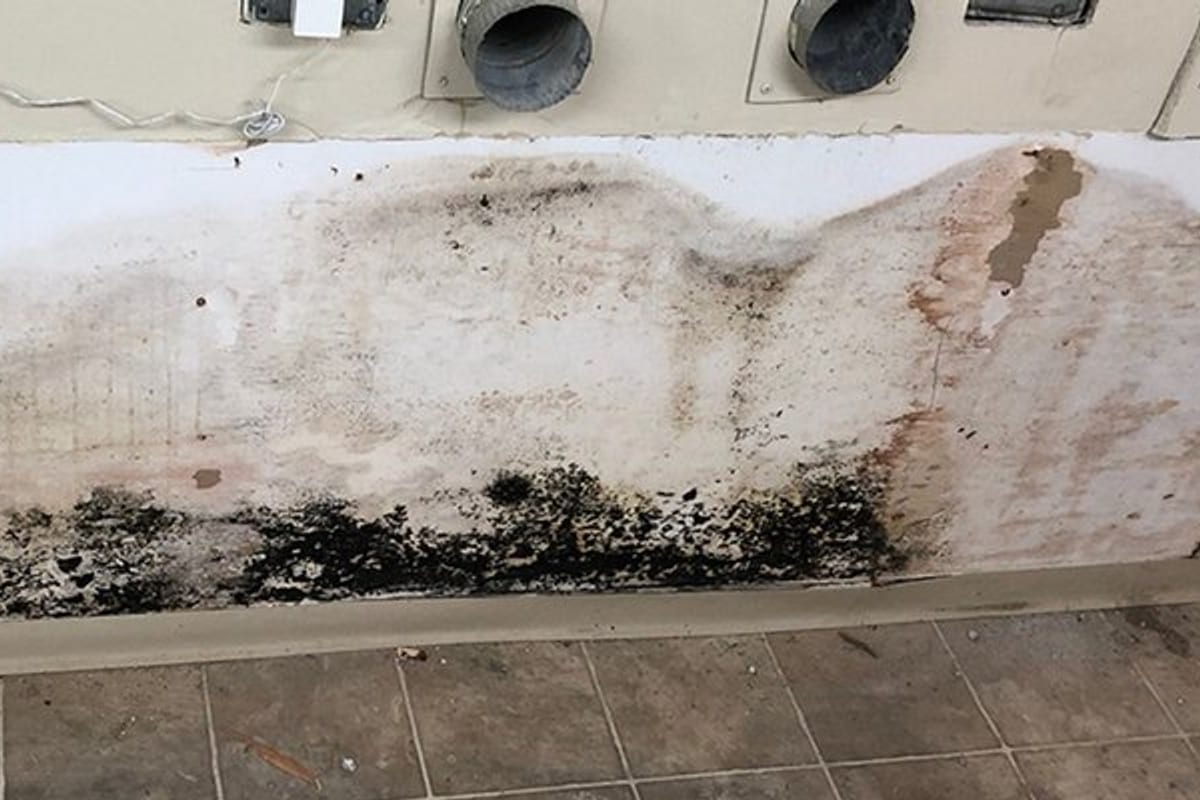
A crawl space shares its air with the house above, so what grows down there often shows up as a smell upstairs. These are the signs that the crawl space is too damp.
Crawl space work is cleaning plus moisture control. The inspection looks at the soil, the vents, the framing and any ductwork running through the space.
Floor joists, beams, sill plates, and subfloor are HEPA vacuumed, wire brushed or sanded, and damp wiped. Wood is dried to normal moisture readings before any vapor barrier goes down.
Polyethylene sheeting, 6-mil (0.15 mm) or thicker, covers the soil with overlapped, taped seams. The barrier stops water vapor from the ground from feeding new growth on the wood above.
A heavier liner covers the floor and walls, vents are sealed, and the space is dried by a dehumidifier or conditioned air. Encapsulation only goes in after water entry is fixed.
Standing water is pumped out and the source is traced to gutters, grading, or groundwater. Options such as a sump pit or interior drain are listed on your written quote when needed.
A dehumidifier rated for crawl spaces holds humidity down through humid Pennsylvania summers. Its drain line runs to a sump or outside so it never needs emptying.
Wet, moldy, or fallen fiberglass batts between joists are removed and bagged. Wall insulation options are reviewed once the crawl space is dry and sealed.
Know what is under your crawl space: bare dirt, gravel, or plastic? That is a good first question.
📞 Call (717) 256-4434An open dirt floor gives off water continuously. Even ground that looks and feels dry releases vapour into the crawl space every day of the year, and there is nothing above it to carry that moisture away. The joists, subfloor, and ductwork sit directly in it.
The traditional fix, foundation vents, works against you for much of the year here. On a humid July day, outdoor air brought into a crawl space that sits around 60°F is already past its dew point, so it condenses on the coolest surfaces: the joists, the pipes, and the underside of the floor you walk on.
Crawl spaces under additions and older homes often have bare dirt floors. The soil releases moisture all year, and vented crawl spaces pull in humid summer air that condenses on joists, pipes, and ducts. Work follows EPA mold cleanup guidance and the IICRC S520 standard, with a vapor barrier to stop the ground from re-wetting the space.
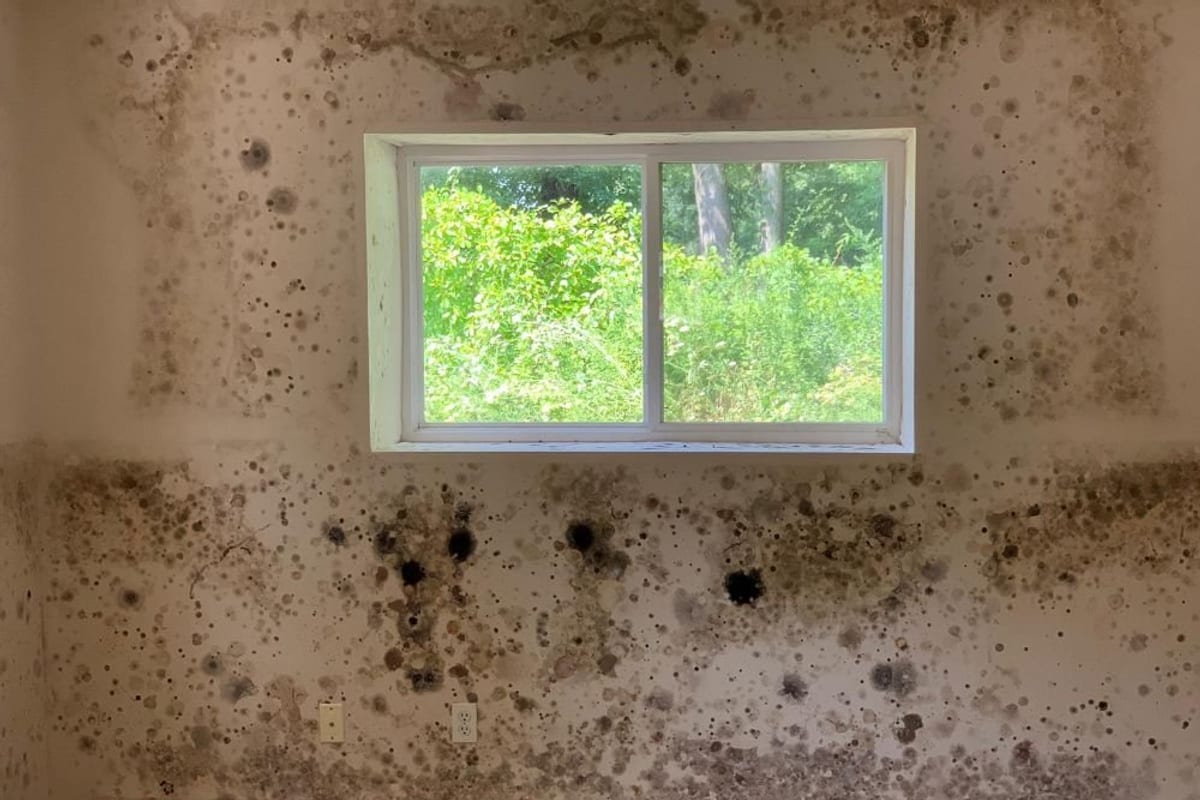
Tight spaces slow the work, so the process is planned from the access point in. Cleaning comes first, then the barrier and drying so it stays clean.
Crawl spaces are inspected properly, not from the hatch. We read moisture at the joists, the subfloor, and the sill, check the soil, and photograph everything so you can see what we saw.
Debris, old failed plastic, and wet insulation are bagged and removed first. The access is controlled and HEPA filtration runs, because crawl space air ends up in the house through the floor.
Joists, sill plates, and the underside of the subfloor are HEPA vacuumed and brushed, with an antimicrobial applied to cleaned wood where it is appropriate. Insulation that is wet or fallen is replaced, not stuffed back.
A 6-mil vapour barrier goes down over the soil and is lapped and run up the piers and walls. Then we discuss whether your crawl space should stay vented or be sealed and conditioned, and what each option asks of you.
Ready for step one?
Call (717) 256-4434
A crawl space stays clean only if the soil and summer air stop wetting it. Gettysburg Mold Remediation Pros seals the ground with a vapor barrier and deals with vents and drainage on every crawl space job.
Answers about vapor barriers, open or closed vents, encapsulation, musty floors, and insurance for crawl space mold. Don't see yours? Call and ask.
The quote depends on affected framing, crawl-space height, access and drying requirements. Confirm vapor barriers, drainage and full encapsulation as separate scope items. Our cost guide compares national references with explicit assumptions; it does not claim a verified local Gettysburg average. The written estimate follows inspection.
Read the national cost sources, calculation assumptions and exclusions.
Question about your property? Call (717) 256-4434Ground moisture, leaks and humid air can keep crawl-space framing damp. Bare soil can release water vapor, while incoming humid air may condense on cooler joists, pipes and ducts. Check soil coverage, drainage, leaks and humidity together rather than assuming there is a single cause.
Question about your property? Call (717) 256-4434Yes. Air from the crawl space moves up into the living space through gaps in the floor, around pipes, and through ductwork. That air carries musty odors and spores. Cleaning the crawl space and sealing the soil reduces what reaches the rooms above.
Question about your property? Call (717) 256-4434No, not always. In many crawl spaces, a sealed vapor barrier over the soil plus fixing water entry is enough. Full encapsulation with a dehumidifier makes sense when humidity stays above 60% after the barrier is installed, or when ducts and a furnace sit in the crawl space.
Question about your property? Call (717) 256-4434Closed, but only in a crawl space that is sealed and dried. Open vents let humid summer air in, which can raise moisture levels. Closing vents works only when the soil is covered with a sealed vapor barrier and the space has a dehumidifier or conditioned air. Do not simply close vents over a dirt floor.
Question about your property? Call (717) 256-4434Most crawl space mold cleaning takes 1 to 3 days. A vapor barrier or full encapsulation usually adds 1 to 2 days. Tight crawl spaces with low clearance take longer than open ones.
Question about your property? Call (717) 256-4434No, not easily. EPA guidance allows homeowners to clean areas under about 10 sq ft (0.9 m²), but crawl space growth usually covers many joists. Tight access, sharp debris, and poor air flow also make proper protective equipment and HEPA cleanup hard to manage.
Question about your property? Call (717) 256-4434Almost never when the cause is ground moisture, because insurers treat soil vapour and humidity as a condition of the property rather than a sudden loss. A burst pipe or a failed water heater in the crawl space is a different matter and is often covered. Worth checking separately: if the crawl space holds ductwork and the mold reached the HVAC system, some policies handle that under a different part of the claim. We document the cause so you can find out rather than assume.
Question about your property? Call (717) 256-4434Get the crawl space checked before the smell reaches the rooms above. We will show you photos of what is under the house and quote the fix in writing.