
Mold vs. Mildew: How to Tell the Difference and When It Matters
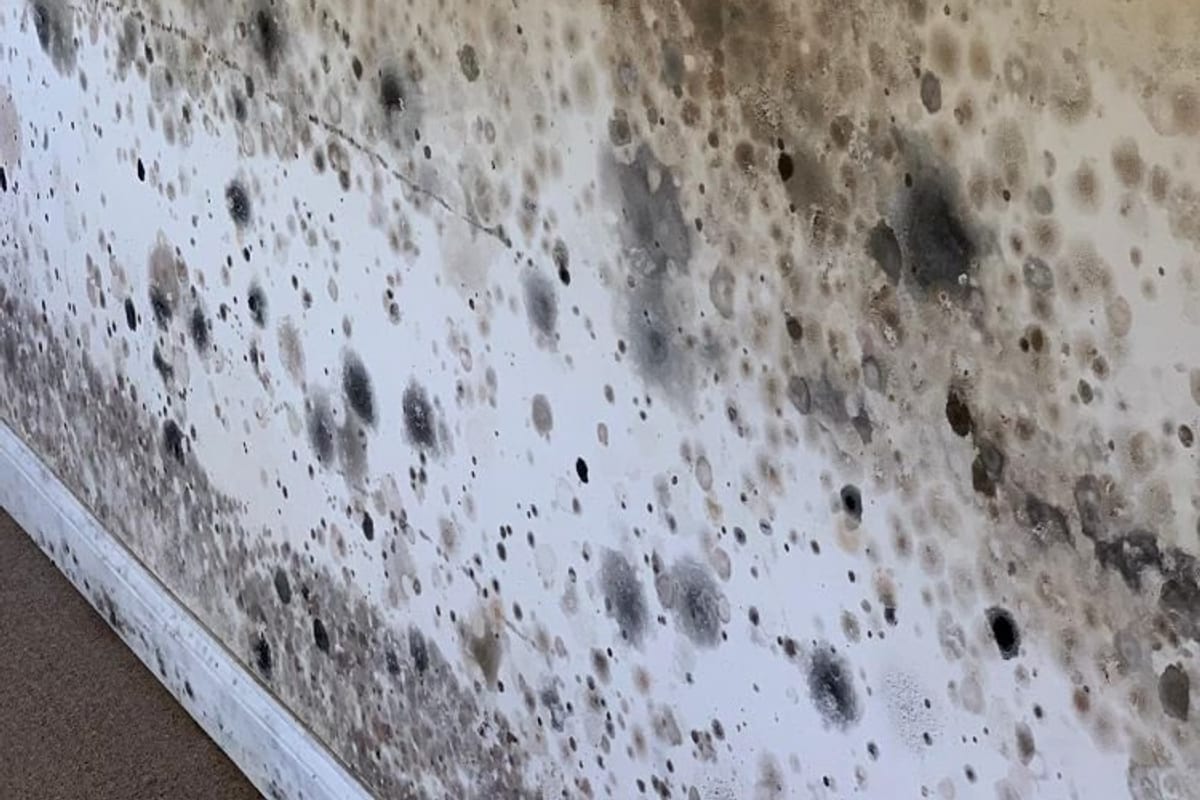
Mildew is not a separate organism from mold; it is the everyday name for mold that grows flat on the surface of something, like shower grout or a window sill, while “mold” usually means growth that has rooted into a material such as drywall, wood or fabric. The difference that matters is not the name but where the growth is: on a surface you can wipe clean, or inside a material that has to be removed.
This guide covers what each term really means, how to tell surface growth from deeper growth and from plain dirt, how the bleach dot test works and where it misleads, where each tends to grow, and when the distinction changes what you should do.
What the Words Mean
Mold is a broad term for many kinds of fungi that grow as fine threads called hyphae and spread by spores. “Mildew” is used two ways:
- In everyday use, mildew means thin, flat, powdery or spotty mold growth on a surface, often gray, white or black. It is what most people call the dark speckles on shower caulk or the gray film on a damp basement shelf.
- In gardening and agriculture, powdery mildew and downy mildew are specific plant diseases. They grow on leaves, not on bathroom walls, and are not what you find in a house.
So when someone says “it’s just mildew,” they usually mean “it’s mold that hasn’t gotten into the material yet.” That can be true, and it is a good thing when it is. But the same species can grow flat on tile in one spot and deep into drywall paper a few inches away.
Surface Growth vs. Growth in the Material
The useful question is whether you are looking at growth on a non-porous or sealed surface, or growth in a porous material.
| Surface growth (“mildew”) | Growth into the material (“mold”) | |
|---|---|---|
| Typical look | Flat, powdery or speckled, often gray, white or black | Fuzzy, raised, or stains that spread and deepen |
| Common surfaces | Tile, glass, sealed grout, painted trim, vinyl, plastic | Drywall paper, wood, ceiling tiles, carpet, fabric, unsealed grout and caulk |
| After wiping | Comes off; surface looks clean | Stain remains or quickly returns |
| Smell | Mild or none | Often musty, stronger on damp days |
| Usual cause | Surface condensation, poor ventilation | Repeated wetting, leaks, sustained high humidity |
| Usual fix | Clean and dry; improve ventilation | Remove porous material; fix moisture source |
The EPA’s guidance says hard surfaces can be scrubbed with detergent and water and dried, while porous materials such as ceiling tiles and carpet may need to be thrown away if they are moldy. That is the practical line between “mildew” and “mold.”
Mold, Mildew or Dirt? Simple Checks
Before cleaning anything, figure out what you are looking at.
1. Look closely
Use a flashlight held at a low angle. Mold and mildew usually have a pattern: spots that cluster, spread outward from a center, or follow a damp area. Dirt and soot tend to be uniform, follow air movement (such as streaks above a vent), or collect on horizontal edges.
2. Check the location
Ask whether that spot gets wet. The top edge of a shower surround, the corner of a ceiling over the tub, the bottom of a window, a cold closet wall: all likely mildew spots. A dark line along the ceiling above a heat register or a candle-burning spot may be soot.
3. Smell
Bring your nose close. A musty, earthy smell points to fungal growth. No smell does not rule it out on dry surfaces, but a strong smell usually means growth beyond what you can see.
4. The bleach dot test
A common home check: dab a cotton swab dipped in diluted household bleach (roughly 1 part bleach to 16 parts water) onto the spot and wait a couple of minutes.
- If the spot lightens quickly, it is likely mold or mildew.
- If it does not change, it is more likely dirt or soot.
Why the bleach dot test is limited
The test is a rough clue, not a diagnosis.
- It does not tell mold from mildew. Both lighten. The test only separates biological growth from some kinds of dirt.
- Bleaching is not killing. A lightened spot does not mean the growth is gone, especially in porous material. Our guide on whether bleach kills mold explains why.
- Some dirt lightens too, and some stains from long-dead growth do not.
- It can damage finishes. Bleach can discolor paint, fabric, wood and grout. Test where it will not show.
- Fumes. Do it with ventilation. Never mix bleach with ammonia, vinegar or other cleaners.
If you are unsure, it does not change much. The EPA notes that identifying the type of mold is usually unnecessary, because the response is the same: clean or remove it, and fix the moisture.
Where Each Tends to Grow
Usually surface mildew
- Shower grout, caulk lines and tile.
- Bathroom ceilings and the tops of walls over the tub.
- Window glass, frames and sills in winter. See mold on window sills.
- Painted basement walls and shelving.
- Shower curtains and liners.
- Exterior siding on the north side. See mold on exterior siding.
More often growth into the material
- Drywall behind a shower or tub that leaks. See signs of mold behind drywall.
- Cabinet bottoms under sinks. See mold under the kitchen sink.
- Caulk that has turned black from inside the bead.
- Carpet pad, upholstered furniture and clothing.
- Wood framing and subfloor in basements and crawl spaces.
Bathroom Mildew Specifically
Bathrooms are the most common place for mildew complaints, and most of them come down to ventilation.
- Run the exhaust fan during every shower and for about 20 minutes afterward.
- Check that the fan actually moves air. Hold a single square of toilet paper to the grille. It should be pulled flat against it.
- Confirm the fan vents outdoors, not into the attic. Our guide on bathroom fans venting into the attic explains why that matters.
- Squeegee or towel off the shower walls after use.
- Leave the shower curtain spread out and the door open to dry.
- Replace caulk that has turned black inside the bead. Cleaning will not reach growth inside the caulk.
- Wash or replace shower liners regularly.
Pink or orange film on grout and drains is usually a bacterium, not mildew, and is covered in our guide on white, green and orange mold colors.
When the Difference Matters
It matters most when it changes the cleanup. Surface mildew on a sealed surface is a cleaning job. Growth into a porous material usually means removing the material and fixing a moisture source.
Signs you are past simple mildew:
- It comes back within days or a couple of weeks after a thorough cleaning.
- The material is soft, swollen, peeling or crumbling.
- The stain is on drywall, ceiling tile or wood and does not wipe off.
- The area is larger than about 10 sq ft (0.9 m²), the size the EPA suggests is generally the limit for homeowner cleanup.
- There is a musty smell beyond the visible spot.
- Someone in the home has asthma, allergies or a weakened immune system. The CDC notes that mold can trigger symptoms in sensitive people.
For larger or recurring growth, see our guide on whether DIY mold removal is safe.
Frequently Asked Questions
Is mildew less dangerous than mold?
Mildew is mold, so the health considerations are similar. Surface mildew is usually smaller in area and easier to clean, so there is often less of it to worry about. The CDC’s guidance on mold in homes applies to mold generally, whatever it is called.
Does mildew turn into mold?
Not in the sense of becoming a different organism. Surface growth that keeps getting moisture can spread and work its way into porous materials such as caulk, drywall paper or wood, at which point it becomes harder to clean.
What should I clean mildew with?
For hard surfaces, the EPA recommends detergent and water, then drying the area completely. Commercial bathroom cleaners labeled for mildew also work on tile and grout. Follow the label and keep the room ventilated.
Why does mildew keep coming back on my bathroom ceiling?
Usually because moisture from showers is not being removed. Check that the exhaust fan works, vents outside and is used for long enough. A cold ceiling under an uninsulated attic area can also collect condensation.
Bathroom and Kitchen Mold That Will Not Stay Gone
If mildew keeps returning, or the growth has moved into drywall, caulk or cabinets, our bathroom and kitchen mold removal service covers removal of damaged materials and the ventilation or leak problem behind it. Contact us to have it looked at.