
Preventing Mold in Vacant and Second Homes
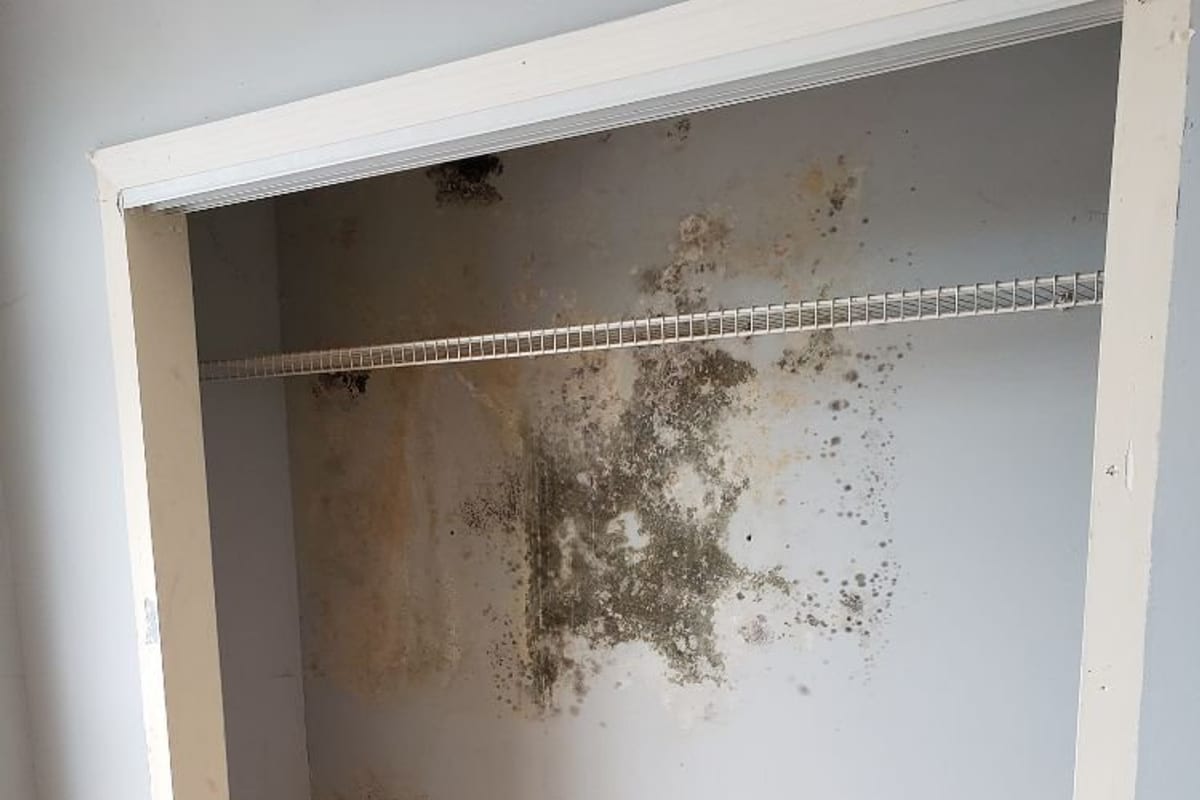
To keep a vacant or second home from growing mold, hold indoor relative humidity below 50% with a continuously draining dehumidifier and some air movement, keep the house heated in winter, shut off or monitor the water supply, and use Wi-Fi sensors so you hear about a leak or humidity spike within hours instead of weeks. A closed-up house has no one to notice a drip, a musty smell or a wet floor, so the systems have to do the noticing.
This guide covers why empty houses grow mold, a pre-departure checklist, how to set up a dehumidifier and sensors, winter and summer differences, and what to check when you come back.
Why Closed-Up Houses Grow Mold
An occupied house gets constant small corrections. Someone runs the bathroom fan, opens a window on a dry day, notices a leak, or just moves air around by walking through rooms. A vacant house loses all of that.
Mold needs 3 things: a food source like wood, drywall paper, dust or fabric, a mild temperature, and moisture. The food and temperature are always there. Moisture is the one you can control, and a closed house tends to gain it through:
- Humid summer air that leaks in and condenses on cool basement walls, slabs and ductwork.
- Air conditioning turned off, which removes the main way a house sheds moisture in summer.
- Plumbing leaks that run for days or weeks before anyone sees them.
- Roof and window leaks during storms while the house is empty.
- Sump pump failures during a power outage.
- No air movement, so damp pockets form in closets, behind furniture and in basement corners.
Newer homes are not immune
People are sometimes surprised to find mold in a house built in the 1990s. Newer construction is often tighter, which is good for energy use but means moisture has fewer ways out when no one is running fans.
Carroll Valley and Lake Heritage are good local examples. According to U.S. Census Bureau ACS 2020-2024 5-year estimates, only 2.2% of homes in Carroll Valley borough were built before 1940, with a median year built of 1993, and Lake Heritage has a median year built of 1988 with just 1.1% pre-1940. These are much newer housing stocks than Gettysburg borough, where the median year built is 1942. Newer homes still grow mold when they are closed up with the air conditioning off through a humid Pennsylvania summer.
The Humidity Target
Keep relative humidity between 30% and 50%, and never let it sit above 60% for long. That range comes from the EPA’s Brief Guide to Mold, Moisture and Your Home. In a vacant house, aim for the lower half of that range in summer, around 45%, because no one is there to catch a slow climb.
Basements and crawl spaces are where humidity runs highest. Our basement dehumidifier size guide explains how to pick capacity based on square footage and how damp the space is.
Pre-Departure Checklist
Use this list every time you close the house for more than a week or two.
Water
- Shut off the main water valve, or at least the supply to the water heater and washing machine, unless an irrigation system or fire sprinkler needs it.
- Open a faucet briefly after shutting the main to relieve pressure.
- Set the water heater to vacation mode, following the manufacturer’s directions.
- Check under sinks and behind toilets for slow drips before you leave.
- Test the sump pump by pouring a bucket of water into the pit. Our sump pump failure guide covers backups and alarms.
Air and humidity
- Set the thermostat, not off. In summer, air conditioning set around 78-80°F still removes moisture. In winter, many insurers and plumbers suggest keeping heat at 55°F or higher to protect pipes.
- Run a dehumidifier in the basement with a drain hose to a floor drain, sump pit or condensate pump, so it never stops when a bucket fills.
- Set the HVAC fan to circulate or schedule it to run periodically so air does not stagnate.
- Leave interior doors and closet doors open so air can reach every room.
- Pull furniture a few inches off exterior walls.
Surfaces and contents
- Empty and dry the refrigerator if you unplug it, and prop the door open.
- Do not leave damp towels, swimsuits or laundry in the house.
- Store linens and clothes in breathable containers, not sealed plastic bins in a damp basement. Our guide to mold on clothes and furniture covers what to do if they are already affected.
- Keep cardboard boxes off basement floors.
Outside
- Clean gutters and check downspout extensions before the season you will be away.
- Make sure the ground slopes away from the foundation.
- Arrange for someone to check the house after major storms, ideally a neighbor with a key.
Smart Sensors Worth Installing
Sensors are the closest thing to having someone home. Most connect to a phone app over Wi-Fi and send an alert when a reading crosses a set point.
| Device | Where to put it | What it catches |
|---|---|---|
| Water leak sensor | Under sinks, behind toilets, next to the water heater, by the washing machine, near the sump pit | Leaks and overflows within minutes |
| Temperature and humidity sensor | Basement, crawl space, main living area, attic access | Humidity creeping above 50-60%, heat failure in winter |
| Smart water shutoff valve | On the main water line, installed by a plumber | Shuts water off automatically when a leak is detected or flow runs too long |
| Sump pump alarm | In or near the sump pit | High water level or pump failure |
| Power outage alert | Plugged into an outlet | Power loss that stops the dehumidifier, sump pump or heat |
A few practical tips:
- Set humidity alerts at around 55-60%, so you hear about a problem before it becomes growth.
- Check that alerts actually reach your phone before you leave. Trigger a leak sensor with a damp paper towel.
- Keep the internet connection on, or choose sensors with a cellular backup.
- Replace batteries on a schedule, for example every spring and fall.
Seasonal Differences
Summer
Summer is the highest-risk season for mold in a vacant house. Humid outdoor air reaches cool basement walls and slabs, and the dew point is often high enough to cause condensation. Keep the air conditioning on at a moderate setting, keep the dehumidifier running, and keep windows closed. Opening windows “to air the house out” on a humid day usually adds moisture.
Winter
The bigger winter risk is frozen pipes. A burst pipe in an empty house can release a large amount of water before anyone notices, and that becomes a mold problem within 24 to 48 hours. Keep heat on, shut off water if you can, and install a temperature alert. Our guide to mold after water damage covers what to do if that happens.
Spring and fall
These seasons bring heavy rain and, in our area, the occasional tropical storm remnant. FEMA NFIP claims data, as of Sept 8, 2026, shows 400 flood claims in Adams County since 1978, with the peak year in 2011, when Tropical Storm Lee hit in September. Check the sump pump and gutters before you leave in spring and fall.
Insurance and Vacancy
Many homeowners policies treat a “vacant” or “unoccupied” home differently, and some limit coverage after the house has been empty for a set period. Second homes may need a separate seasonal or dwelling policy. This is general information, not legal or insurance advice. Policies vary, so read your policy and ask your agent how long the house can sit empty and what conditions apply. Our guide on whether homeowners insurance covers mold in Pennsylvania explains common mold limits.
What to Check When You Return
Walk the house before you unpack. Look and smell for:
- A musty odor, especially in the basement, closets and bedrooms.
- Water stains on ceilings, under windows and around the water heater.
- Visible spots on walls, furniture, mattresses and closet contents.
- Condensation on windows or ductwork.
- Dehumidifier logs or sensor history showing humidity spikes.
If you find a small area of growth, less than about 10 sq ft (0.9 m²) on a hard surface, the EPA says a homeowner can usually clean it with detergent and water. A musty smell with nothing visible often points to hidden growth. Our guide to a musty smell with no visible mold explains where to look.
Frequently Asked Questions
What humidity should I leave my vacant house at?
Aim for about 45% in summer and keep it below 50% if you can. The EPA recommends 30% to 50% indoors and warns against sustained humidity above 60%.
Should I leave the air conditioning on in an empty house?
In a humid summer, yes, at a moderate setting such as 78-80°F. Air conditioning removes moisture as well as heat. Pair it with a basement dehumidifier, since the basement often stays damp even when upstairs feels dry.
Will a dehumidifier alone prevent mold in a closed house?
It helps a lot, but it is only one part. You also need it to drain continuously, some air movement, a working sump pump if you have one, and a way to catch leaks. A power outage stops the dehumidifier, so a power alert is worth adding.
How often should someone check on a vacant house?
Weekly is a common target, and always after heavy storms, high winds or a hard freeze. Many insurers also expect regular checks. Sensors reduce the risk between visits but do not replace them.
Get Ahead of It
If your seasonal or vacant home already smells musty or shows staining in the basement, deal with it before the next long closure. Read about our basement mold remediation work, and contact us to schedule an assessment before you lock up for the season.