
Mold Under Hardwood, Laminate and Vinyl Plank Flooring: Signs and What Can Be Saved
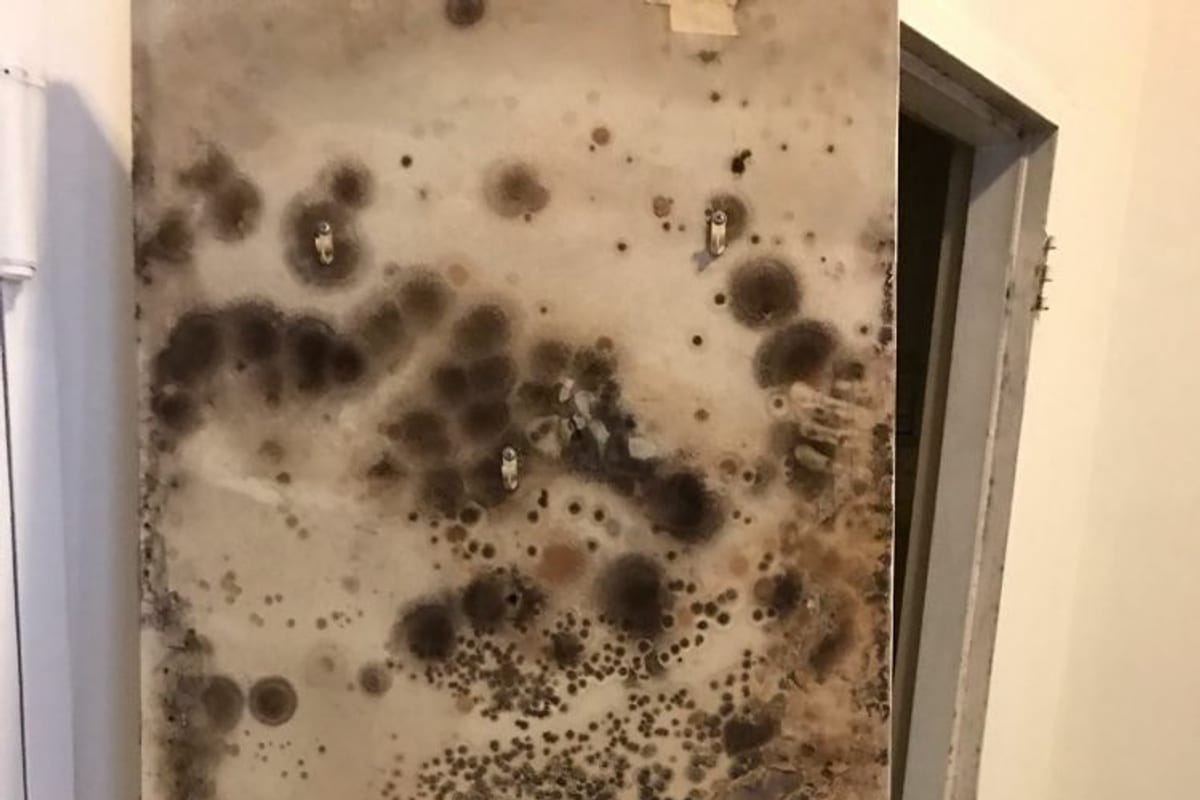
Mold under hard flooring usually announces itself through a musty smell, cupped or swollen boards, soft spots, or dark staining at seams and edges, and the floor type decides what can be saved: solid hardwood can often be dried in place if caught early, while swollen laminate and anything with mold on the underside usually has to come up. The subfloor or slab underneath is what needs to be checked either way.
This guide covers the warning signs for each type of hard flooring, how moisture gets under it, how the subfloor or concrete is tested, what can be dried or reused, and what to watch for in older homes. Carpet has its own guide, mold in carpet: clean or replace, so this one covers hard surfaces.
How Water Gets Under a Hard Floor
Hard floors hide water. Liquid that runs into a seam or under the edge has nowhere to go and can sit on the subfloor for weeks. Common sources:
- Appliance leaks. Dishwashers, refrigerator ice-maker lines and washing machines.
- Plumbing leaks under sinks and around toilets. See mold under the kitchen sink.
- Exterior doors with failed thresholds or flashing.
- Basement and slab moisture wicking up through concrete under floating floors.
- Crawl space humidity dampening the subfloor from below. See crawl space vapor barrier vs. encapsulation.
- Pipe bursts and flooding, where large amounts of water spread under the whole floor. See mold after water damage.
Warning Signs by Floor Type
| Sign | Solid hardwood | Engineered wood | Laminate | Vinyl plank / LVP | Sheet vinyl or tile |
|---|---|---|---|---|---|
| Cupping (edges higher than centers) | Classic sign of moisture from below | Common | Rare | No | No |
| Crowning (centers higher) | Often after cupping is sanded too soon | Possible | No | No | No |
| Buckling or lifting | Severe moisture | Yes | Yes, “peaking” at seams | Yes, if subfloor swells | Bubbles or lifting edges |
| Swollen edges or seams | Possible | Yes | Very common; does not shrink back | No; the plank is waterproof | No |
| Dark stains at seams | Yes, often from water and tannins | Yes | Yes | Rarely; staining shows under or at edges | Yellow or dark stains under the surface |
| Soft or spongy feel | Subfloor damage | Subfloor damage | Core and subfloor damage | Subfloor damage | Subfloor damage |
| Musty smell | Common | Common | Common | Very common, because the plank traps moisture | Common |
A note on “waterproof” vinyl plank
Vinyl plank and LVP are waterproof on top, but water that gets through the seams or edges, or rises from a damp slab, is trapped underneath. The plank looks perfect while the underlayment and subfloor stay wet. A musty smell from an LVP floor with no visible damage is a reason to lift a few planks and look.
How to Check Under the Floor
From above
- Smell at floor level, especially along walls and near appliances.
- Press with your foot for soft spots.
- Lay a straightedge across boards to check for cupping.
- Use a moisture meter. A pin meter works on wood flooring; take readings at the suspect area and at a dry area in another room for comparison. A pinless meter can scan for wet zones under some floors.
- Look along the edges. Pull a baseboard or shoe molding in a closet or hidden spot to see the floor edge and underlayment.
From below
If there is a basement or crawl space under the floor, look up at the subfloor from below. Look for staining, growth, drips and wet wood. Our guide on mold on floor joists and subfloor covers what to look for and the wood moisture numbers that matter.
Lifting planks
Floating floors (most laminate, engineered click and LVP) can often be disassembled from the nearest wall. Lift several rows to see the underlayment and subfloor. Glue-down and nail-down floors are harder to open without damage, and a professional may cut an inspection hole in a closet or under an appliance.
Concrete slabs
Concrete can hold and pass moisture for a long time. Flooring installers often use a relative humidity probe test set into the slab (described in ASTM F2170) or a calcium chloride test to measure slab moisture, and compare the results with the flooring manufacturer’s limits. A slab that is too wet will keep wetting the underside of any floor on it.
What Can Be Saved
The answer depends on the floor type, how long it was wet, whether the water was clean, and whether mold has grown on the flooring or the subfloor.
| Flooring | Often salvageable when | Usually replaced when |
|---|---|---|
| Solid hardwood | Wet from clean water, dried promptly with professional drying equipment, no growth on the underside | Wet for days, mold on the underside, boards split or delaminated, contaminated water |
| Engineered wood | Brief clean-water exposure, dried quickly | Veneer delaminated, core swollen, mold on the underside |
| Laminate | Rarely, if only surface water was wiped up quickly | Edges or core swollen; any wetting from below |
| Vinyl plank / LVP (floating) | Planks themselves can often be lifted, cleaned, dried and reinstalled | Planks warped, locking edges damaged, or replacement is simpler than cleaning |
| Glue-down vinyl or LVP | Small, quick spills | Adhesive failed, water under large areas |
| Underlayment and padding | Almost never | Wet foam or felt underlayment is usually thrown out |
| Plywood or OSB subfloor | Surface growth on sound wood that dries to normal readings | Soft, swollen, delaminated or rotted |
Hardwood drying takes time
Solid hardwood that cupped from moisture below can flatten as it dries, but drying often takes days to weeks with dehumidifiers, air movers and sometimes specialized floor-drying mats. Do not sand a cupped floor flat while it is still wet. When it dries, the centers shrink and it will crown. Wait until moisture readings return to normal for that floor.
Water category matters
Clean water from a supply line is very different from a backed-up sewer or floodwater. The IICRC classifies water by contamination category, and floors wet by contaminated water are much more likely to be replaced. The EPA’s guide to mold, moisture and your home stresses drying wet materials within 24-48 hours to prevent mold growth.
Older Homes: Layers and Hazards
Older homes often have several layers of flooring. A newer floating floor might sit over old sheet vinyl, which sits over 9-inch tiles, which sit over a plank subfloor. Moisture trapped between layers can grow mold at each level.
Older resilient flooring and its adhesive (mastic) may contain asbestos, especially 9-inch square tiles and black mastic. Do not sand, scrape or break them up until they are tested. The EPA’s asbestos pages explain the risks and when to hire a trained professional.
Older homes are common here. U.S. Census Bureau ACS 2020-2024 5-year estimates put the median year built at 1942 for Gettysburg borough and 1980 for Adams County overall. Even in newer homes, a floor added over a damp slab or crawl space can trap moisture.
Insurance and Cost Notes
Sudden water damage, like a burst supply line, is often treated differently by homeowners insurance than slow leaks or long-term seepage. Our guide on whether homeowners insurance covers mold in Pennsylvania covers the general patterns. This is general information, not legal advice. Policies vary, so read yours.
For remediation pricing, our mold remediation cost page collects national published benchmarks from Angi and HomeGuide. Those are national figures, not local quotes. Flooring replacement is usually a separate cost.
Frequently Asked Questions
Can mold grow under vinyl plank flooring?
Yes. The planks do not feed mold, but the underlayment, dust and wood subfloor beneath them can. Because vinyl plank does not let moisture escape upward, water that gets under it can stay trapped for a long time.
Will cupped hardwood go back to flat?
Often, if the moisture source is fixed and the floor is dried properly. It may take days to weeks. Boards that stay cupped after drying may need sanding and refinishing, but only once moisture readings are back to normal.
Do I have to replace the whole floor?
Not always. Floating floors can sometimes be repaired by replacing the affected section. Nail-down hardwood can be partly replaced and woven in. The decision depends on how far the moisture spread and whether you can match the flooring.
How do I know if the subfloor has mold?
Look at it from the basement or crawl space, or lift a section of flooring. Staining, fuzzy growth, a musty smell and high moisture readings are the signs. Soft or swollen subfloor needs to be replaced.
Getting a Floor Checked After a Leak
If a floor is cupped, swollen or smells musty, our water damage and mold restoration service covers moisture mapping, drying and removal of damaged flooring and subfloor. Contact us to have it inspected.