
Mold and Mildew on Exterior Siding: How to Clean It and When It Means More
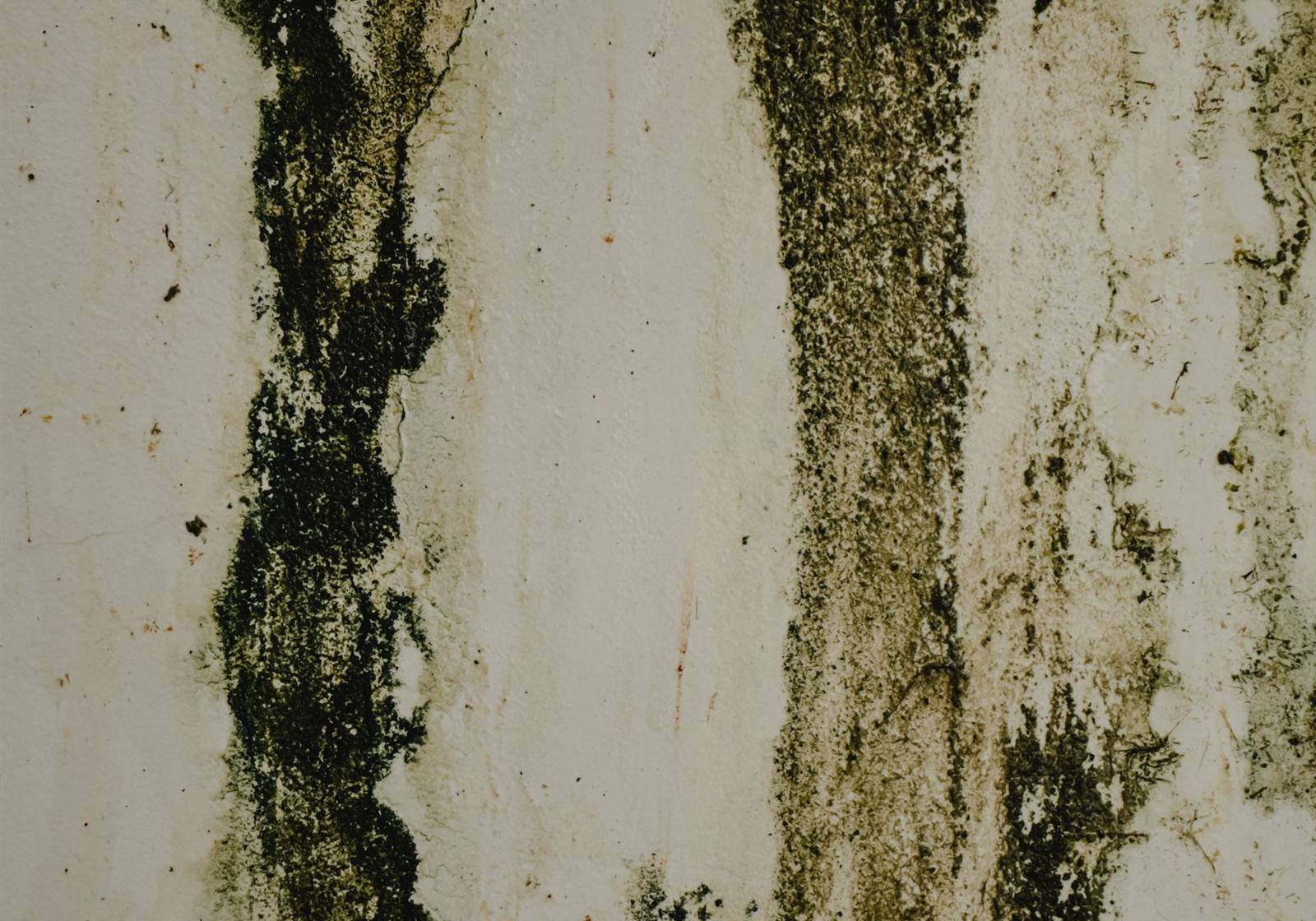
Green or black film on the outside of a house is usually algae or mildew growing on dirt and pollen that stays damp in shade, and it can be cleaned with a mild detergent, a soft brush and a garden hose rather than a pressure washer. It becomes a bigger concern when the growth is concentrated in one spot, comes with soft or swollen siding, or lines up with stains on the inside of the same wall.
This guide covers why siding grows mildew, how to clean vinyl, wood, fiber cement and painted surfaces without damaging them, how to keep it from coming back, and the signs that the siding is telling you about a moisture problem inside the wall.
What Is Actually Growing on Your Siding
Most exterior growth is a mix of a few things:
- Green algae. A powdery or slimy green film, most common on the north side, near the ground and under trees.
- Mildew. Black or gray specks or a dusty dark film. This is mold growing on the surface, feeding on dirt, pollen and organic residue.
- Lichen and moss. Crusty gray-green patches or fuzzy green cushions, mostly on wood, roofs and masonry in heavy shade.
- Dirt and soot. Not biological at all. Washes off easily and often collects under eaves and around downspouts.
Vinyl, aluminum and fiber cement siding do not feed mold themselves. The growth lives on the film of dirt on top. Wood siding and painted wood are different, because the wood can absorb water and support mold and rot below the paint.
For a closer look at telling these apart indoors, see our guides on mold vs. mildew and what mold colors tell you.
Why the North Side Gets It First
In Pennsylvania, north-facing walls get little direct sun. Dew that forms overnight stays on them for hours longer than on a south wall. Add shade from trees, shrubs planted against the house, and sprinkler spray, and the surface stays damp much of the day.
Other common spots:
- Behind shrubs that touch the siding and block air.
- Under decks and porches, where the wall rarely dries.
- Below leaking gutters or overflowing downspouts.
- Near the ground, where rain splashes soil onto the siding.
- Next to dryer vents and bath fan exhausts, which push warm, moist air onto the wall.
How to Clean Siding Without Damaging It
Start with the gentlest method that works. Most siding comes clean with detergent, a soft brush and a hose.
What you need
- A soft-bristle brush on an extension pole.
- A bucket of water with a mild household detergent, or a siding cleaner labeled for your siding type.
- A garden hose with a spray nozzle.
- Safety glasses and gloves.
- Plastic sheeting or water for plants nearby.
Step by step
- Wet the plants around the foundation first, and cover delicate ones. Wet foliage absorbs less cleaner.
- Rinse a section of siding to loosen dirt.
- Scrub from the bottom up in sections a few feet wide. Working upward helps prevent streaks running down over dry, dirty siding.
- Rinse from the top down before the cleaner dries.
- Repeat on stubborn spots, letting the cleaner sit for a few minutes but not dry.
Oxygen bleach vs. chlorine bleach
Products based on oxygen bleach (sodium percarbonate) are commonly used on siding and decks and are gentler on plants. Diluted chlorine bleach also lightens mildew stains on hard exterior surfaces, but it can harm plants and grass, discolor some painted finishes, and corrode metal. If you use it, dilute it, keep it off plants, rinse thoroughly, and never mix bleach with ammonia or other cleaners, which releases toxic gas. Our guide on whether bleach kills mold covers where bleach works and where it does not.
Why Pressure Washers Cause Problems
A pressure washer looks like the fast answer, but it causes more siding damage than mildew ever does.
| Siding type | Pressure washer risk |
|---|---|
| Vinyl | Water driven up under the lap seams and behind the panels, into the wall. Can crack brittle panels and blow out caulk. |
| Wood clapboard | Raises the grain, gouges soft wood, strips paint, forces water into joints. |
| Painted wood in older homes | Can strip loose paint and spread paint chips. In homes built before 1978, that paint may contain lead. |
| Fiber cement | Can erode the factory finish and force water past joints and trim. |
| Brick and mortar | High pressure can erode soft mortar, especially older lime mortar. |
| Stucco | Can force water behind the finish coat and into the wall. |
Many siding manufacturers’ care instructions recommend a soft brush and garden hose, and warn against high pressure or aiming water upward under the laps. If you do use a pressure washer, use a wide fan tip at low pressure, keep the wand well back from the wall, and always spray downward, never up under the laps.
Lead paint caution
Gettysburg has a lot of older painted siding. According to U.S. Census Bureau ACS 2020-2024 5-year estimates, 47.5% of Gettysburg borough’s housing units were built before 1940. Paint on pre-1978 homes may contain lead. Scraping, sanding or blasting it off with pressure creates lead dust and chips. The EPA’s lead pages explain safe work practices, and contractors working on pre-1978 homes generally need to follow the EPA’s Renovation, Repair and Painting rule.
Keeping It From Coming Back
Cleaning works for a season or two. Prevention stretches that out.
- Trim shrubs back so there is at least a foot or two of air space between plants and the siding.
- Prune trees that shade the north wall heavily, where practical.
- Fix gutters and downspouts so water does not sheet down the wall.
- Aim sprinklers away from the house.
- Keep mulch and soil several inches below the bottom of the siding.
- Rinse the north side with a hose once or twice a year to remove pollen and dirt before growth takes hold.
When Siding Mildew Signals a Wall Problem
Surface mildew on vinyl is a cleaning job. Growth combined with damage or interior symptoms is a moisture investigation. Look further if you see any of these:
- Growth concentrated below a window corner, a roof-to-wall intersection or a deck ledger rather than spread evenly across a shady wall.
- Soft, spongy or swollen wood siding or trim. Push a screwdriver into it. If it sinks in, there is rot.
- Paint blistering or peeling in one area of a wood or fiber cement wall, which often means moisture is coming from behind.
- Wavy or bulging vinyl in one area, sometimes from swollen sheathing behind it.
- Stains, peeling paint or a musty smell on the inside of the same wall.
- Growth that returns within weeks of cleaning on a wall that gets decent sun.
Those signs point to water getting behind the siding, often from missing flashing. Our guide on mold under vinyl siding and house wrap explains how that happens and what to check. If the inside wall is involved, see signs of mold behind drywall.
Does Exterior Mildew Affect Indoor Air?
Not directly. Outdoor mold spores are everywhere in the air during the growing season, and mildew on your siding adds little to that. The CDC notes that mold is common outdoors and that the goal indoors is to control moisture. The bigger concern is what the siding growth tells you about moisture reaching the wall structure.
Frequently Asked Questions
Is the black stuff on my vinyl siding black mold?
It is usually mildew or a dark algae growing on dirt on the surface. It is not growing in the vinyl itself. Color does not identify a species, and it does not change how you clean it. Wash it with detergent and a soft brush.
Can I use vinegar on siding mildew?
Vinegar can help with light growth on some surfaces, but it is weaker than a dedicated siding cleaner and can still affect plants. Test it in a small area. Do not mix vinegar with bleach.
How often should siding be cleaned?
Many homes need a rinse or light cleaning once a year, especially the north side. Walls in heavy shade or near trees may need it twice. If growth comes back within weeks, look for a moisture source.
Should I paint over mildew on wood siding?
No. Paint does not stick well to mildew and the growth will come through or cause peeling. Clean it, let the wood dry fully, repair any rot, then prime and paint.
When to Call for Help
If the siding growth comes with rot, interior stains or a musty wall, the problem may be inside the wall rather than on it. Our black mold removal service includes finding and fixing the moisture source when mold reaches interior materials. Contact us to have a wall checked.