
Mold Exposure Symptoms in Kids and Older Adults: What the CDC Says
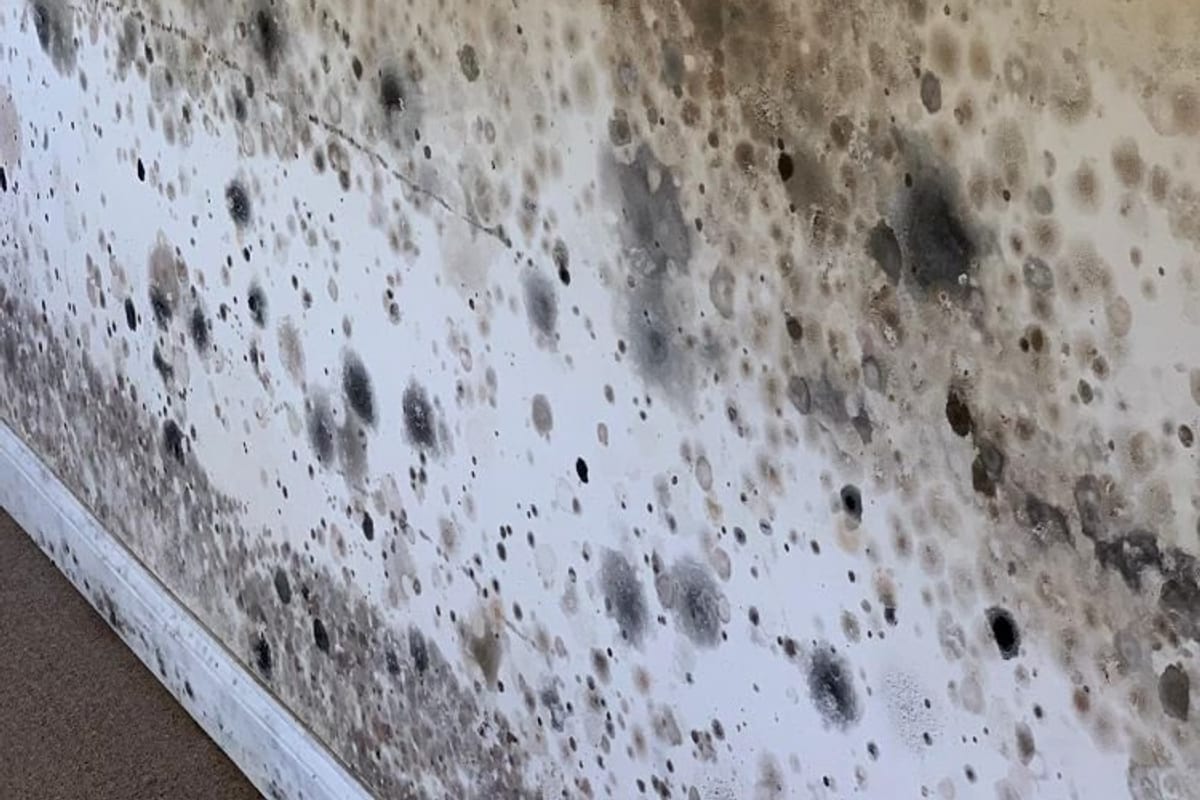
According to the CDC, mold exposure most often causes allergy and asthma-type symptoms, such as a stuffy nose, coughing, wheezing, red or itchy eyes and skin irritation, and children, older adults and anyone with asthma, lung disease or a weakened immune system may react more strongly. If someone in your home has trouble breathing, get medical care first and deal with the mold second.
This guide covers the symptoms CDC links to damp, moldy homes, why young and older household members deserve extra attention, when to see a doctor, and practical steps to reduce exposure. We are a remediation company, not medical providers. Nothing here is medical advice, and a doctor is the right person to evaluate any symptoms.
What the CDC Says About Mold and Health
The CDC’s mold and health pages describe mold as common indoors and outdoors, and say that people react to it differently. Some people have no reaction. Others, especially those with allergies or asthma, are more sensitive.
CDC also summarizes a review by the Institute of Medicine (now the National Academy of Medicine), which found evidence linking damp indoor spaces and indoor mold to:
- Upper respiratory symptoms, such as a stuffy or runny nose and throat irritation.
- Coughing and wheezing in otherwise healthy people.
- Asthma symptoms in people who already have asthma.
- Hypersensitivity pneumonitis, an uncommon immune reaction in the lungs, in people who are susceptible to it.
That same review found more limited evidence connecting indoor mold exposure with respiratory illness in otherwise healthy children.
CDC does not list a specific set of “black mold symptoms,” and it does not recommend testing to identify mold species for health decisions. The color or type of mold does not change how it should be removed. Our black mold myths guide covers the most common misunderstandings.
Common Symptoms to Watch For
These are the symptoms CDC and EPA describe most often. None of them is unique to mold. Colds, seasonal pollen, dust mites, pet dander and many other things cause the same symptoms.
| Area | Symptoms CDC and EPA describe |
|---|---|
| Nose and throat | Stuffy or runny nose, sneezing, sore or scratchy throat |
| Lungs | Coughing, wheezing, chest tightness, shortness of breath |
| Eyes | Red, itchy or watery eyes |
| Skin | Rash or itching |
| Asthma | More frequent or more severe asthma attacks |
A pattern worth noticing
One clue doctors sometimes ask about is whether symptoms change with location. Keep a simple note of:
- When symptoms start and stop.
- Whether they are worse in one room, such as a basement bedroom or a damp bathroom.
- Whether they improve when the person is away from home for a few days.
- Whether they flare after rain, a leak, or when the heat or air conditioning first turns on.
That log is more useful to a doctor than a home mold test.
Why Children May Be More Affected
A few practical reasons kids deserve extra attention in a damp home:
- Children breathe more air for their body size than adults do.
- Infants and toddlers spend time on the floor, close to carpet, rugs and dust where spores settle.
- Kids cannot always describe symptoms, so a parent may notice coughing at night, rubbing eyes, or more frequent colds instead.
- Asthma often starts in childhood, and CDC notes that mold can trigger asthma symptoms in people who have it.
What to watch for in kids:
- A cough that lingers, especially at night or in the morning.
- Wheezing, a whistling sound when breathing out.
- Nasal congestion that does not clear up between colds.
- Itchy, watery eyes or eczema-type rashes that flare at home.
- Using a rescue inhaler more often than usual.
Basement bedrooms, playrooms and finished lower levels are worth a close look. Our guide on basement mold in old Gettysburg homes explains why those spaces stay damp.
Why Older Adults May Be More Affected
Older adults are more likely to have conditions that make mold exposure harder to tolerate. CDC identifies people with chronic lung disease, such as COPD, and people with weakened immune systems as being at higher risk of more serious effects, including fungal infections in some cases.
Factors that raise concern for older household members:
- Chronic lung conditions such as COPD, emphysema or pulmonary fibrosis.
- Treatments that lower immunity, such as chemotherapy, organ transplant medicines or long-term steroids.
- Heart conditions that make breathing problems more serious.
- Less time outdoors, meaning more hours in the same indoor air.
- Homes that have aged with them, with older roofs, plumbing and basements more likely to leak.
The local housing stock is a factor here. According to U.S. Census Bureau ACS 2020-2024 5-year estimates, 47.5% of housing units in Gettysburg borough were built before 1940, compared with 17.5% across Adams County. Older homes are not automatically moldy, but they often have stone foundations, aging plumbing and limited ventilation that make moisture problems more likely.
When to See a Doctor
Call 911 or go to an emergency room for severe trouble breathing, lips or face turning blue, confusion, or an asthma attack that does not respond to a rescue inhaler. Those are emergencies regardless of the cause.
Make a regular appointment with a doctor or pediatrician when:
- Breathing symptoms last more than a couple of weeks or keep coming back.
- A child is wheezing, coughing at night, or using an inhaler more often.
- An older adult with lung disease, heart disease or a weakened immune system has new or worsening breathing symptoms.
- Anyone has a fever with cough and has a weakened immune system.
- Symptoms clearly improve away from home and return when back.
What to bring to the appointment:
- Your symptom log.
- A description of the home: where the moisture or mold is, how long it has been there, and any recent leaks or flooding.
- Photos of any visible growth.
- A list of current medicines.
There is no single blood test or lab result that proves mold is causing someone’s symptoms. A doctor will consider the history, a physical exam and, in some cases, allergy testing.
How to Lower Exposure at Home
CDC and the EPA give the same core advice: control moisture and remove mold. The EPA’s Brief Guide to Mold, Moisture and Your Home is a good plain-language reference.
Practical steps
- Fix leaks quickly, and dry wet materials within 24 to 48 hours.
- Keep indoor humidity between 30% and 50%, and below 60%. An inexpensive hygrometer tells you where you stand.
- Run bathroom and kitchen exhaust fans that vent outdoors.
- Move sensitive family members out of damp basement bedrooms until the space is dry.
- Do not let children or sensitive adults help with mold cleanup.
- Keep vulnerable household members away from the work area if remediation is needed. Our guide on staying home during mold remediation explains containment and who should leave.
Cleaning small areas
The EPA says a homeowner can usually clean an area smaller than about 10 sq ft (0.9 m²) on hard surfaces with detergent and water, while wearing gloves, eye protection and an N95 respirator. People with asthma, allergies or weakened immune systems should not do this work themselves. Our guide on whether DIY mold removal is safe covers where that line falls.
What Not to Rely On
- DIY mold test kits. They nearly always grow something, because spores are in all indoor air, and they cannot tell you whether mold is causing symptoms.
- Air purifiers alone. A HEPA purifier can reduce airborne particles, but it does not fix growth or the moisture behind it.
- Bleach fogging or sprays on porous materials. They do not remove growth from drywall, wood or insulation.
- Online symptom checklists tied to “toxic mold.” CDC does not support diagnosing mold illness from a checklist.
Frequently Asked Questions
Can mold make a baby sick?
CDC notes that people with allergies or asthma, and children in general, may be more sensitive to damp, moldy indoor spaces. Symptoms such as coughing, wheezing or congestion in an infant should be checked by a pediatrician. Any trouble breathing is a reason to seek care right away.
What are the first signs of mold exposure?
The most common early symptoms CDC describes are a stuffy or runny nose, sneezing, itchy or watery eyes, coughing and skin irritation. These overlap with colds and seasonal allergies, so a pattern tied to one room or to being at home is more telling than any single symptom.
Is mold more dangerous for elderly people?
It can be for some. CDC identifies people with chronic lung disease and weakened immune systems as being at higher risk of more serious effects. Many older adults have one of those conditions, so their symptoms deserve prompt attention from a doctor.
Do symptoms go away after mold is removed?
For many people, allergy-type symptoms improve once the moisture problem is fixed and growth is removed. How quickly depends on the person and their health. A doctor can advise on what to expect and any treatment in the meantime.
Protect the People Most at Risk
If someone in your home is young, older or has a health condition, removing mold the right way, with containment and a fixed moisture source, matters more than ever. Read about our black mold removal process, and contact us to schedule an assessment and talk through how to protect sensitive household members during the work.