
Assessment & Written Scope
A building walk-through with moisture mapping and a sampling plan where needed. The written scope lists square footage by area, following EPA guidance for mold remediation in commercial buildings.
Offices, rental units, B&Bs, churches, and historic downtown buildings. Work is phased around business hours and tenants so the building keeps operating. Work is scheduled around your business hours, with containment that keeps the rest of the building open where possible.
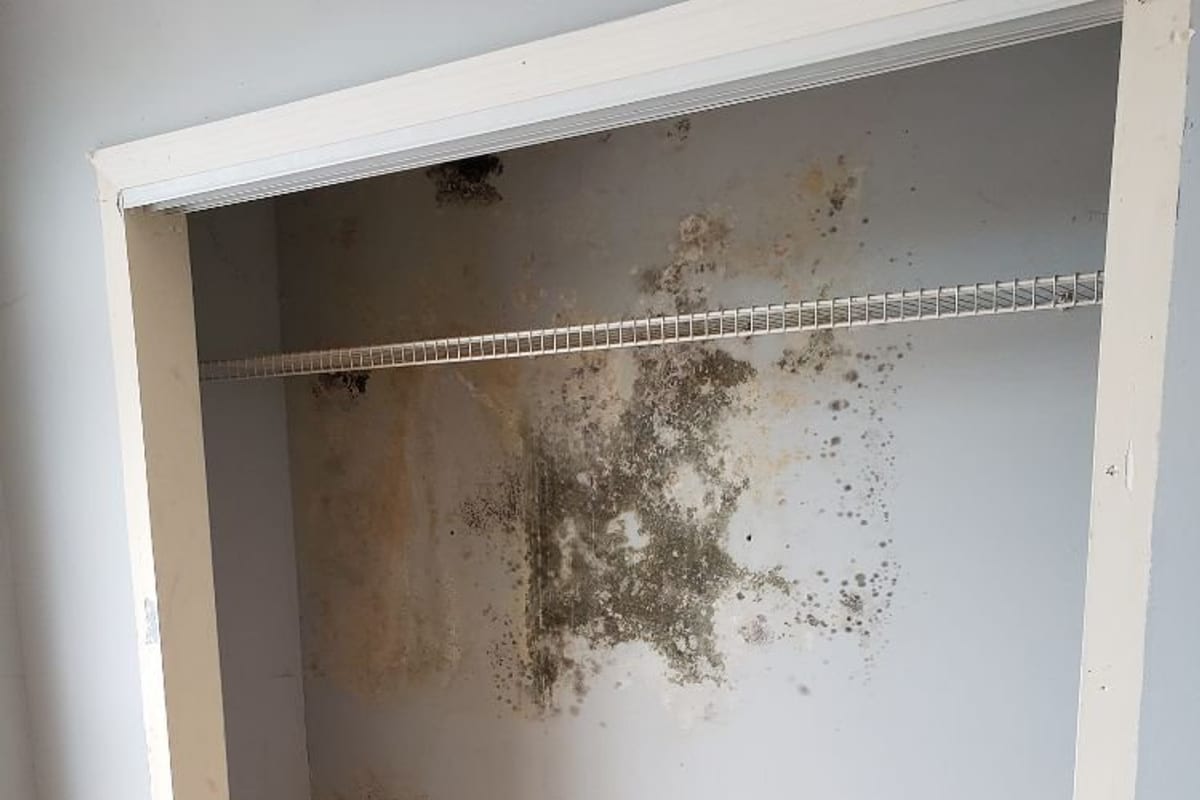
In commercial buildings, mold usually shows up where people are not: storage rooms, above ceiling tiles, and units that sit empty. These are the signs worth acting on.
Commercial jobs vary more than homes do, from one office to a whole inn. The scope is written per room or unit so you can plan around it.
A building walk-through with moisture mapping and a sampling plan where needed. The written scope lists square footage by area, following EPA guidance for mold remediation in commercial buildings.
Work can be phased at night, on weekends, or area by area so offices, shops, and restaurants stay open. Containment keeps occupied spaces separated from the work zone.
Landlords and property managers get unit-by-unit scopes, scheduling around tenants, and documentation for their files. Vacant units can be handled between tenants.
Buildings in the Gettysburg Historic District often have lime mortar, plaster walls, and old wood trim. We clean original materials where they can be saved and remove only what cannot be cleaned.
Multi-room and whole-floor jobs use sealed containment, negative air pressure, and HEPA air scrubbers. Clean corridors and entrances stay usable during the work.
Each area gets a visual check and moisture readings, plus air sampling when requested, including by an independent third party. The final report gives owners and insurers a clear record.
Need the work done after hours or between guests? Tell us your schedule when you call.
📞 Call (717) 256-4434Solid masonry behaves nothing like a modern framed wall. Stone and brick with lime mortar are meant to absorb water and release it again, so they are permanently exchanging moisture with the air inside. Add modern paint, foam board, or vinyl on the interior face and that moisture gets trapped where it can feed growth behind the finish.
The building's schedule creates the second problem. Inns and B&Bs that close for part of the season, upper floors used for storage, and offices shut over a holiday all sit with no air moving and no dehumidification while the humidity climbs. Occupied buildings bring the opposite constraint: the work has to happen around tenants, guests, and trading hours.
Downtown buildings in the Gettysburg Historic District have stone and brick walls, lime mortar, and plaster that hold moisture. Inns and B&Bs that sit closed for part of the year can build up humidity with no one running the air. Work follows EPA mold cleanup guidance for commercial buildings and the IICRC S520 standard, including containment that keeps occupied areas separate.
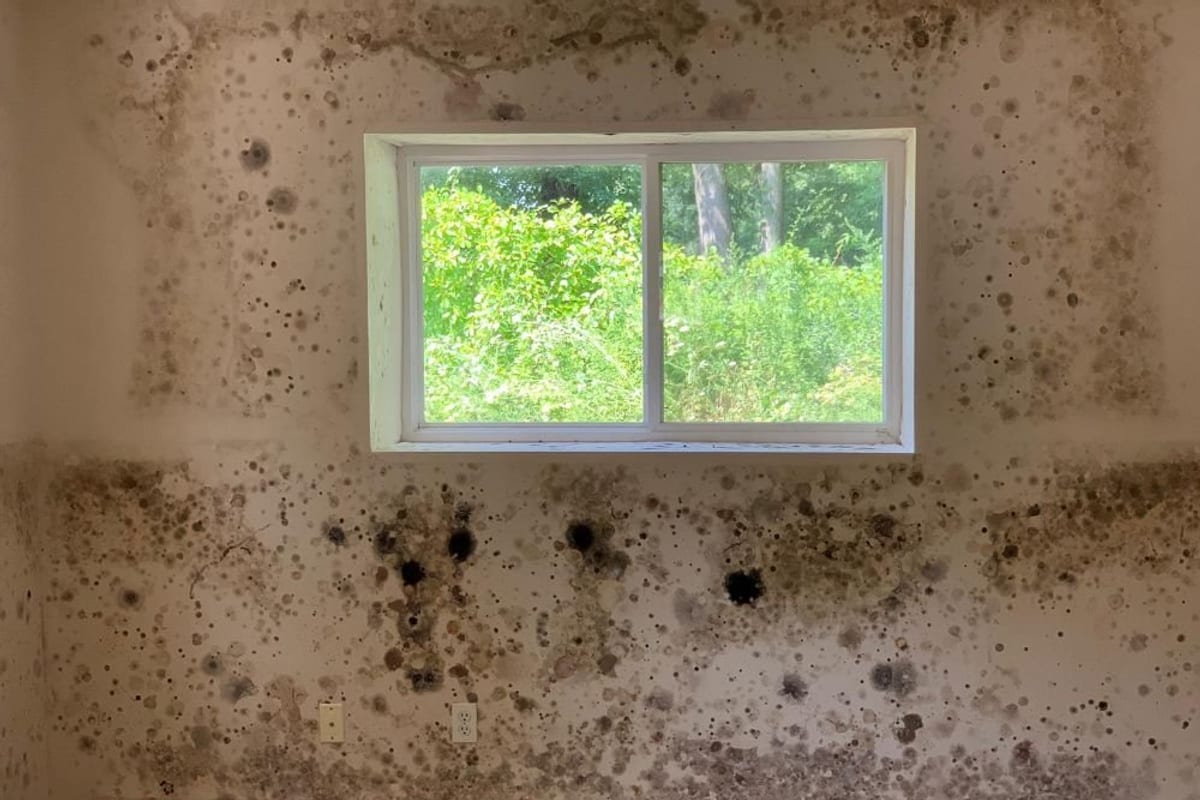
Commercial work is planned around occupancy. Containment, air filtration and access are set up so staff, tenants or guests can keep using the rest of the building.
Before any scope is written we establish what cannot stop: which units are occupied, when the business trades, where guests go, and which routes crews can use. That shapes everything that follows.
Areas are contained and put under negative pressure one at a time so the rest of the building keeps operating. Access routes are protected and shared HVAC is isolated so nothing crosses into occupied space.
Contaminated finishes and porous materials are removed, and masonry, plaster, and framing are HEPA vacuumed and cleaned by methods appropriate to their age. Historic fabric is not treated like modern drywall.
Clearance testing confirms each phase before it reopens, and you receive a written scope, photographs, moisture logs, and results, which is the package landlords, insurers, and buyers ask for.
Ready for step one?
Call (717) 256-4434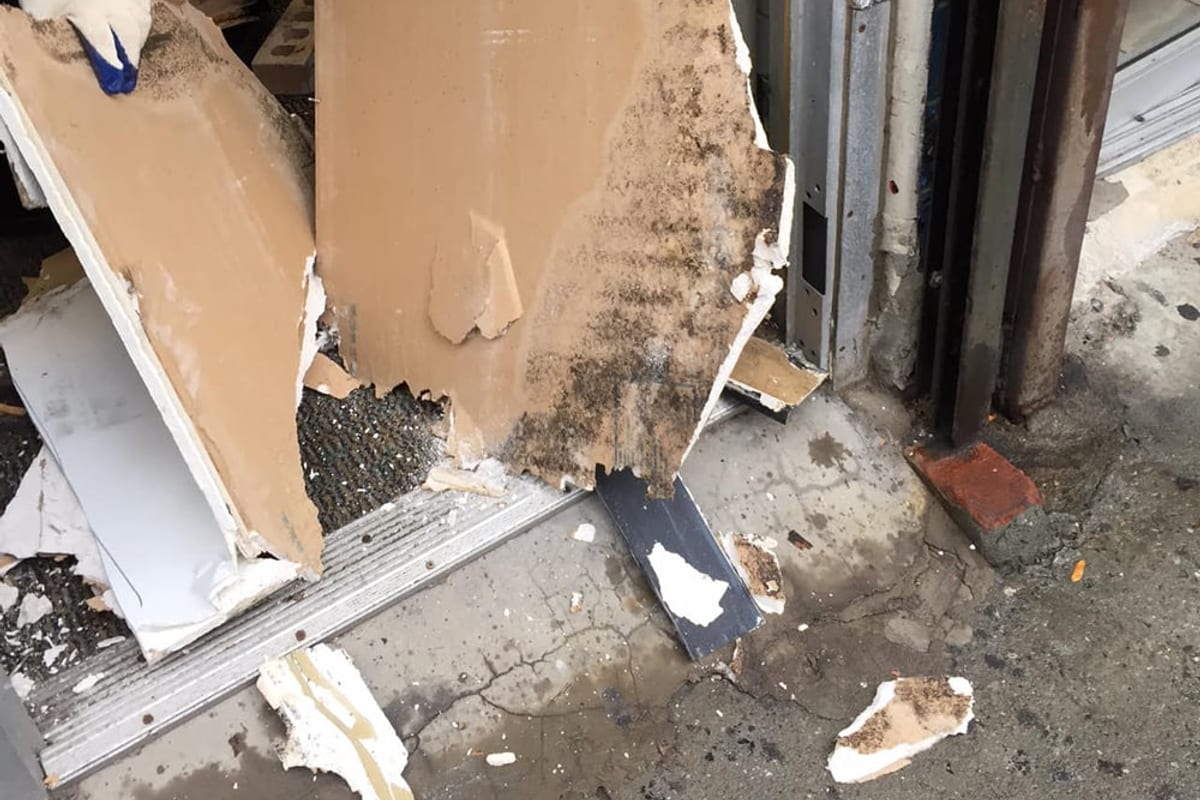
Downtime costs a business money, so planning matters as much as removal. the same crew that answers the phone writes a room-by-room scope and schedules around your hours.
Answers for owners and managers about scheduling, tenants, documentation, historic buildings, and what to check before hiring. Don't see yours? Call and ask.
Commercial projects are priced after a site visit and room-by-room assessment. Occupancy, access, containment zones, operating hours and reconstruction change the scope. Residential national cost examples in our guide do not establish commercial rates or a verified Gettysburg average. Ask for a written project-specific quote.
Read the national cost sources, calculation assumptions and exclusions.
Question about your property? Call (717) 256-4434Yes, in most cases. Pennsylvania has no law with mold-specific rules for rentals, but landlords must keep units fit to live in under the state's implied warranty of habitability. Leaks and mold that affect health or use of the unit can break that duty. This is general information, not legal advice.
Question about your property? Call (717) 256-4434No, OSHA has no specific standard for mold. OSHA publishes guidance on preventing and cleaning up workplace mold, and employers still have a general duty to keep workplaces free of recognized hazards. EPA publishes separate guidance for mold remediation in schools and commercial buildings.
Question about your property? Call (717) 256-4434Yes. Work can be scheduled at night, on weekends, or in phases so a Gettysburg office, shop, or restaurant stays open. Containment and negative air pressure keep the work area separated from occupied space.
Question about your property? Call (717) 256-4434Historic buildings get gentler cleaning methods first. Stone, brick, lime mortar, and plaster are HEPA vacuumed and cleaned by hand instead of being torn out. Original wood trim is cleaned where it is sound. Moisture control, such as fixing gutters and drainage, keeps the mold from coming back.
Question about your property? Call (717) 256-4434Our process follows IICRC S520, the Standard for Professional Mold Remediation, and EPA's guidance for mold remediation in schools and commercial buildings. That means containment sized to the job, HEPA filtration, removal of moldy porous materials, moisture source repair, and a clearance check.
Question about your property? Call (717) 256-4434A single office or rental unit usually takes 1 to 3 days. Multi-unit or whole-floor projects are phased and can take 1 to 2 weeks or more. After-hours scheduling can stretch the calendar while cutting downtime for your business.
Question about your property? Call (717) 256-4434Ask for a certificate of insurance, a written scope broken down by room or unit, a containment plan that keeps occupied areas separate, a schedule that fits your hours, and how the work will be checked before containment comes down. Keep the moisture readings and photos in the building file; they matter for tenants, buyers, and insurers.
Question about your property? Call (717) 256-4434Commercial policies vary far more than residential ones, so the answer really is in your specific policy. As a general pattern, mold following a sudden covered loss is included, often subject to a mold sublimit, while mold from humidity, seepage, or deferred maintenance is excluded. Two extras matter for commercial buildings: business interruption cover may apply if remediation closes part of your operation, and if you are a landlord, habitability obligations to tenants can run on a different timeline from the claim. We write the scope, phasing, and clearance up in a form your carrier and your tenants can both use.
Question about your property? Call (717) 256-4434Call to set up a site visit at a time that suits your business. You will get a written scope and schedule before any work begins.