
Can Mold Come Back After Remediation? Why It Returns and How to Stop It
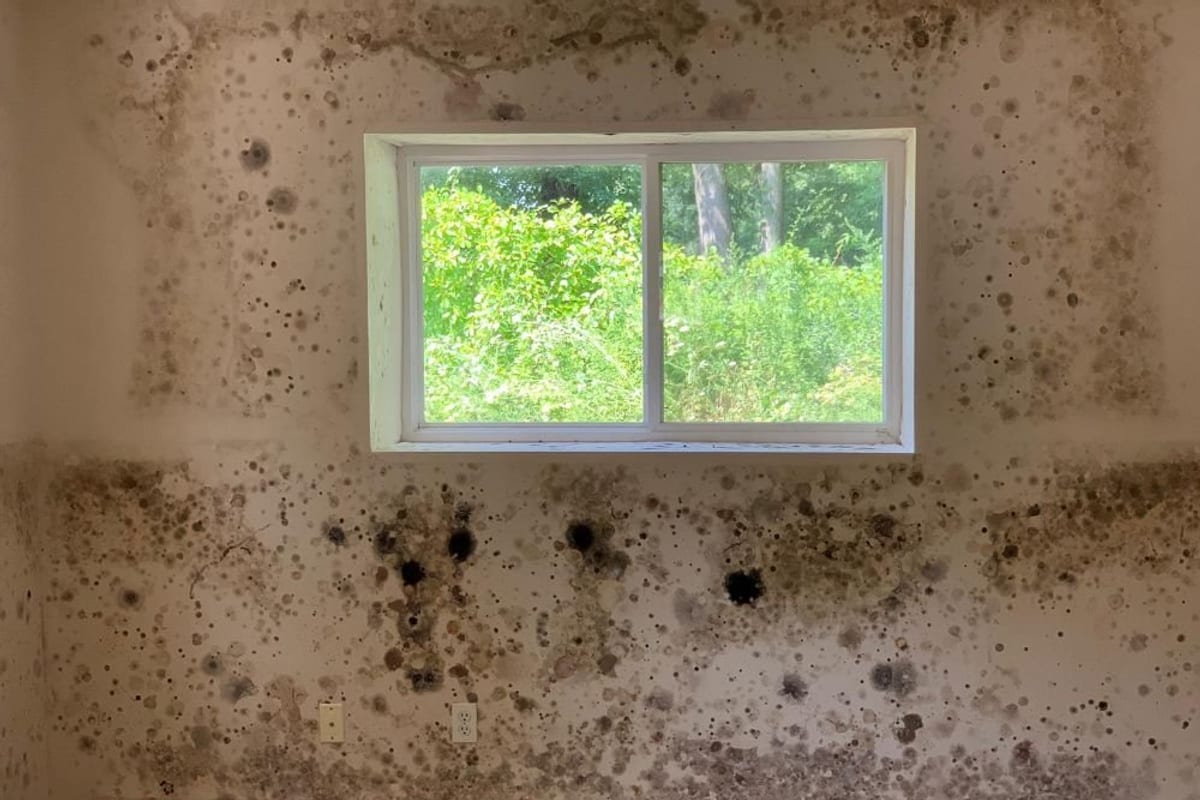
Yes, mold can come back after remediation, and when it does, the cause is almost always moisture that was never fully fixed, growth that was not fully removed, or indoor humidity that stays too high. Remediation removes the mold that is there. It does not make a building immune. Mold spores are always present in indoor air, so any material that stays damp long enough can grow mold again.
This guide covers the 5 most common reasons mold returns, how to tell regrowth from leftover staining, a simple checklist to use in the months after the work, and what to do if the same spot turns moldy again.
Why Regrowth Is Possible at All
Remediation is not sterilization. The EPA’s mold guidance is clear that there is no practical way to remove every mold spore from an indoor environment. The goal of remediation is to remove growth and contaminated materials and return the area to normal background conditions. The IICRC S520 standard calls that normal state Condition 1. Our IICRC S520 conditions guide explains those terms.
Normal background spores will not grow on a dry surface. They need moisture. So the real question after remediation is not “Is the mold gone forever?” It is “Will this area stay dry?”
The 5 Most Common Reasons Mold Comes Back
1. The moisture source was not fixed
This is the cause in most return cases. A crew can remove every square inch of moldy drywall, but if the roof flashing still leaks, or the shower pan still seeps, or the downspout still dumps at the foundation, new drywall will get wet and grow mold again.
Sometimes the source was fixed, but a second, smaller source was missed. A basement may have both a window well leak and high summer humidity. Fixing one leaves the other.
2. Growth was cleaned when it should have been removed
Mold on hard, non-porous surfaces such as metal, glass and sealed concrete can be cleaned. Mold that has grown into porous materials such as drywall, ceiling tile, carpet pad and insulation generally cannot be cleaned reliably. The EPA’s Brief Guide to Mold, Moisture and Your Home says porous materials with mold may need to be thrown away.
If moldy drywall was sprayed and painted over instead of removed, the growth underneath can resume as soon as the wall gets damp again. Our bleach guide covers why spraying alone does not solve porous material problems.
3. Materials were not dry before rebuild
Closing up a wall before the framing has dried traps moisture inside. New drywall over wet studs can grow mold on the back side within weeks. Framing should be checked with a moisture meter and compared with dry reference readings before any new material goes up. Our guide to moisture meter readings explains what “dry” means in practice.
4. Indoor humidity stays high
Even with no leak at all, humidity above about 60% for long periods can support growth on cool surfaces. That is common in summer basements and in closets on exterior walls in winter. The EPA recommends keeping indoor humidity below 60%, ideally between 30% and 50%. Our indoor humidity and dew point guide explains why the temperature of the surface matters as much as the room number.
5. Settled spores and dust were left behind
If the work area was not HEPA vacuumed and wiped after removal, settled spores and fragments stay on surfaces. On their own, settled spores need moisture to grow. But they can make the area fail clearance, keep a musty smell going, and seed quick regrowth if the area gets damp again.
Regrowth or Old Staining?
Not every dark mark after remediation is new mold. Here is how to tell.
| What you see | More likely | How to check |
|---|---|---|
| Dark marks on cleaned framing that have not changed in months | Old staining | Photograph and compare monthly |
| Fuzzy or raised spots that grow larger week to week | New growth | Tape lift or close visual check |
| Musty smell that returns after rain | Active moisture and possible growth | Moisture readings in the area |
| Discoloration on new paint or drywall | New growth | Check for dampness behind it |
| White crust on masonry | Efflorescence (mineral salt) | Dissolves in water, mold does not |
Staining in wood grain after cleaning is common. It does not mean the remediation failed. What matters is whether the wood is dry and whether the marks change. Our mold clearance testing guide covers how areas are checked before they are closed up.
What a Good Remediation Leaves You With
A remediation that is less likely to see regrowth usually ends with these items, in writing:
- The moisture source identified and either repaired or clearly assigned to another trade, such as a roofer or plumber.
- A list of what was removed and what was cleaned, by area.
- Final moisture readings on framing and remaining materials, compared with dry reference readings.
- Photos before, during and after.
- Any clearance results, visual or with sampling.
- Recommendations for humidity control, ventilation or drainage.
If the scope says “treat mold” or “spray antimicrobial” and nothing about removing porous materials or fixing water, ask questions before work starts. Our guide to remediation vs. removal explains what a full scope includes.
A Monthly Checklist for the First Year
The first year after remediation is when regrowth usually shows up, because it covers every season. Use this checklist once a month and after any heavy rain or snowmelt:
- Check the hygrometer. In basements and crawl spaces, relative humidity should stay below 60%, and ideally under 50%.
- Look at the remediated area. Check corners, the bottom of walls, around windows and under fixtures.
- Use your nose. A returning musty smell is often the first sign.
- Check the original water source. Look under the sink, at the roof stain, at the window well, wherever the problem started.
- Run your hand along the base of walls and check for cool, damp spots.
- Look at stored items on the floor and against exterior walls.
- Empty or check the dehumidifier drain and clean its filter.
- Write down what you see. Dates and photos matter if you need to contact the contractor or an insurer later.
What to Do If Mold Comes Back
Small spot on a hard surface
Clean it with detergent and water while wearing gloves, eye protection and an N95 respirator. Dry the area. Then figure out why it got wet. A small return spot is a moisture warning, not just a cleaning job.
Same area, larger growth
Stop and document it before cleaning. Take photos, note the date, and check moisture readings if you have a meter. Contact the original contractor. Many remediation agreements include some form of workmanship warranty, but terms vary widely and many exclude new water events. Our guide to what a mold remediation warranty should cover goes into those terms.
A new water event caused it
If a new leak, flood or plumbing failure caused the regrowth, treat it as a new water damage event. Start drying fast. Our water damage first 48 hours guide covers the steps. Insurance coverage depends on your policy. This is general information, not legal advice. Read your policy and talk to your agent. See does homeowners insurance cover mold for the common policy terms.
Questions to Ask Before Hiring, So It Does Not Come Back
Before signing a remediation contract, ask:
- What do you think is causing the moisture, and who will fix it?
- Which materials will you remove, and which will you clean?
- How will you confirm the area is dry before rebuild?
- Will I get final moisture readings and photos in writing?
- Is clearance included, and who performs it?
- What does your warranty cover, and what does it exclude?
Our guide to choosing a mold remediation company has a longer list.
Frequently Asked Questions
How soon can mold come back after remediation?
Mold can begin growing on damp materials within 24 to 48 hours, according to the EPA. If an area gets wet again soon after remediation and is not dried quickly, new growth can appear within days to weeks. If the area stays dry, regrowth should not occur.
Does an antimicrobial spray prevent mold from returning?
Not on its own. Coatings and antimicrobials may be part of a job, but they do not replace removing contaminated materials and fixing moisture. A coated surface that stays wet can still grow mold, especially once dust settles on it.
Can mold come back in the same place years later?
Yes, if the same moisture problem returns. A roof leak that is repaired and then fails again years later, or a basement that floods in a major storm, can produce growth in the same area. The original remediation does not protect against a new water event.
Should I retest after remediation to make sure mold did not come back?
Routine retesting is not usually needed if the area stays dry and shows no smell or visible growth. If symptoms, odor or visible growth return, an inspection with moisture readings is the right first step. Sampling can help in specific situations.
If Mold Keeps Returning
When the same area keeps growing mold, the moisture source is the first thing to revisit. Our black mold removal service includes tracing the water, removing affected materials and documenting final conditions. Contact us to schedule a visit in Gettysburg or the surrounding area.