
Sump Pump Failure and Mold: What to Do in the First 48 Hours
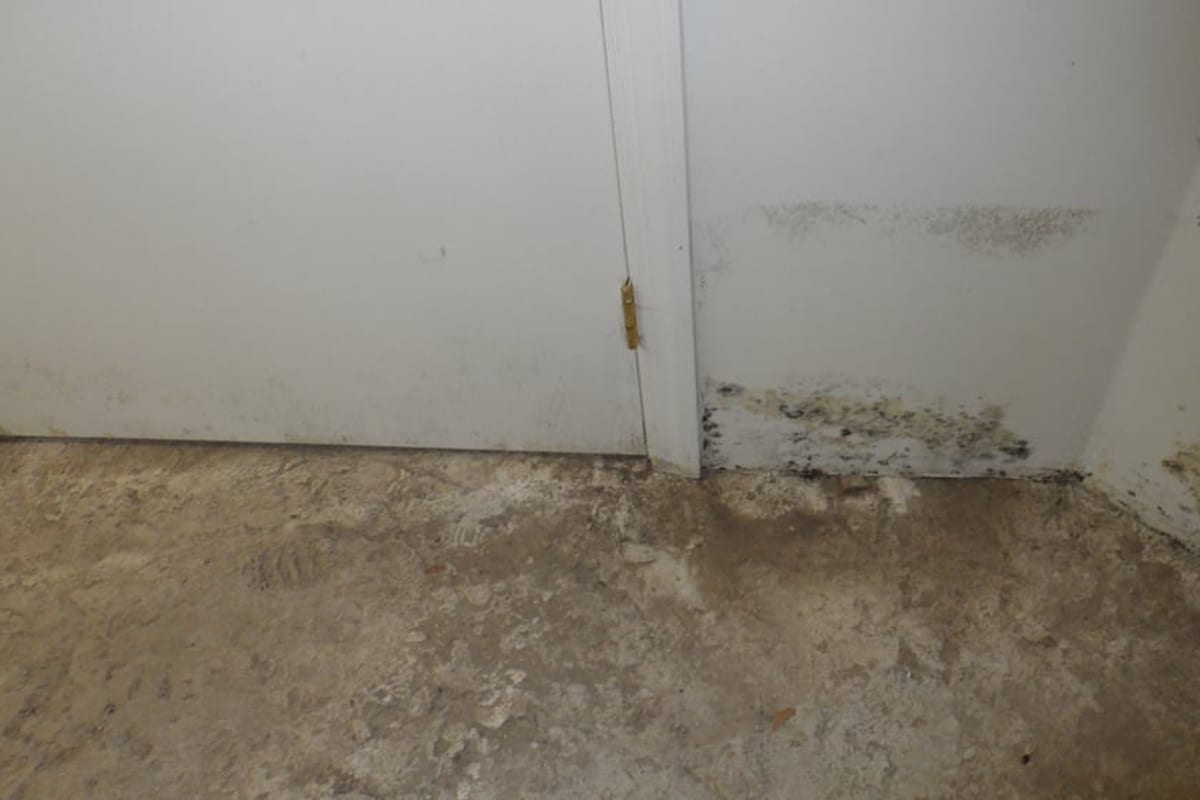
When a sump pump fails and the basement takes on water, you have roughly 24 to 48 hours to get the water out and the materials drying before mold is likely to start growing. That window comes from EPA guidance, and the steps you take in the first day matter more than anything you do later.
This guide covers the first 48 hours hour by hour, what to keep and what to throw out, why pumps fail, backup pump options and the insurance questions to ask. It is general information, not legal or insurance advice.
First: Stay Safe
Do not walk into a flooded basement if water is near outlets, extension cords, appliances or the electrical panel. Water and live circuits can kill.
- If you can reach the main breaker without stepping in water, turn off power to the basement. If you cannot, call your electric utility.
- If you smell gas, leave the house and call the gas company from outside.
- Treat the water as dirty. Groundwater that has passed through soil is not clean, and water from a sewage ejector pit is sewage. Wear rubber boots and gloves.
- Keep children and pets out of the basement.
The First 48 Hours, Step by Step
Hours 0-4: Stop the water and document it
- Get the water moving out. If the pump failed from a power outage, restore power or connect the pump to a generator through a proper transfer setup or a heavy-duty cord, never through a basement outlet in standing water. If the pump itself is dead, a rented or spare submersible pump can drain the pit.
- Find the cause if you can see it: tripped breaker, stuck float, burned-out motor, frozen or clogged discharge line.
- Take photos and video of the water level, damaged belongings and the pump before you move anything. Insurers will ask for them.
- Call your insurance company to start a claim and ask what they need from you. Ask whether they want to send an adjuster before you discard anything.
Hours 4-24: Remove water and wet materials
- Pump or wet-vac the standing water. A shop vac handles small amounts; a large flood needs pumps.
- Get wet items out of the basement. Move furniture, boxes and rugs outside or to a dry area.
- Pull up wet carpet and pad. Carpet pad soaks up water like a sponge and almost always needs to go. See our guide on whether to clean or replace moldy carpet.
- Open up wet drywall. In a finished basement, drywall that wicked water usually needs a “flood cut,” removing the bottom section at least 12 in. above the highest wet line, so the wall cavity and insulation behind it can dry. Wet fiberglass insulation should come out.
- Remove baseboards so the wall bottoms can dry.
Hours 24-48: Dry everything
- Run fans and dehumidifiers continuously. Air movers aimed at wet surfaces speed evaporation; dehumidifiers pull that moisture out of the air.
- Keep windows closed if outdoor air is humid. On a dry, cool day, opening windows can help.
- Measure, do not guess. A moisture meter shows whether framing and remaining drywall are actually drying. Surfaces that feel dry can still be wet inside.
- Clean hard surfaces like concrete, tile and metal with detergent and water, then dry them. The EPA recommends detergent and water for hard surfaces in A Brief Guide to Mold, Moisture and Your Home.
If materials are still wet after 48 hours, call a water damage professional. Professional drying equipment and moisture mapping can get a basement dry when household fans cannot.
Keep, Clean or Throw Out
| Material | Usually | Notes |
|---|---|---|
| Concrete floor and walls | Clean and dry | Detergent and water; watch for efflorescence |
| Carpet pad | Throw out | Holds water and cannot be dried reliably |
| Wall-to-wall carpet | Often throw out | May be saved only if clean water and dried fast |
| Drywall below the wet line | Cut out | Paper facing grows mold quickly |
| Fiberglass batt insulation | Throw out | Holds water against framing |
| Solid wood framing | Dry in place | Check moisture readings before closing walls |
| Upholstered furniture | Often throw out | Depends on water type and how long it sat |
| Cardboard boxes and paper | Throw out or copy | Photograph important documents first |
| Clothing and washable fabric | Wash promptly | See mold on clothes and furniture |
If the water came from a sewage ejector pit or a sewer backup, treat everything porous it touched as unsalvageable and hire a professional. That is a different category of water.
Why Sump Pumps Fail
Knowing the cause helps you prevent the next one. The most common causes:
- Power outage. Summer thunderstorms and tropical storms knock out power at the same time they dump heavy rain. This is the classic failure.
- Stuck or tangled float switch. The float gets caught on the pit wall, the power cord or debris and never triggers the pump.
- Clogged intake or discharge. Silt, gravel and debris in the pit block the pump.
- Frozen or blocked discharge line. In winter, an outdoor discharge line that holds water can freeze.
- Undersized pump. A pump that keeps up with normal rain may fall behind in a big storm.
- Worn-out pump. Motors and switches wear out. A pump that has run for many years is due for inspection.
- Missing check valve. Without one, water in the discharge pipe falls back into the pit each cycle, making the pump work harder.
Backup Options Compared
A primary pump with no backup is a single point of failure. These are the common ways to add protection.
| Backup type | How it works | Good for | Limits |
|---|---|---|---|
| Battery backup pump | Second pump in the pit runs off a battery when power fails or the main pump quits | Power outages, primary pump failure | Battery runtime is limited; batteries need replacing |
| Water-powered backup | Uses municipal water pressure to pump water out, no electricity needed | Long outages in homes on public water | Not for homes on a private well; uses a lot of water; may need a backflow device |
| Generator | Powers the primary pump during an outage | Long outages | Must be run outside; needs fuel and a safe connection |
| Second primary pump | Two AC pumps, one set higher as a backup | Mechanical failure of the main pump | No help during a power outage on its own |
| High-water alarm | Sounds an alarm or sends a phone alert when the pit is too full | Early warning for any failure | Does not move water |
Many households combine two: a battery backup plus a high-water alarm with a phone alert.
Test the system
Test the pump every few months and before storm season by pouring a bucket of water into the pit until the float lifts. Check that the pump starts, empties the pit and shuts off. Test the backup too, by unplugging the primary pump. Make sure the outdoor discharge drains away from the house.
Insurance Questions to Ask
Policies vary. Read your own policy, and treat this as general information, not legal or insurance advice.
- Homeowners insurance. Many standard policies do not cover water that backs up through drains or overflows from a sump unless you have added a water backup or sump overflow endorsement. Ask your agent whether you have one and what the limit is. Our guide on whether homeowners insurance covers mold in Pennsylvania goes into more detail.
- Flood insurance. The National Flood Insurance Program covers flood as it defines the term, generally surface water affecting a wider area. Basement coverage under NFIP policies is limited to certain items. Details are on FloodSmart.gov.
- Mold. Many policies limit or exclude mold, especially mold from a slow or ongoing problem. Acting quickly and documenting your drying effort can matter.
The Local Flood Picture
Heavy rain events in Adams County have produced real losses. According to FEMA NFIP claims data, as of Sept 8, 2026, there have been 400 NFIP flood claims in Adams County, with $6.70 million paid from 1978 to 2026. The peak year was 2011, with 133 claims, during Tropical Storm Lee in September 2011. Within ZIP 17325 (Gettysburg) there have been 84 claims totaling $2.66 million, and ZIP 17316 (East Berlin) has had 205 claims totaling $2.71 million.
Those figures count flood insurance claims only. They do not include the many basements that took on water from a failed sump pump with no NFIP policy involved. A storm big enough to knock out power is also the storm most likely to overwhelm a pit.
Frequently Asked Questions
How fast does mold grow after a basement floods?
The EPA advises drying wet materials within 24 to 48 hours to prevent mold growth. After that, porous materials that stayed wet are at high risk.
Can I just run a dehumidifier and leave the drywall?
Not if the drywall wicked water. The wall cavity behind it stays wet, and a dehumidifier cannot dry insulation trapped inside a closed wall. Cut out the wet section so the cavity can dry. Our basement dehumidifier size guide covers equipment for keeping the space dry afterward.
Should I use bleach after a sump pump flood?
The EPA recommends detergent and water on hard surfaces, followed by thorough drying. Bleach does not make wet porous materials safe to keep. Never mix bleach with ammonia or other cleaners.
How do I know if mold has already started?
A musty smell, fuzzy or spotted growth on drywall paper, wood or stored items, and staining at the base of walls are the common signs. Mold hidden inside wall cavities often shows up as a smell first.
If the Basement Is Still Wet or Already Smells
If the water was more than a small puddle, if materials are still wet after two days, or if you already see or smell mold, it is time for help. Our basement mold remediation service covers finding wet materials with moisture meters, removing what cannot be saved, cleaning framing and drying the space before rebuild. For larger water losses, see our water damage and mold restoration page. Contact us or call (717) 256-4434.