
Landlord Mold Responsibilities in Pennsylvania: A Practical Playbook
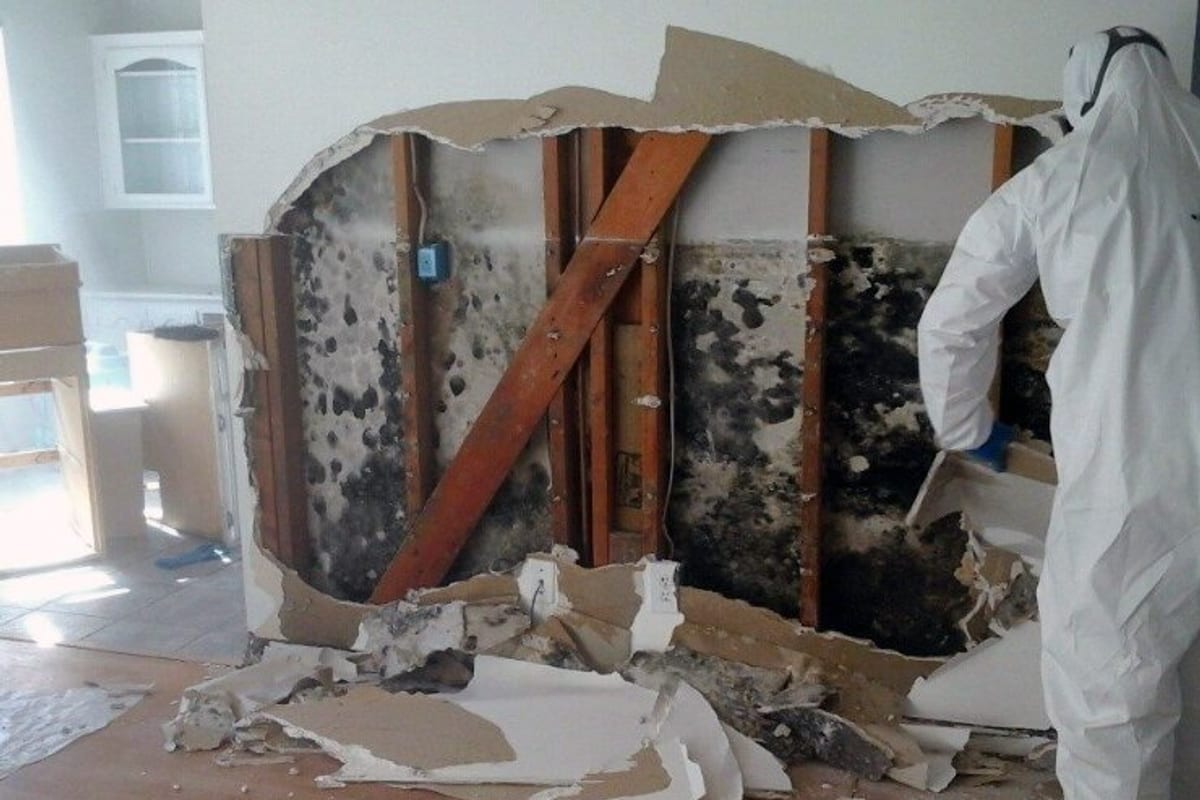
A Pennsylvania landlord’s core mold responsibility is to keep the building fit to live in: respond promptly to written complaints, fix the moisture source, remove damaged materials, and keep records that show what was done. Pennsylvania has no mold-specific landlord statute, but the implied warranty of habitability, local property maintenance codes, and your lease all point the same direction.
This guide covers how to respond to a complaint, what to check at every turnover, how to divide tenant and owner tasks in the lease, how to document work, and when to bring in a remediation crew.
General information, not legal advice. Landlord obligations depend on your lease, your municipality’s codes, and the facts of each case. Talk with a Pennsylvania attorney about specific disputes, and check official sources listed below.
The Legal Framework in Plain Terms
Three things shape a landlord’s duties on mold in Pennsylvania:
- The implied warranty of habitability. Recognized by the Pennsylvania Supreme Court in Pugh v. Holmes (1979), it means a residential unit must be fit to live in, whatever the lease says. Serious, unrepaired mold tied to a leak or building defect can fall under it.
- Local codes. Many boroughs and townships enforce a property maintenance code that addresses leaks, ventilation, and sanitation. Gettysburg Borough runs rental licensing and inspection for rentals in the borough. Check the Borough of Gettysburg website or call the borough office for current requirements.
- The Landlord and Tenant Act of 1951. It covers security deposits and other basics. The text is available through the Pennsylvania General Assembly. The Pennsylvania Office of Attorney General also publishes consumer guidance for landlords and tenants.
There is no state or federal numeric limit for indoor mold. That cuts both ways. A clean lab report does not end a complaint, and a high spore count does not by itself prove a violation. What matters in practice is moisture, visible damage, and your response.
Responding to a Tenant Mold Complaint
The first 48 hours shape how the whole complaint goes. Water-damaged materials can begin growing mold within 24-48 hours, according to the EPA’s mold guidance, so a fast response limits both the damage and the dispute.
A response sequence that works
- Acknowledge in writing the same day. A short email: “Received your report about the bathroom ceiling. We will inspect on [date].”
- Inspect with a moisture meter and hygrometer. Look for the source, not just the stain. Take photos and readings.
- Stop active water first. Shut off a leaking supply line, tarp a roof, or get a plumber in before anything else.
- Decide the scope. Small surface mildew on hard surfaces is a cleaning task. Growth over about 10 sq ft (0.9 m²), on drywall, or inside cavities is a remediation job.
- Tell the tenant the plan and timeline in writing. Include access dates and whether any rooms will be closed off.
- Do the work and dry it out. Confirm materials read dry before closing walls.
- Close the loop. Send a final note with what was fixed, photos, and any tenant tasks going forward.
What not to do
- Paint over stains without finding the cause. Mold-resistant paint over wet drywall fails.
- Argue cause before inspecting. Tenants and owners both lose ground when the conversation starts with blame.
- Ignore a second complaint about the same spot. Repeat complaints are where small jobs become disputes.
- Send a handyman to sand or demo moldy drywall without containment in an occupied unit.
Who Handles What: Lease Language That Helps
Clear lease terms prevent arguments. A lease cannot waive the warranty of habitability, but it can spell out reasonable tenant duties.
| Task | Usually tenant | Usually landlord |
|---|---|---|
| Running bath and kitchen fans | Yes | Provide working fans |
| Cleaning surface mildew on tile and caulk | Yes | Re-caulk at turnover |
| Reporting leaks and stains promptly | Yes | Repair promptly |
| Keeping indoor humidity reasonable | Yes, daily habits | Fix building moisture sources |
| Roof, plumbing, window, and foundation leaks | No | Yes |
| Growth inside walls, ceilings, crawl spaces | No | Yes |
| Shared basements and common areas | No | Yes |
A written mold and moisture addendum is common. It should ask tenants to report leaks within a set time, run fans, avoid drying laundry indoors without ventilation, and allow access for inspections. Keep it reasonable. An addendum that tries to shift building repairs onto the tenant is unlikely to hold up.
Turnover Inspection Scope
Turnover is the cheapest time to find mold, because the unit is empty and you can see behind furniture. Build a standard checklist and use it every time.
Bathroom
- Exhaust fan runs and actually vents outdoors, not into the attic. Hold a tissue at the grille; it should pull. Our guide on bathroom fans venting into the attic explains why this is a common hidden problem.
- Caulk at the tub and shower is intact. Replace it if it is stained or pulling away.
- Drywall around the tub reads dry on a moisture meter.
- Ceiling above the shower has no staining or peeling.
- Toilet base is solid with no soft flooring.
Kitchen
- Under-sink cabinet floor is dry and solid. Check supply lines and the drain trap. See our guide on mold under the kitchen sink.
- Range hood or exhaust fan works.
- Dishwasher and refrigerator water lines are not dripping.
Windows and exterior walls
- Sills and the drywall below windows show no staining.
- Closets on exterior walls, especially corner closets, smell normal and show no growth on the back wall.
- Behind where the tenant’s bed or dresser stood, check for dark spotting.
Basement, crawl space, and attic
- Basement relative humidity is under 60%. Keep a dehumidifier running and draining continuously in damp basements.
- Sump pump runs when tested.
- Attic sheathing has no dark staining, and insulation is not covering soffit vents.
- Gutters and downspouts discharge 4-6 ft (1.2-1.8 m) from the foundation.
Flooring
- Carpet and pad in basements or near exterior doors are dry, with no musty smell.
- Vinyl and laminate are not lifting or soft.
Record readings and photos on the checklist and file it with the lease. A dated turnover report showing a dry, clean unit is strong evidence if a tenant later claims mold existed at move-in.
Old Buildings Need a Different Approach
Gettysburg rentals are often older homes. According to U.S. Census Bureau ACS 2020-2024 5-year estimates, 47.5% of housing units in Gettysburg borough were built before 1940, and the median year built is 1942. Those buildings bring specific issues:
- Plaster walls hold moisture differently from drywall and can hide growth behind wallpaper or paint. See our guide on mold on plaster walls in old homes.
- Stone foundations pass ground moisture, so basement storage and finished spaces need extra care.
- Lead paint. In housing built before 1978, work that disturbs painted surfaces generally falls under the EPA Renovation, Repair and Painting (RRP) rule, which requires a certified firm and lead-safe work practices. Federal law also requires lead disclosure to tenants in pre-1978 housing. Details are on the EPA lead page.
A mold scope in a pre-1978 rental should account for both mold containment and lead-safe practices when painted materials are removed.
Documenting Remediation
When a remediation job is finished, keep a file that includes:
- The original complaint and your written acknowledgment.
- Photos before, during, and after.
- The moisture source found and how it was fixed.
- The written scope of work and invoice.
- Moisture readings showing materials dried before rebuild.
- Clearance results, if a clearance inspection was done. Our guide on mold clearance testing covers what that involves.
- The final note sent to the tenant.
Keep these files for as long as you own the building. They matter for future tenants, for insurance claims, and when you sell, because Pennsylvania’s seller disclosure rules ask about known defects. Our guide to selling a house with mold in Pennsylvania covers that side.
When to Hire a Remediation Crew
Bring in professionals when:
- Growth covers more than about 10 sq ft (0.9 m²), or appears in more than one room.
- Mold is on drywall, insulation, subfloor, or framing that must come out.
- The source was a sewage backup or floodwater.
- A tenant has health concerns and the unit is occupied during work.
- The building has shared HVAC or shared walls that could spread dust.
A proper crew sets up containment, uses HEPA air filtration, removes damaged porous materials, cleans framing, dries the space, and documents the job following IICRC S520 guidance. Ask for a written scope before work starts. For pricing, our mold remediation cost page lists national published benchmarks from sources like Angi and HomeGuide. Those are not local quotes; every job is priced after an on-site look.
Security Deposits and Mold
At move-out, the Landlord and Tenant Act generally requires returning the deposit, or a written itemized list of damages, within 30 days after the lease ends and the tenant gives a forwarding address. If you deduct for mold, be ready to show the tenant caused it, with turnover photos and the move-in report. Deductions for mold caused by a leak or building defect are hard to justify. Confirm the current rules with an attorney.
Frequently Asked Questions
Does a Pennsylvania landlord have to disclose past mold to new tenants?
Pennsylvania has no general statute requiring mold disclosure to tenants, unlike the federal lead disclosure rule for pre-1978 housing. Hiding a known, unrepaired condition still creates risk under habitability and misrepresentation principles. Being upfront about past repairs, with documentation, is usually the safer course. Ask your attorney.
Can I charge a tenant for mold remediation?
Only when the tenant caused the damage, for example by ignoring a leak they were required to report, or by damaging the unit. Ordinary wear and building moisture problems are the owner’s cost. Documentation decides most of these disputes.
How fast should I respond to a mold complaint?
Acknowledge in writing right away and inspect within a few days. If there is active water, treat it as urgent. Wet materials can start growing mold within 24-48 hours.
Should I test for mold after every complaint?
No. When mold is visible, EPA says sampling is usually unnecessary. Testing makes sense when there is a musty smell with no visible growth, a dispute, or a need for clearance documentation.
Help for Property Owners and Managers
Rental properties, multi-unit buildings, and mixed-use buildings in downtown Gettysburg need work scheduled around tenants and businesses. Our commercial mold remediation service handles multi-unit and income properties with containment and written documentation. Contact us to set up a turnover inspection or a response to an active complaint.