
Mold in Air Ducts: Signs to Look For and When Duct Cleaning Helps
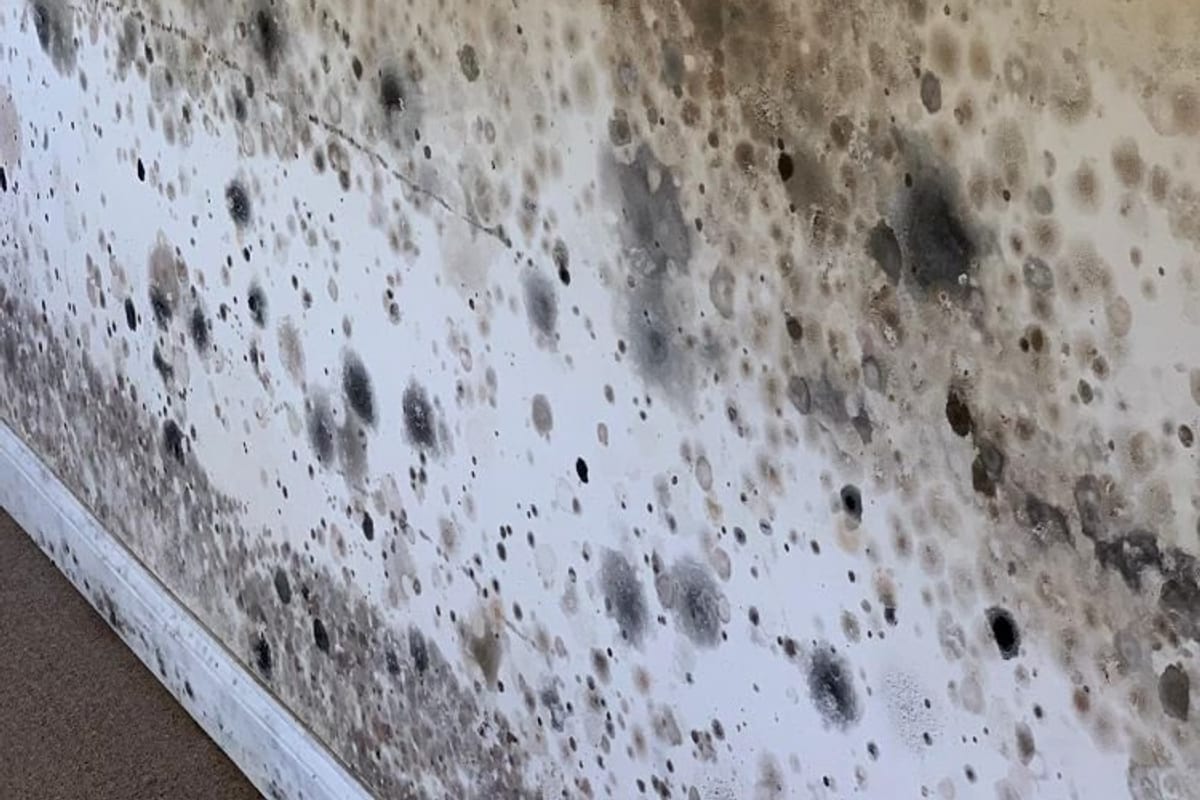
The most reliable signs of mold in an HVAC system are a musty smell that starts or gets stronger when the system runs and visible growth inside the air handler, on the coil, in the drain pan or inside the ducts themselves. Dust on a vent grille alone is not proof of mold, and duct cleaning only helps when there is real growth and the moisture causing it has been fixed.
This guide covers the signs that point to mold in ducts, the look-alikes that do not, where mold actually starts in a heating and cooling system, what the EPA says about duct cleaning and when ducts need to be replaced instead of cleaned.
Signs That Point to Mold in the HVAC System
These signs are worth taking seriously, especially when you notice more than one.
- A musty or earthy smell when the air conditioning or heat turns on, which fades when the system is off.
- Visible growth inside the system, on the evaporator coil, the blower, the drain pan or the inside surface of the ducts near the air handler.
- Standing water or slime in the condensate drain pan, or a drain line that keeps clogging.
- Water stains or rust on the air handler cabinet, the floor around it or the ceiling below an attic unit.
- Wet or sweating ductwork in the basement, crawl space or attic during humid weather.
- Dark growth on the face of supply registers that comes back after cleaning, especially in rooms where the ceiling or wall around the register also shows spots.
- Symptoms that ease when you leave the house and seem worse when the system runs, such as stuffy nose or itchy eyes. Symptoms alone cannot confirm mold, but they are a reason to look. See our guide to black mold signs and health.
Look-Alikes That Are Usually Not Duct Mold
Not every dark mark near a vent means mold is growing in the ducts. Three common look-alikes:
| What you see | Usually means | How to tell |
|---|---|---|
| Gray, fuzzy buildup on return grilles | Ordinary dust and lint | Wipes off dry, no smell, grille is not damp |
| Dark streaks on the ceiling around a supply register | Dust pattern from air leakage, or soot from candles | Even streaks along the airflow, not spotty colonies |
| Black spots on the register face and surrounding drywall | Condensation from cold air hitting a humid room | Damp in summer, often on registers in humid rooms |
The third case is real mold, but it is growing on the outside of the register and the ceiling, not inside the ducts. The fix is controlling room humidity and sealing air leaks around the register boot. Cleaning the ducts will not help.
Where Mold Actually Starts in an HVAC System
Mold in a cooling system almost always starts where water is: the evaporator coil and the condensate drain pan. When your air conditioner runs, the coil gets cold enough to pull water out of the air. That water drips into a pan and drains away through a pipe. Dust that gets past the filter sticks to the wet coil and pan. Add warm temperatures and you have everything mold needs.
Evaporator coil
A dirty coil holds water longer and collects organic dust. Growth on the coil can spread odor through every room the system serves.
Condensate drain pan and line
If the pan does not drain completely, or the drain line clogs with algae and sludge, water sits in the pan. Overflow from a clogged line can soak the air handler cabinet, the floor and nearby insulation. A float switch that shuts the system off when the pan fills is cheap protection.
Duct liner and duct board
Some systems use ducts lined with fiberglass on the inside, or ducts made entirely from fiberglass duct board. These porous surfaces trap dust and hold moisture. Once mold grows into them, it is very hard to clean out.
Ducts in unconditioned spaces
Ducts that run through a damp crawl space or a hot attic can sweat on the outside during humid weather if they are uninsulated or the insulation is damaged. That wets the insulation, the framing around the duct and sometimes the duct interior where joints leak. Our guide to crawl space vapor barriers vs. encapsulation explains why sweating ducts are so common in vented crawl spaces.
What the EPA Says About Duct Cleaning
The EPA’s guide Should You Have the Air Ducts in Your Home Cleaned? is the best plain-language reference on this. Its main points:
- Duct cleaning has not been shown to prevent health problems, and dust in ducts does not necessarily get into the air you breathe.
- You may want to consider cleaning when there is substantial visible mold growth inside hard-surface ducts or other parts of the heating and cooling system, when ducts are infested with insects or rodents, or when ducts are clogged with excessive dust and debris that is being released into the home.
- Cleaning will not solve the problem if the moisture that caused the mold is not corrected. The mold will return.
- Insulated ducts that are moldy, including duct board and lined ducts, generally cannot be effectively cleaned and should be removed and replaced.
- Ask about biocides and sealants before they are used. EPA advises understanding the pros and cons and whether a product is registered for use in ducts. Chemical treatments should never replace physical removal of the mold.
The National Air Duct Cleaners Association (NADCA) publishes industry standards for duct cleaning and system assessment. It is reasonable to ask a contractor which standard they follow.
When Cleaning Helps and When It Does Not
Cleaning helps when there is visible growth on hard, nonporous surfaces like sheet metal, and the moisture source has been fixed. It does little when the real problem is somewhere else.
Cleaning is likely to help when:
- Growth is visible on sheet-metal duct interiors, the blower or the air handler cabinet.
- The coil and drain pan have growth and are cleaned at the same time.
- The cause, such as a clogged condensate line, has been repaired.
- The house had a water event that wet the ductwork, and the ducts are metal.
Cleaning is unlikely to help when:
- The only evidence is dust on grilles.
- The musty smell is coming from a basement, crawl space or wall cavity and is just being carried by the system. A musty smell with no visible mold has many possible sources.
- Mold has grown into fiberglass duct liner or duct board. Replacement is the realistic fix.
- Indoor humidity stays above 60%. Mold will regrow.
A proper HVAC mold job
Done correctly, HVAC mold work usually includes:
- An inspection of the air handler, coil, drain pan and accessible ducts, with photos.
- Repair of the moisture source: drain line, pan, duct insulation, air leaks or humidity.
- Source removal cleaning of hard surfaces under negative pressure with HEPA filtration, so dislodged debris is captured.
- Cleaning of the coil and drain pan.
- Removal and replacement of contaminated porous duct materials.
- A new filter and a check that the system is sealed so it does not pull air from the crawl space or attic.
For price ranges, our cost page lists national published benchmarks from Angi and HomeGuide. Those are not local quotes.
How to Keep Mold Out of Your Ducts
- Change the filter on schedule. A MERV 8 to 13 filter catches far more dust than a basic fiberglass filter, if your system can handle the airflow. Ask your HVAC technician.
- Have the coil and drain pan checked during annual maintenance, before cooling season.
- Flush the condensate line each spring, and add a float switch if there is none.
- Keep indoor humidity between 30% and 50%, as the EPA recommends in A Brief Guide to Mold, Moisture and Your Home.
- Insulate and seal ducts in attics and crawl spaces.
- Do not run the AC in a closed-up house that stays empty for weeks without humidity control. Set the thermostat and a dehumidifier so the house stays below 60% RH while you are away.
- Avoid an oversized air conditioner. A unit that cools quickly and shuts off removes less moisture, leaving the house cool but clammy.
What You Can Check Yourself
Turn the system off at the thermostat and the breaker or service switch before opening anything.
- Pull the filter and look at the slot and blower compartment with a flashlight.
- Look at the drain pan if you can see it. Water should not be standing in it for long.
- Remove a supply register in a room near the air handler and look inside with a flashlight and phone camera.
- Smell the air at a register right after the system starts.
Do not scrub or vacuum visible growth inside the system with a regular vacuum. You will spread spores through the house. If you see growth, leave it for a professional.
Frequently Asked Questions
Can I spray something into my vents to kill mold?
It is not a good idea. Spraying a product into ducts does not remove the mold, can leave residue in the air you breathe and may not be labeled for that use. The EPA advises that chemical treatment should not replace physical cleaning and fixing the moisture.
How often should air ducts be cleaned?
The EPA does not recommend routine duct cleaning on a fixed schedule. Clean when there is a specific reason, such as visible mold growth, pests or heavy debris.
Does a UV light in the air handler prevent mold?
UV lamps aimed at the coil can reduce growth on that surface in some systems. They do not fix a clogged drain, high humidity or mold in ductwork, and the lamps need regular replacement.
Should I test the air for mold in my ducts?
Usually not. If you can see growth, sampling rarely changes the plan. Testing can help when there is a strong smell and no visible source. Our guide on mold inspection vs. testing explains when it is worth it.
Have the System Looked At
If you smell mold when the system runs, see growth near the coil or drain pan, or have sweating ductwork in a crawl space or attic, the cause needs to be found before anything is cleaned. Our HVAC and air duct mold cleaning service covers inspection, cleaning of hard surfaces and replacement of porous duct materials when they cannot be cleaned. Contact us or call (717) 256-4434 to schedule a visit.