
Historic Gettysburg Homes and Mold: A Room-by-Room Guide for Older Houses
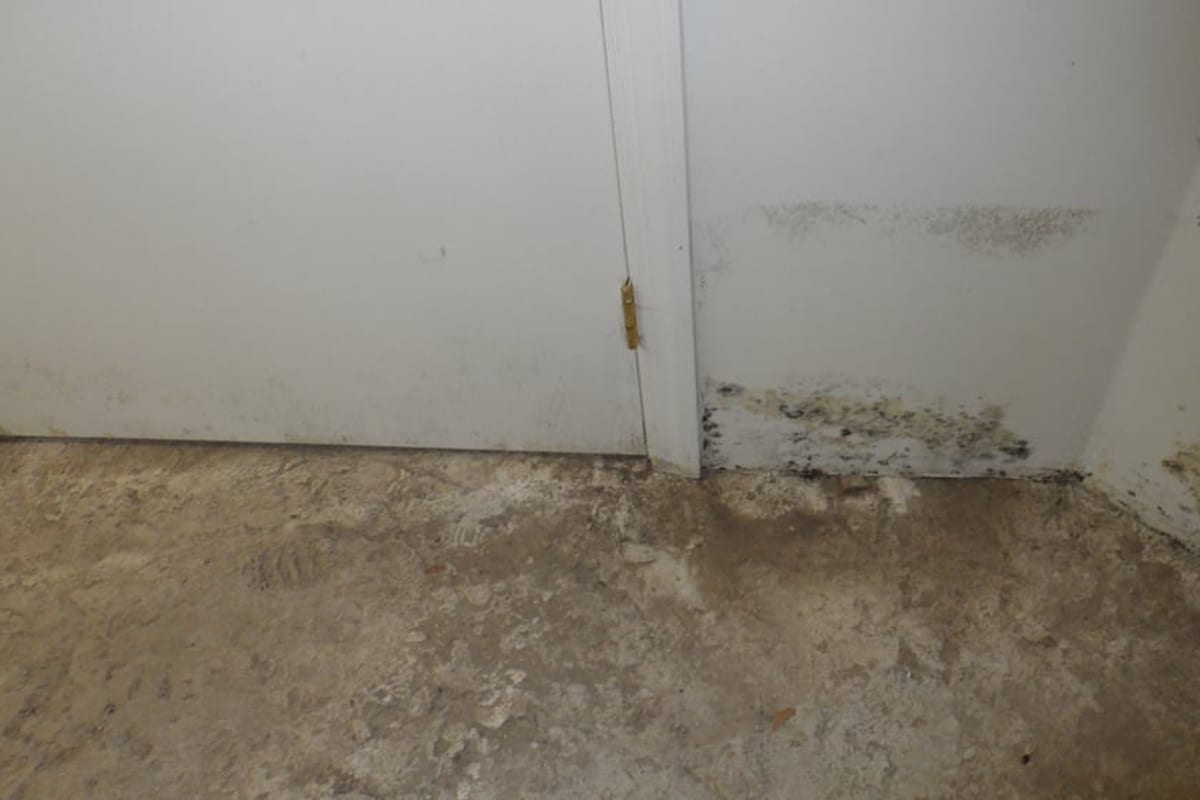
Mold in historic Gettysburg homes usually comes from the way old materials handle water: stone and lime mortar let moisture move through, plaster and wood hold it, and later “upgrades” such as cement patches, vinyl siding or plastic-backed finishes can trap it. The fix is rarely to make an old house act like a new one. It is to find where water gets in, let the building dry the way it was designed to, and remove damaged material without destroying features that cannot be replaced.
This guide is an overview for owners of older homes. It covers how many local homes fall into this group, how each part of an old house behaves with moisture, the safety and permit questions that come before any repair, and where to go deeper on specific problems.
How Many Local Homes Are Old Enough for This to Matter
Gettysburg has an unusually old housing stock, even by Pennsylvania standards. According to U.S. Census Bureau ACS 2020-2024 5-year estimates:
| Area | Housing units built before 1940 | Median year built |
|---|---|---|
| Gettysburg borough | 47.5% (of 2,801 units) | 1942 |
| York Springs borough | 54.3% | 1938 |
| Arendtsville borough | 40.7% | - |
| Fairfield borough | 40.4% | - |
| Adams County overall | 17.5% (of 43,672 units) | 1980 |
| Pennsylvania overall | 25.0% | 1965 |
In other words, nearly half the homes in the borough were built before 1940. Many predate modern foundation waterproofing, vapor control, insulation and mechanical ventilation. The same census data shows about 47% of Gettysburg borough homes are owner-occupied, so a large share are rentals. If you rent, see our guide to mold in a rental in Pennsylvania.
Old Houses Were Built to Get Wet and Dry Out
Most pre-1940 houses were built with materials that absorb some water and then release it. Stone, brick, lime mortar, lime plaster and solid wood all do this. The houses also leaked a lot of air, and that airflow helped drying.
Over the decades, many have been changed in ways that slow drying:
- Cement-based mortar or stucco patched over lime mortar.
- Vinyl or aluminum siding installed over original wood clapboard.
- Insulation blown into wall cavities that were never designed for it.
- Basements finished with drywall, carpet and foam against stone walls.
- Modern acrylic or elastomeric paints on masonry.
- Tight replacement windows with no change to ventilation.
None of these is always wrong. Each one can shift where moisture collects. When mold shows up in an old house, the question to ask is what changed and where water now stays.
Part of the House by Part of the House
Fieldstone and rubble foundations
The basement is where most old-house mold starts. Stone foundations with lime mortar were usually built without exterior waterproofing or footing drains. Ground moisture moves through the wall, and summer humidity condenses on cool stone.
The common problems are wet joists and sill plates, mold on stored items, and finished-basement materials against damp walls. Our detailed guide to why old Gettysburg basements grow mold covers drainage, humidity targets and fixes. For framing, see mold on floor joists and subfloor.
Lime mortar and repointing
Lime mortar is softer and more vapor-open than modern Portland cement mortar. In a stone or brick wall, it acts as the sacrificial part, so moisture and salts exit through the joints instead of the stone or brick. When old walls are repointed with hard cement mortar, moisture can be trapped in the masonry, and the face of the brick or stone can spall.
For mold, that matters indirectly. A wall that cannot dry outward may stay damper on the inside, where wood and plaster touch it. The National Park Service’s Preservation Briefs include guidance on repointing historic masonry with compatible mortar.
Plaster walls and ceilings
Original walls in most pre-1940 homes are plaster over wood lath, or plaster applied directly to masonry. Plaster itself is a poor food source for mold. The paper on later drywall patches, the wood lath behind, and dust and paint on the surface are better ones.
Plaster on the inside of stone exterior walls often shows dampness at the base and corners, especially behind furniture. Our guide to mold on plaster walls in old homes covers how to read those signs, which repairs make it worse, and when plaster can be kept.
Original trim, doors and floors
Original baseboard, chair rail, door casings, wide-plank floors and staircases are often the most valuable materials in an old house, and they are often the first to touch wet walls or floors.
When trim has surface mold:
- Surface growth on sound, painted or finished wood can usually be cleaned.
- Before removing trim to reach a wet wall, number each piece and photograph its location.
- Pry carefully with a wide flat bar against a protective block, so the wall and trim both survive.
- Check the back of trim and the wall behind it for growth and moisture.
- Let wood dry slowly, not with heat aimed at it, to reduce cracking and cupping.
Soft, crumbling or deeply decayed wood usually needs replacement, ideally with matching profiles and species.
Wood windows
Original wood windows with single-pane glass and storm windows sweat in winter. That wets the sill and the bottom rail of the sash. Our guide to mold on window sills and condensation covers indoor humidity, storm windows and old glazing. In basements, see window well leaks and basement mold.
Attics and roofs
Older attics often have little or no insulation, uneven ventilation and decades of roof repairs. They may also have bathroom fans and kitchen vents that were added later and end in the attic. See attic mold in Gettysburg homes and bathroom fan venting into the attic.
Safety Checks Before You Open Anything
Opening walls, ceilings and floors in a pre-1940 home can disturb more than mold. Check these before work starts.
Lead paint
Homes built before 1978 may contain lead-based paint, and homes built before 1940 are especially likely to. Scraping, sanding, cutting and demolishing painted surfaces creates lead dust. Under the EPA’s Renovation, Repair and Painting (RRP) Rule, contractors paid to disturb paint in pre-1978 homes generally must be RRP-certified firms and follow lead-safe work practices, unless testing shows the paint is not lead-based. Mold remediation that removes painted plaster, trim or drywall can fall under this rule.
Ask any contractor how they will handle lead before work starts. Lead-safe practices and mold containment overlap in some ways, such as plastic sheeting and HEPA vacuums, but they are not identical.
Asbestos
Older homes may have asbestos in pipe and boiler insulation, some plaster and texture coats, floor tiles and mastic, and roofing. If remediation will disturb materials that could contain asbestos, have them tested before work starts. Do not cut or sand suspected materials.
Old wiring
Knob-and-tube wiring and early cloth-insulated wiring may run through walls and ceilings. Water and old wiring are a bad combination. If walls or ceilings were wet, have an electrician check before power is restored to affected circuits.
Permits and the Historic District
Inside the Gettysburg borough’s historic district, exterior changes that are visible from a public way can require review. The Gettysburg Historic Architectural Review Board (HARB) reviews applications for a Certificate of Appropriateness. That can include changes to windows, siding, masonry, roofing and doors.
Interior mold remediation usually does not involve HARB, but exterior moisture fixes often do. Replacing siding to fix trapped moisture, repointing a visible foundation, or changing windows are examples. Building permits are a separate question from historic review. Check both with the borough before you commit to a fix. Other boroughs and townships have their own rules.
This is general information, not legal advice. Requirements change, so confirm with the borough directly.
What to Check First in an Old House
If you own or are buying an older home, these are the first places to look, roughly in order:
- Gutters and downspouts. Overflowing gutters soak masonry and foundations.
- Grade at the foundation. Soil should slope away. Old lots often settle toward the house.
- Basement humidity. A hygrometer reading above 60% for long periods is a warning.
- The base of exterior walls inside. Look behind furniture and in closets.
- Under bathrooms and kitchens. Old plumbing and later additions often leak.
- The attic after rain. Look for stains and wet sheathing.
- Any recent renovation. New finishes over old walls are where trapped moisture shows up first.
If you are buying, our buying a house with mold in Pennsylvania guide covers inspections and negotiation. If you are selling, see selling a house with mold in Pennsylvania.
When Remediation Is Needed in an Old House
The basic rules are the same in any home. The EPA says a homeowner can usually clean an area smaller than about 10 square feet on hard surfaces. Larger areas, growth in wall cavities, and wet porous materials call for professional work with containment.
The difference in an old house is planning. A good remediation scope for a historic home will:
- Identify which materials are original and worth saving.
- Address lead and asbestos before demolition.
- Fix the moisture source with methods compatible with old materials.
- Remove damaged material as narrowly as practical.
- Let masonry and wood dry before rebuild.
- Avoid adding vapor-tight layers against old walls without a moisture plan.
Frequently Asked Questions
Are old houses more likely to have mold?
Not automatically, but they are more likely to have the conditions for it: no foundation waterproofing, damp masonry, uninsulated walls and past alterations that trap moisture. A well-maintained old house with good drainage and humidity control can be quite dry.
Can I keep original plaster and trim if there is mold?
Often, yes. Plaster and finished wood with surface mold can frequently be cleaned and dried. Material that is soft, crumbling, delaminating or deeply decayed usually needs to be removed. Our plaster walls guide goes into the details.
Do I need HARB approval for mold remediation?
Interior remediation typically does not, but exterior work that changes visible features may. Check with Gettysburg borough before making exterior changes such as siding, window or masonry work inside the historic district.
Should I seal or paint my stone basement walls?
Usually not as a first step. Many coatings trap moisture in stone and lime mortar and peel. Fix drainage and humidity first. Our basement guide covers why.
Help With Mold in an Older Home
Our basement mold remediation service is often where work on an older house begins, because the foundation drives so much of the moisture. We plan around original materials, lead-safe requirements and the moisture source. Contact us to schedule an assessment in Gettysburg, the historic district, or nearby boroughs.