
Mold on Clothes and Furniture: What to Clean and What to Throw Out
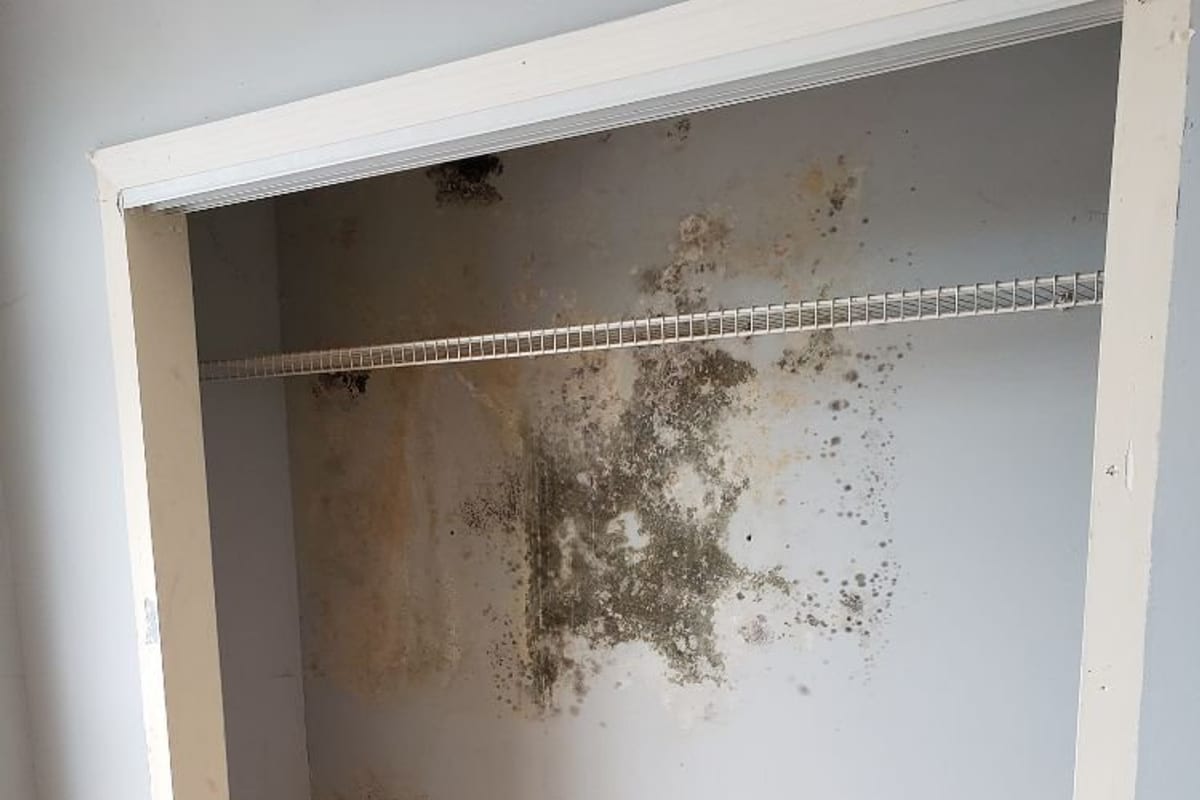
Washable clothes and solid wood or metal furniture can usually be cleaned and kept, while mattresses, upholstered furniture, and pillows with mold growing in them are usually discarded, and anything soaked by floodwater or sewage generally goes. The deciding factors are how porous the item is, what kind of water it touched, and whether it is worth paying a specialist to restore.
This guide covers how to sort belongings, how to clean clothes and hard furniture, what to do about soft furniture and mattresses, how to handle books, papers and keepsakes, and how to avoid carrying mold into a clean room.
Start by Sorting, Not Scrubbing
Fix the moisture and get the items out of the damp space before you clean anything. Cleaning a dresser inside a basement that sits at 70% humidity only buys a few weeks.
Set up three areas, ideally outdoors on a dry day or in a garage:
- Clean and keep. Items with a hard or washable surface and only light growth.
- Specialist. Valuable, sentimental, or dry-clean-only items worth paying to restore.
- Discard. Porous items with mold growing into them, or anything soaked by contaminated water.
Wear gloves, goggles and an N95 respirator while sorting. Handling moldy fabrics and paper stirs up spores. Bag items in the room before carrying them through the house, and seal the bags.
A Quick Decision Table
The U.S. Environmental Protection Agency (EPA) says porous and absorbent materials that become moldy may have to be thrown away, because mold can grow into the empty spaces and crevices of those materials and may be impossible to remove completely. That principle is behind most of this table.
| Item | Usually | Notes |
|---|---|---|
| Washable clothes, linens, towels | Clean | Launder promptly; discard if stained or smelly after 2 washes |
| Dry-clean-only clothing | Specialist | Tell the cleaner it is mold; some will not accept it |
| Leather shoes, belts, bags | Clean if light | Wipe, dry slowly; discard if growth is deep or leather is stiff |
| Solid wood furniture | Clean | HEPA vacuum, damp-wipe, dry; refinish if growth is in the finish |
| Particleboard or MDF furniture | Discard if swollen | Swollen or soft panels do not recover |
| Metal, glass, plastic, ceramic | Clean | Detergent and water, then dry |
| Upholstered sofas and chairs | Discard if growth is in the cushion or frame | Light surface growth may be cleaned by a professional |
| Mattresses and box springs | Discard | Cannot be cleaned through the interior |
| Pillows, stuffed toys | Discard | Unless machine-washable and only lightly affected |
| Books and papers | Discard or specialist | Freeze valuable items until a conservator can help |
| Photos and documents | Specialist | Do not try to separate stuck photos by force |
| Anything soaked by floodwater or sewage | Discard most soft items | Hard items can be cleaned and disinfected |
Cleaning Moldy Clothes and Fabrics
Most washable fabrics come through mold just fine if they are washed promptly and dried completely.
- Shake or brush items outdoors first, so you are not putting loose spores into the washer. Do this downwind and wear your respirator.
- Wash in the warmest water the fabric label allows, with regular detergent. Do not overload the machine; fabric needs room to rinse.
- Run a second wash if there is still a smell or visible staining.
- Dry completely. A hot dryer, if the fabric allows, or full sun on a dry day. Damp clothes in a pile will regrow mold within days.
- Check before putting them away. If there is still a musty smell or dark spotting after two washes, the item is probably not worth saving.
Oxygen bleach or color-safe bleach can help with stains on fabrics that tolerate it. Chlorine bleach on cotton whites is fine for stains if the label allows it, but follow the label and never mix it with other cleaners. Our guide on whether bleach kills mold explains why bleach is not the main tool in mold cleanup.
Dry-clean-only and delicate items
Bag these separately and take them to a dry cleaner, telling them the items have mold. Wedding dresses, wool coats, and heirloom textiles may need a textile conservator.
Cleaning Hard Furniture
Solid wood, metal and plastic furniture can usually be saved with HEPA vacuuming, a detergent wipe, and thorough drying.
- Move it outside or to a dry room with good airflow.
- HEPA vacuum all surfaces, including drawer interiors, undersides and the back panel. The back of a dresser pushed against a damp wall is often where the growth is heaviest.
- Wipe with a cloth dampened with detergent and water. Wring it out well; do not soak wood.
- Wipe again with a clean, damp cloth, then dry with a towel.
- Let it air-dry fully before moving it back. A dehumidified room at 30-50% relative humidity is ideal.
- Check unfinished surfaces. Drawer bottoms and backs are often raw wood. If growth has stained them, light sanding outdoors with a respirator, followed by HEPA vacuuming, can help.
Pressed-wood furniture is a different story. Particleboard and MDF swell and crumble when wet, and mold grows easily into them. If panels are swollen, it is usually time to let the piece go.
Upholstered Furniture and Mattresses
If mold is growing on the cushions, padding or frame of a sofa, chair or mattress, it is usually not salvageable. EPA lists upholstered furniture among materials that may need to be discarded once moldy. Foam and batting hold moisture and spores deep inside where no surface cleaning reaches.
There are a few exceptions where a professional upholstery cleaner may help:
- The growth is light, limited to the surface fabric, and caught early.
- The item was wet with clean water and dried within 24-48 hours, with no smell.
- The piece is antique or valuable enough to justify having it reupholstered with new padding.
For mattresses, even light growth on the cover usually means the interior is affected. Replacing the mattress is the practical answer.
Books, Papers, Photos and Keepsakes
Paper is cellulose, which mold readily feeds on.
- Everyday books and magazines with mold growth are usually discarded.
- Important documents like deeds, tax papers and certificates can be photocopied or scanned before discarding the originals, or saved by a specialist.
- Valuable or sentimental items can be placed in sealed freezer bags and frozen. Freezing stops mold growth and gives you time to find a professional conservator. Do not try to dry stuck pages or photos by pulling them apart.
- Photographs that are wet can sometimes be rinsed in clean, cool water and air-dried face up, but heirloom photos are best handled by a conservator.
After a Flood or Sewage Backup
Soft items soaked by floodwater or sewage are generally thrown out, whether or not mold is visible yet. The CDC’s mold and health guidance and its disaster cleanup advice treat floodwater as contaminated. Hard items such as metal furniture, dishes and glass can be cleaned and disinfected.
If your belongings were damaged in a flood, photograph everything before you throw it out and make a list for your insurer. Our guide on flood insurance and mold in Adams County and FloodSmart.gov cover what flood policies generally address for contents. Policies vary, so read your own. This is general information, not insurance advice.
Do Not Carry Mold Back In
Cleaned belongings will grow mold again if they go back into the same damp space.
- Find out why the items got moldy. A closet on an outside wall, a basement with high humidity, or a leak behind a dresser. Our guide to mold in closets covers one of the most common sources.
- Store items off the floor and a few inches away from exterior and foundation walls.
- Use plastic bins, not cardboard, in basements and attics.
- Keep humidity below 60% with a dehumidifier where belongings are stored.
If mold is on your belongings, check the room as well. Growth on clothing in a closet often means there is growth on the wall behind it, or under the carpet. Our black mold signs guide explains what to look for.
Frequently Asked Questions
Can mold be washed out of clothes?
Usually, yes. Most washable fabrics can be cleaned with detergent in the warmest water the label allows, followed by complete drying. If an item still smells musty or shows dark spots after two washes, it is probably best to discard it.
Should I throw out a couch with mold on it?
If mold is growing into the cushions, padding or frame, yes in most cases. EPA notes that porous materials like upholstery may need to be discarded once moldy. Light surface growth caught quickly can sometimes be cleaned by a professional upholstery cleaner.
Can I keep wood furniture that had mold?
Usually. Solid wood can be HEPA vacuumed, wiped with detergent, and dried. Check drawer bottoms and backs, which are often raw wood. Swollen particleboard or MDF should be discarded.
Do I need to test my belongings for mold?
No. EPA says testing is generally unnecessary when mold is visible. Decide based on what the item is made of, how it was wet, and whether it cleans up without stains or odor.
Help With Moldy Rooms and Contents
If belongings are moldy, the room they came from usually needs attention too. Our black mold removal service finds the moisture source, removes affected building materials, and dries the space so cleaned items can come home. For general pricing, see our mold remediation cost page, which explains national published benchmarks from Angi and HomeGuide rather than local quotes. Contact us to schedule a visit.