
Does Pennsylvania License Mold Contractors? HICPA, Local Rules and Related Permits
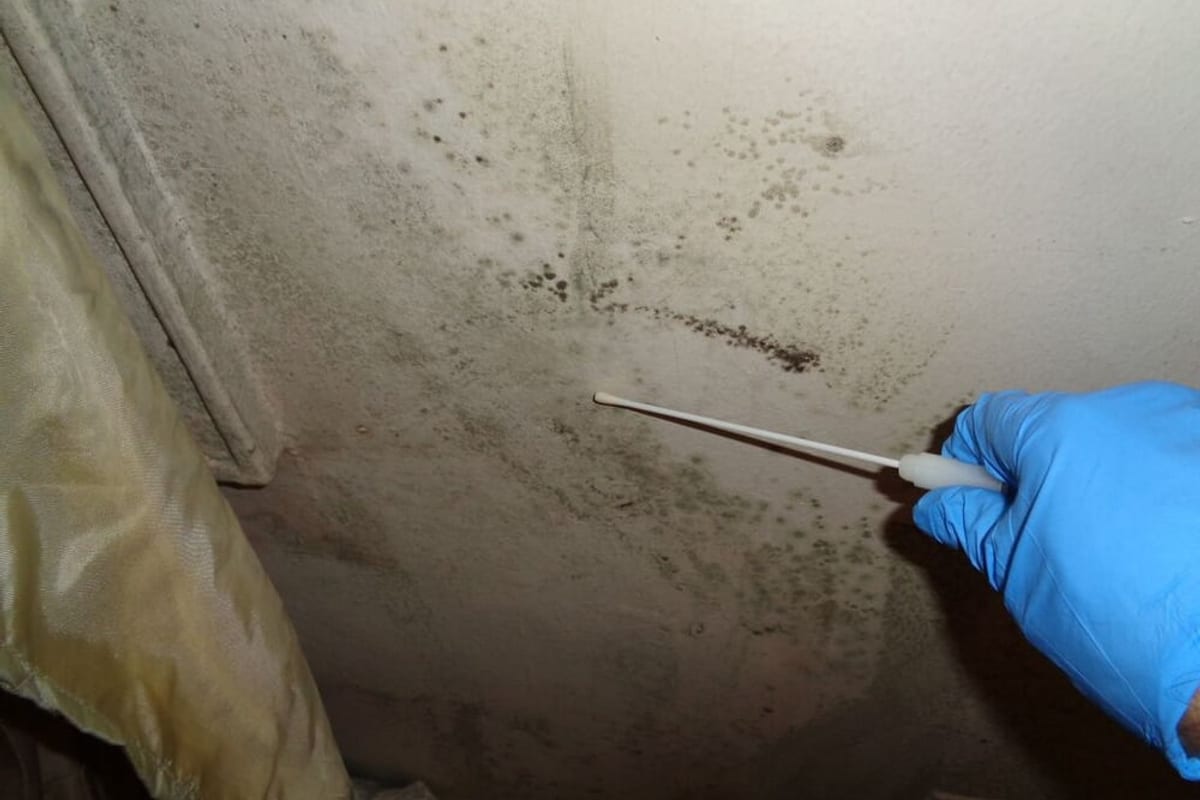
Pennsylvania does not issue a state license for mold remediation or mold assessment; instead, contractors doing home improvement work generally must register with the Attorney General under the Home Improvement Consumer Protection Act (HICPA), and separate state, local and federal rules can apply to building permits, asbestos and lead paint that a mold job may touch. Registration is a consumer-protection requirement, not a test of mold skills.
This guide explains what the law does and does not require for mold work in Pennsylvania, what HICPA registration actually means, which other licenses or permits can come into play, how other states handle mold licensing, and what to ask a contractor about their legal standing. It is general information, not legal advice. Laws change, so check current rules with the agencies named below or a Pennsylvania attorney.
For the practical side of hiring, such as vetting steps, written scopes and red flags, see our separate guide on how to choose a mold remediation company in Pennsylvania.
The Short Answer: No State Mold License
There is no Pennsylvania state agency that licenses mold remediators or mold inspectors, no state mold exam, and no state standard that mold jobs must be inspected against. That applies to:
- Mold remediation contractors, who remove and clean mold.
- Mold inspectors or assessors, who look for moisture and mold and may take samples.
- Mold testing, which is often done by inspectors and analyzed by private labs.
Industry standards exist. The IICRC S520 standard is the most widely cited professional standard for mold remediation, and the EPA’s mold remediation guide is often referenced. Private training and certification programs exist too. But in Pennsylvania, those are voluntary. No state body requires them or enforces them.
What HICPA Registration Is
HICPA (the Home Improvement Consumer Protection Act, Act 132 of 2008) is the main state law that applies to most residential mold remediation contractors in Pennsylvania. It applies to home improvement work on private residences, and work that removes and replaces drywall, insulation, flooring or framing generally fits that description.
What registration involves
In general terms, HICPA requires covered contractors to:
- Register with the Office of Attorney General and receive a registration number, usually shown as “PA” followed by digits.
- Display the registration number on contracts, estimates and advertising.
- Carry liability insurance at the minimums set by the Act.
- Renew the registration on a regular cycle.
What registration does not mean
- It is not a skills test. There is no exam on mold, moisture, containment or any other trade topic.
- It is not an endorsement by the Attorney General.
- It does not cover new home construction, which HICPA generally excludes.
- Some very small contractors may fall below the Act’s annual volume threshold. Check the Attorney General’s guidance for current thresholds and exemptions.
Checking a registration
The Attorney General’s Home Improvement Contractor search lets you look up a contractor by name or registration number. Confirm the registration is active and that the name matches the company on your estimate.
Contract rules under HICPA
HICPA also sets requirements for home improvement contracts, which apply to mold remediation contracts covered by the Act. In general, the contract must be in writing and signed, include the registration number, describe the work and the price, and give you notice of a right to cancel within 3 business days. The Act also limits up-front deposits on larger jobs. The Pennsylvania Attorney General’s website explains these rules and how to file a complaint.
Other Licenses and Permits a Mold Job Can Involve
A mold job is rarely only mold. Depending on what has to be removed and rebuilt, other rules may apply.
| Issue | Who handles it in Pennsylvania | When it comes up on a mold job |
|---|---|---|
| Building permits | Your municipality or its code agency, under the Pennsylvania Uniform Construction Code (UCC) | Replacing framing, structural repairs, some electrical, plumbing or HVAC work during rebuild |
| Local contractor licensing | Some municipalities, such as Philadelphia, require local contractor licenses | Depends on where the property is |
| Asbestos | Pennsylvania Department of Labor & Industry certifies asbestos abatement workers and contractors | Older drywall compound, plaster, flooring tiles, mastic, pipe insulation, vermiculite |
| Lead-based paint | EPA’s Renovation, Repair and Painting (RRP) rule; Pennsylvania also has lead certification requirements | Disturbing painted surfaces in homes built before 1978 |
| Historic district review | Local boards, such as Gettysburg’s HARB | Exterior changes in a designated historic district |
| Electrical, plumbing, HVAC | Local licensing where required | Replacing wiring, pipes or ductwork removed during remediation |
Building permits under the UCC
Pennsylvania’s Uniform Construction Code is administered locally. Some municipalities run their own code office, some contract with a third-party agency, and some rely on the state Department of Labor & Industry. Cleaning mold usually does not need a permit, but rebuilding often does. Call your borough or township office before work starts. In Gettysburg borough, start with the Borough’s permits and licenses page.
Asbestos and lead in older homes
This matters more than most homeowners expect. According to U.S. Census Bureau ACS 2020-2024 5-year estimates, 47.5% of Gettysburg borough’s housing units were built before 1940, and the median year built in Adams County overall is 1980. Homes of those ages can contain asbestos in plaster, joint compound, flooring and insulation, and lead in paint. A mold contractor who will be cutting out drywall, plaster or flooring should be able to explain how they will handle testing for those materials. The EPA’s lead renovation program page and asbestos pages explain the federal rules.
Historic district review
In Gettysburg’s historic district, exterior changes such as replacing siding, windows or trim during a repair may need review. The Historic Architectural Review Board (HARB) page explains the process.
How Other States Handle Mold Licensing
A handful of states license mold work directly, including Texas, New York and Florida. Their rules vary, but common features include:
- Separate licenses for assessors and remediators.
- Required training hours and exams.
- Written work plans prepared before remediation starts.
- Restrictions on the same company assessing and remediating the same project, in some states such as Texas and New York, to avoid conflicts of interest.
- Post-remediation assessment requirements in some cases.
Most states, like Pennsylvania, have no mold-specific license and rely on general contractor registration and consumer protection laws. If you are moving from a state with a mold license, do not assume Pennsylvania has an equivalent. If you hire a company that advertises a license from another state, that license has no legal effect here, though the training behind it may still be useful.
Does a Home Inspector Count?
Pennsylvania regulates home inspections done for real estate sales under its Home Inspection Law (68 Pa.C.S. Chapter 75). A standard home inspection is a visual look at the home’s systems and usually is not a mold inspection. Some home inspectors offer mold inspection or sampling as an add-on service. There is no separate state license for that add-on. Our guide on mold inspection vs. mold testing explains what each service should include, and our guide on buying a house with mold in Pennsylvania covers how that fits into a sale.
Questions to Ask About a Contractor’s Legal Standing
These focus on the legal side. For general vetting, use the checklist in our how to choose a mold remediation company guide.
- What is your PA HICPA registration number? Look it up yourself.
- Can you send a current certificate of insurance naming your general liability and workers’ compensation coverage?
- Who will pull any building permits needed for the rebuild?
- How will you check for asbestos and lead before cutting into plaster, drywall or flooring in an older home?
- Does your firm hold EPA RRP lead-safe credentials, and will a trained renovator be on site if the house was built before 1978?
- Will any work be subcontracted, and are those subcontractors registered and insured?
- Is the warranty in the signed contract? Our guide on what a mold remediation warranty should cover explains what to look for.
Landlords, Tenants and Sellers
Licensing questions come up in rental and sale situations too. A landlord hiring someone to fix mold in a rental, or a seller documenting a repair before listing, is better off with a registered contractor and a written scope. Our guides on landlord mold responsibilities and selling a house with mold cover those situations.
Frequently Asked Questions
Is it legal for anyone to do mold remediation in Pennsylvania?
There is no state mold license, so the mold work itself is not licensed. But contractors doing home improvement work generally must register under HICPA, and asbestos, lead, permit and local licensing rules can still apply.
Does a mold certification mean a contractor is licensed?
No. Private certifications show training, which is useful, but they are not a government license. In Pennsylvania, no government license for mold exists.
Can a homeowner do their own mold remediation?
Generally yes, in your own home, though permits may be needed for rebuilding and lead and asbestos precautions still matter. The EPA suggests areas over about 10 sq ft (0.9 m²) usually call for professional help. See is DIY mold removal safe?
Where do I report a problem with a mold contractor?
HICPA complaints go to the Pennsylvania Attorney General’s Bureau of Consumer Protection. The Attorney General’s website explains how to file. For a contract dispute, talk to a Pennsylvania attorney.
Getting an Independent Look First
If you want a clear picture of the moisture and mold before you talk to remediation contractors, a mold inspection gives you a scope to compare proposals against. Contact us with questions or to schedule one.