
Black Mold: Signs, Health Effects & What to Do in Pennsylvania
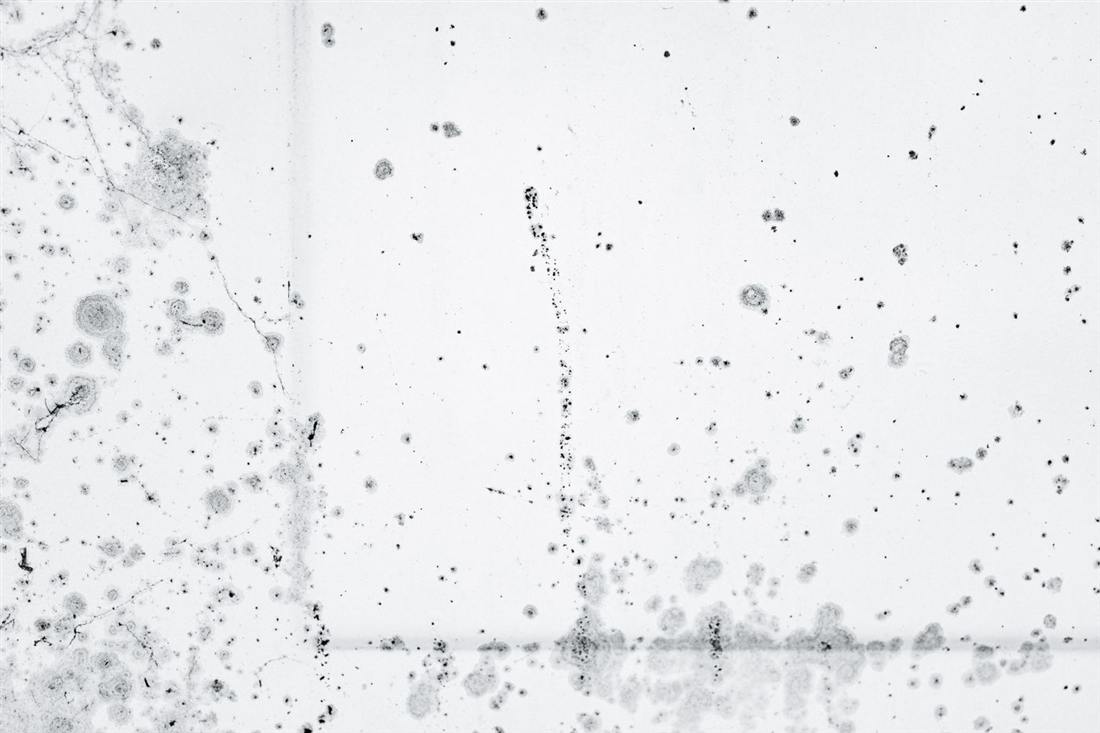
“Black mold” usually refers to Stachybotrys chartarum, a greenish-black mold that grows on materials such as drywall, wood, and ceiling tile that stay wet for days or weeks. You cannot confirm the species by color. Many common indoor molds, including Cladosporium and Aspergillus, can also look black. The Centers for Disease Control and Prevention (CDC) advises treating all indoor mold the same way: fix the moisture and remove the growth.
This guide covers how to spot black mold, how it differs from mildew, what health effects the CDC describes, when testing is worth it, and when a homeowner can clean it versus when to call for mold remediation Gettysburg PA service.
What Is Black Mold?
Stachybotrys chartarum is a mold that needs constant moisture and material rich in cellulose. Cellulose is the plant fiber in paper, wood, and cardboard. The paper face of drywall, wet ceiling tiles, and water-soaked wood are common places for it to grow.
Stachybotrys grows more slowly than many other molds and usually appears after a long-term leak or flooding, not after a brief spill. When you find it, the more urgent question is where the water came from.
The most common indoor molds
Black mold is only one of many molds found in homes. The most common indoor molds are:
- Cladosporium, often black or dark green, found on fabrics, wood, and window frames.
- Penicillium, often blue-green, found on water-damaged materials and in carpets.
- Aspergillus, found in many colors, common in household dust and on damp surfaces.
- Stachybotrys chartarum, greenish-black, found on wet cellulose materials.
6 Signs of Black Mold in Your Home
Look for these 6 signs:
- Dark green or black patches that look slimy when wet and powdery or sooty when dry.
- A musty, earthy odor, especially in a closed room, basement, or cabinet.
- Water stains or discoloration on ceilings, walls, or baseboards.
- Peeling, bubbling, or warped paint and wallpaper.
- Soft or crumbling drywall near a known leak, a tub, or an exterior wall.
- Recent or ongoing water problems, such as a roof leak, plumbing leak, or basement flooding.
In older Gettysburg homes, check below windows, behind furniture on exterior walls, under sinks, around toilets, and in basements with fieldstone walls. Our guide to basement mold in old Gettysburg homes explains why those basements stay damp.
Black Mold vs. Mildew: How to Tell the Difference
Mildew is flat surface growth that wipes off easily, while mold is fuzzy or slimy and often grows into the material. Both are fungi, and both need moisture.
| Feature | Mildew | Mold (including black mold) |
|---|---|---|
| Color | White, gray, or light yellow | Black, green, blue, brown, or other colors |
| Texture | Flat and powdery | Fuzzy, slimy, or raised |
| Where it grows | On the surface of shower grout, tile, and window sills | On and inside drywall, wood, insulation, and fabric |
| Cleanup | Detergent and a scrub brush | May require removal of the material |
| Returns after cleaning | Only if the surface stays damp | Often, if it has grown into porous material |
If a dark spot keeps coming back after cleaning, if it is on drywall or wood, or if the material underneath feels soft, treat it as mold growing into the material.
What the CDC Says About Health Effects
Mold can cause health effects for some people, and the risk is higher for people with asthma, allergies, or weakened immune systems. According to the CDC, exposure to damp and moldy environments may cause:
- Stuffy nose
- Wheezing
- Red or itchy eyes
- Skin irritation
People with mold allergies or asthma can have stronger reactions. People with weakened immune systems or chronic lung disease can be at risk of infections from certain molds.
The CDC also notes that the term “toxic mold” is not accurate. Some molds, including Stachybotrys chartarum, can produce toxins called mycotoxins, but the mold itself is not poisonous. Reports that link these molds in homes to rare health conditions are few, and a direct cause has not been proven. That is why the CDC recommends removing all indoor mold, whatever the color or species.
Read the CDC’s mold and health information for more detail. If you or a family member has symptoms you believe are related to mold, talk with a doctor. This article is not medical advice.
Should You Test for Black Mold?
In most cases, no. When mold is visible, the EPA and CDC both say sampling is usually unnecessary, because the cleanup is the same for every species. There are no federal limits for mold spores in indoor air, so a lab report cannot tell you a level is “safe.”
Testing is useful in 4 situations:
- You smell mold but cannot find it.
- You need documentation for a real estate transaction, a landlord, or an insurance claim.
- You want to check whether the HVAC system is spreading spores.
- You want a clearance test after professional remediation.
A professional mold inspection and testing visit focuses on finding moisture with meters and thermal imaging, not only on sampling air.
When DIY Cleanup Is OK
You can usually clean mold yourself if it covers less than about 10 sq ft (0.9 m²), roughly a 3 ft by 3 ft (0.9 m by 0.9 m) patch, and it is on a hard surface. That is the size the Environmental Protection Agency (EPA) uses as its guideline. Follow these 7 steps:
- Fix the leak or moisture source first.
- Wear an N95 respirator, non-porous gloves, and goggles without vent holes.
- Scrub hard surfaces with detergent and water.
- Bag and throw away porous materials that have mold, such as ceiling tiles, carpet pad, and cardboard.
- Dry the area completely within 24–48 hours.
- Do not dry-brush or sand moldy material, which sends spores into the air.
- Never mix bleach with ammonia or other cleaning products.
Do not paint or caulk over mold. Paint applied over mold usually peels, and the mold stays underneath.
The EPA’s mold cleanup guidance has more detail on protective equipment and cleanup.
When to Call a Professional
Call a professional for black mold removal when any of these apply:
- The mold covers more than about 10 sq ft (0.9 m²).
- It is on or inside drywall, insulation, or wall cavities.
- It followed flooding, sewage backup, or a long-term leak.
- You smell mold when the heat or air conditioning runs.
- Anyone in the home has asthma, allergies, a weakened immune system, or chronic lung disease.
Professional black mold removal sets up containment with plastic sheeting and negative air pressure, removes affected materials, cleans with high-efficiency particulate air (HEPA) vacuums, and dries the area. If the growth traces back to a leak or flood, water damage and mold restoration covers the drying work too.
Our mold remediation Gettysburg process follows the Institute of Inspection, Cleaning and Restoration Certification (IICRC) S520 standard and EPA guidance. Pennsylvania has no state license for mold remediation contractors, so ask any company for a written scope before work starts. Contact us for a free phone consultation.
Frequently Asked Questions
Is black mold more dangerous than other mold?
No, not according to the CDC. The CDC says all molds should be treated the same with respect to health risks and removal. Color does not tell you how harmful a mold is.
Can I tell black mold by looking at it?
No. Several common molds look black or dark green. Only a lab can identify the species, and in most homes that identification does not change the cleanup.
Does bleach kill black mold?
Bleach can lighten mold stains on hard, non-porous surfaces, but it does not reach mold growing inside drywall or wood. The EPA recommends detergent and water for hard surfaces and removal of moldy porous materials.
Should I leave my house if I find black mold?
Most homeowners do not need to leave for a small patch. Keep people with asthma, allergies, or weakened immune systems away from the area, close off the room if you can, and talk with a doctor if anyone has symptoms. Large areas should be contained and removed by professionals.